
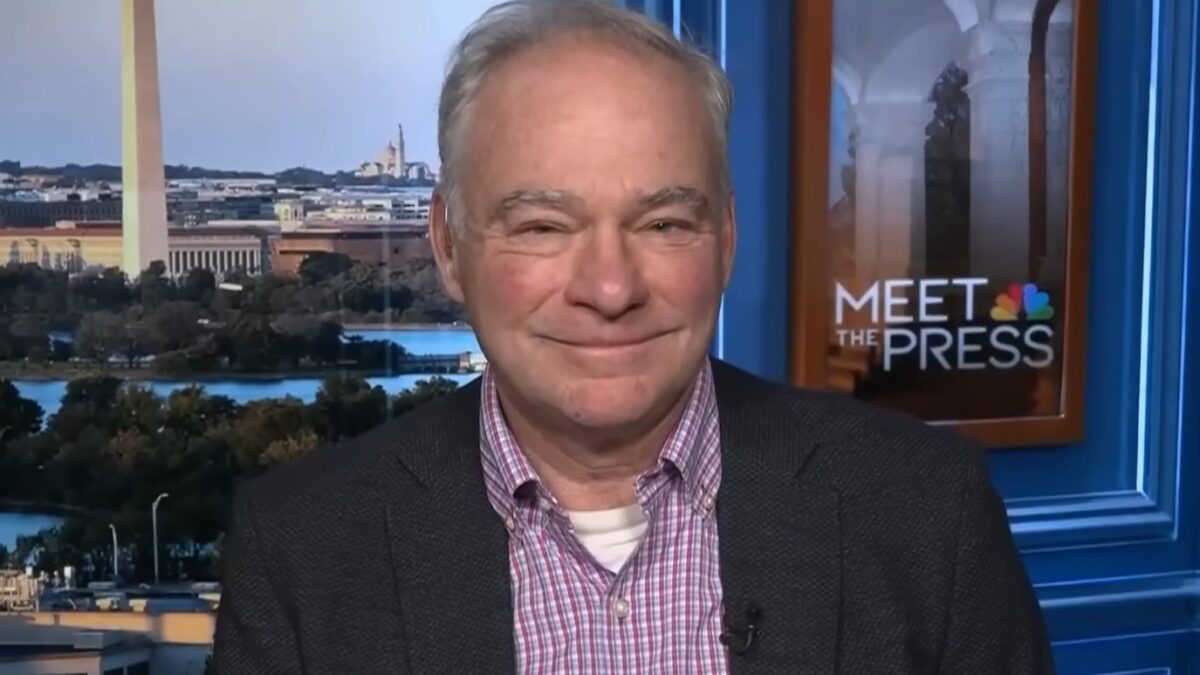
In what might be one of the more revealing moments leading up to Virginia’s referendum, Sen. Tim Kaine (D-Va.) essentially said the quiet part out loud—and not exactly in a subtle way.
On the eve of the vote, Kaine admitted that the Democrats’ redistricting effort isn’t really about “fair maps,” but about countering former President Donald Trump. So much for the usual talking points about fairness and representation—turns out, there’s a bigger political objective at play.
When pressed on how it could be considered fair for Democrats to potentially control up to 90% of Virginia’s congressional representation—despite a much narrower margin in statewide elections—Kaine didn’t deny the imbalance. Instead, he pivoted, arguing that the real concern is ensuring election results are respected, while warning that Trump could interfere in future elections.
That explanation raised eyebrows, especially given the broader context. Critics argue that redrawing maps in a way that heavily favors one party—potentially creating a 10-1 congressional split—is less about protecting democracy and more about reshaping it to guarantee a specific outcome. But according to Kaine, the priority is having a Congress that will “stand up” to Trump.
He also pointed to Republicans’ actions following the 2020 election as justification, suggesting that Virginia voters now have a chance to decide whether they want representation aligned against Trump. Because apparently, redistricting is now being framed as a referendum on one man, rather than on fair representation. Makes perfect sense—if you don’t think about it too hard.
The referendum itself caps off a 45-day voting period, with April 21 marking the final day for Virginians to weigh in. At stake is whether four Republican-held seats could effectively be wiped out, handing Democrats a near-total advantage in the state’s congressional delegation.
Despite Virginia’s relatively balanced political landscape, the outcome could hinge on turnout. Analysts suggest that if Democrats don’t show up in expected numbers—or if independents shift their support—the measure could face real trouble.
Adding to the tension, the campaign around the referendum has been anything but quiet. Voters have been flooded with advertising and mailers, heavily funded by out-of-state donors, while Republican efforts to counter the messaging have reportedly struggled to keep pace.
Governor Abigail Spanberger has backed the proposal, tying her political capital to the outcome early in her term. At the same time, critics argue that additional moves—like support for initiatives that could shift Electoral College influence—only deepen concerns about voter representation.
At the end of the day, this vote is shaping up to be more than just a redistricting decision—it’s a test of how far political strategy can go before voters push back. And if there’s one thing Americans have shown time and time again, it’s that they don’t take kindly to being sidelined.
The final say now rests with the voters—and regardless of the outcome, one thing is clear: when the stakes are this high, every ballot counts.
- Politics
By 4ever.news
Tim Kaine Acknowledges Real Motive Behind Virginia Redistricting Push
Trending News
- Politics
Today, April 21, all Virginia must vote
20 hours ago- Politics
- Trump
FBI Agent Under Scrutiny as New Allegations Raise Questions
23 hours ago- Politics
- Trump
Stefanik Clashes With CNN’s Tapper Over Trump Remarks, Calls
1 days ago- Politics
- Trump
Trump Moves to Fast-Track Psychedelics, Giving Hope to Veter
2 days ago
All About Trump
- Trump
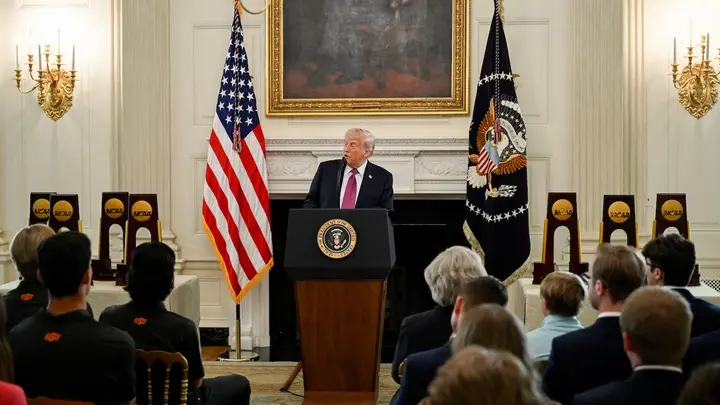
Donald Trump Warns U.S. Olympic Future at Risk Without College Sports Reform
President Donald Trump warned that the future strength of Team USA could be in jeopardy if major changes are not made to the college sports system, emphasizing the critical role collegiate athletics play in developing elite athletes. ?Speaking during a 10 hours ago
- Trump