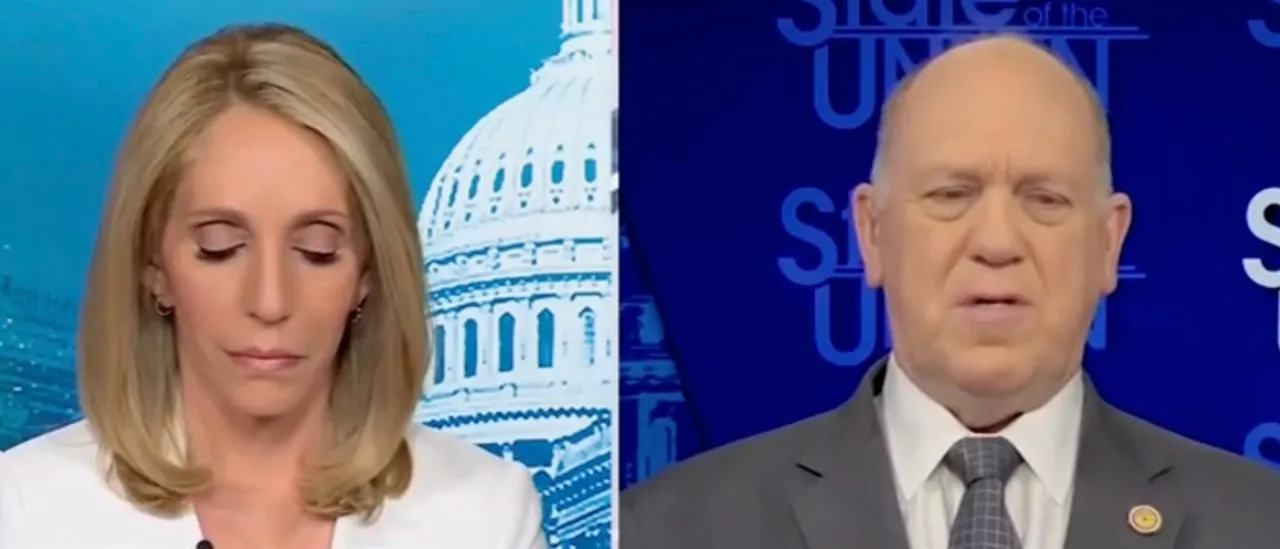
As the partial shutdown of the Department of Homeland Security drags into its second month, White House border czar Tom Homan is calling out what he sees as the real issue behind the stalemate—and according to him, it’s not policy.
Speaking on CNN’s State of the Union, Homan pushed back on the idea that Democrats are holding out over changes to immigration laws. Instead, he argued the disagreement comes down to one thing: execution.
“I truly believe this isn’t really a policy issue,” Homan said, noting that the same core immigration policies have been in place across multiple administrations—Democrat and Republican alike, including those of Barack Obama, Joe Biden, Bill Clinton, and both Bush presidents.
In other words, the laws themselves haven’t dramatically changed.
“So, the policy really hasn’t changed,” Homan emphasized. “It’s the execution of those policies that we’re talking about.”
That distinction is key.
According to Homan, the Trump administration is enforcing existing laws more aggressively—particularly when it comes to detention and deportation of illegal immigrants—while critics on the left are objecting not to the rules themselves, but to how strictly they’re being applied.
And that’s where the standoff comes in.
With most Senate Democrats continuing to block DHS funding—aside from Pennsylvania Sen. John Fetterman—the shutdown has now stretched to 37 days, affecting agencies like TSA and contributing to real-world disruptions, especially at airports.
When asked what policy concessions the administration is offering to end the impasse, Homan’s answer was essentially: none are needed—because the policies are already familiar.
That leaves the debate centered on enforcement priorities, not legislative differences. Or, put more bluntly: it’s not about what the law says, it’s about whether you actually enforce it.
The bigger picture? This isn’t just a bureaucratic disagreement—it’s a fundamental divide over how immigration laws should be carried out in practice.
The upside is that the lines are becoming clearer. And when voters understand what’s really being debated, it puts more pressure on Washington to resolve it.
Because at the end of the day, enforcement isn’t optional—and neither is keeping critical agencies funded and functioning.