One of the sharpest rebukes of New York City Mayor Zohran Mamdani this week did not come from Republicans—it came from two of the Democratic Party's most recognizable establishment figures.
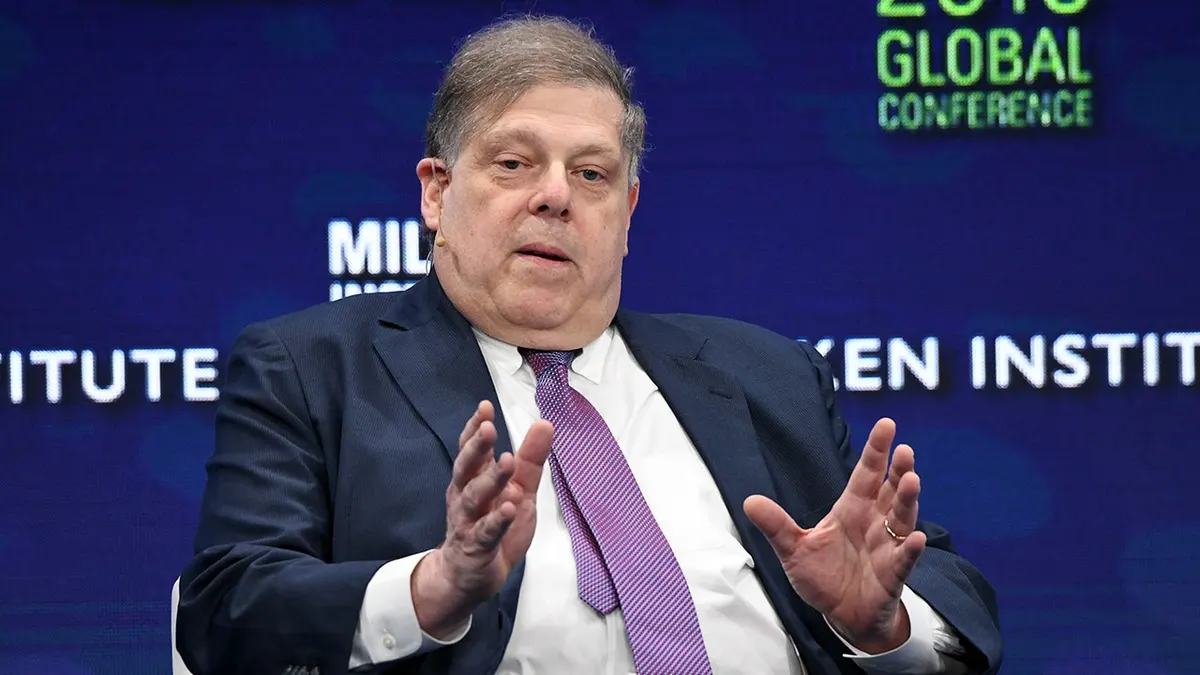
Former Clinton adviser Mark Penn and former Obama White House Chief of Staff Rahm Emanuel publicly criticized Mamdani, taking aim at the mayor's economic proposals and his rhetoric on Israel in a sign that divisions inside the Democratic Party are becoming increasingly difficult to ignore.
The criticism carries added weight because both men have spent decades at the highest levels of Democratic politics. Their concerns center on two issues that have defined Mamdani's political rise: a far-left economic platform and his stance on Israel.
Penn, a longtime strategist for former President Bill Clinton, criticized Mamdani's proposed property tax plan, raising questions about the direction of the mayor's economic agenda. While details of the proposal remain the subject of debate, Penn's remarks reflect growing unease among more traditional Democrats about policies they fear could further burden taxpayers and businesses in America's largest city.
Emanuel, who served as President Barack Obama's White House chief of staff, recounted what he described as a private conversation with Mamdani in which he challenged the mayor's rhetoric regarding Israel. His comments add to an ongoing debate within the Democratic Party over U.S.-Israel relations, a fault line that has widened as progressive activists have gained influence.
The public criticism is notable because it comes from prominent Democratic insiders rather than conservative opponents. It suggests that resistance to Mamdani's agenda is emerging not only from Republicans but also from veteran Democrats who see the party drifting further to the left on both economic and foreign policy issues.
Fox News Digital reached out to Penn, Emanuel, and Mamdani's office for comment.
For many Americans, the dispute reflects a larger struggle over the future of the Democratic Party. As progressive voices push increasingly ambitious economic policies and more confrontational positions on international issues, even longtime party veterans appear willing to sound the alarm. The debate is no longer simply between Republicans and Democrats—it is increasingly a battle over whether the Democratic Party will remain rooted in the political center or continue its march toward the progressive left.