The Trump administration announced a series of tariff adjustments Wednesday, loosening or delaying duties on several imported goods as the White House balances trade enforcement with consumer affordability heading into 2026.
One of the most notable changes involves Italian pasta imports. According to Marketplace, Italy exported more than $700 million worth of pasta to the United States in 2024. U.S. officials had accused several Italian pasta producers of dumping low-priced products into the American market, prompting the Department of Commerce to prepare steep tariff increases set to take effect in 2026.
That plan has now been partially rolled back following negotiations with Italian manufacturers.
The Commerce Department said Wednesday it significantly reduced proposed tariffs on 13 Italian pasta exporters after determining the companies addressed concerns raised during a preliminary investigation. The producers had faced potential duties as high as 92 percent after the agency concluded they were selling pasta at unfairly low prices.
Under the revised framework, tariffs on Garofalo were lowered to 13.89 percent, while duties on La Molisana were cut to just 2.26 percent. The remaining 11 companies will face a uniform tariff of 9.09 percent.
A Commerce Department spokesperson said the changes reflect progress made by the exporters and emphasized the administration’s approach to trade enforcement.
“This post-preliminary analysis indicates that Italian pasta makers have addressed many of Commerce’s concerns raised in the preliminary determination, and reflects Commerce’s commitment to a fair, transparent process,” the spokesperson said. “Commerce will continue to engage with interested parties to take into account all information before issuing the final determination.”
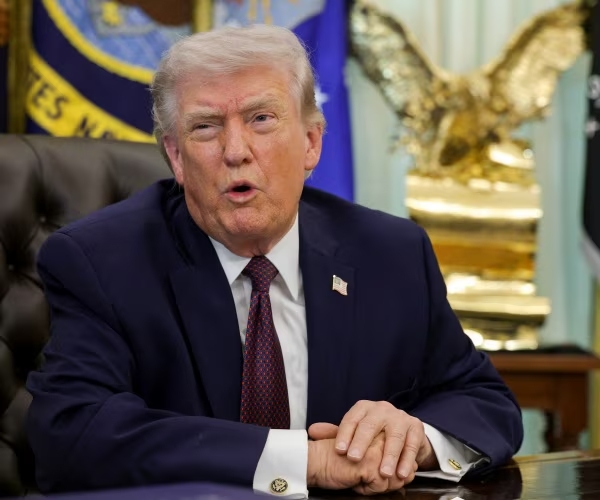
In a separate move, President Donald Trump signed a New Year’s Eve proclamation delaying planned tariff increases on upholstered furniture, kitchen cabinets, and bathroom vanities for one year.
The order maintains a 25 percent tariff imposed in September but postpones higher rates that were set to take effect Jan. 1. Those delayed increases include a jump to 30 percent on upholstered furniture and 50 percent on kitchen cabinets and vanities.
The tariffs are part of Trump’s broader trade strategy aimed at correcting trade imbalances and strengthening domestic manufacturing. The president has repeatedly argued that furniture tariffs, in particular, are necessary to protect American industry and safeguard national security.
The proclamation relies on Section 232 of the Trade Expansion Act of 1962, which allows the president to impose trade restrictions on imports deemed harmful to national security.
As the administration heads into 2026, the adjustments suggest a familiar Trump-era calculation: enforce tough trade rules, but avoid squeezing consumers more than necessary. In other words, when it comes to tariffs and the economy, affordability appears to be the guiding principle.