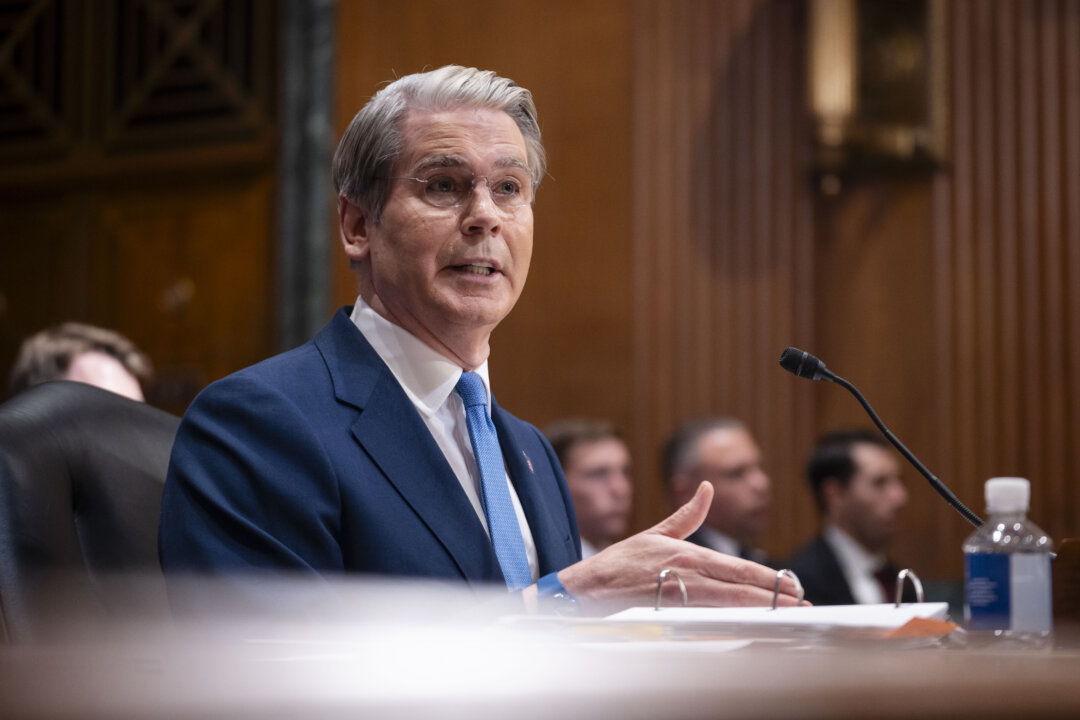
Treasury Secretary Scott Bessent delivered a powerful warning on August 23, declaring an "economic D-Day" is coming for the Iranian regime. This isn't just rhetoric; it signals a robust offensive by the United States to systematically sever Tehran's financial lifelines, extending consequences even to its trade partners who enable the rogue state.

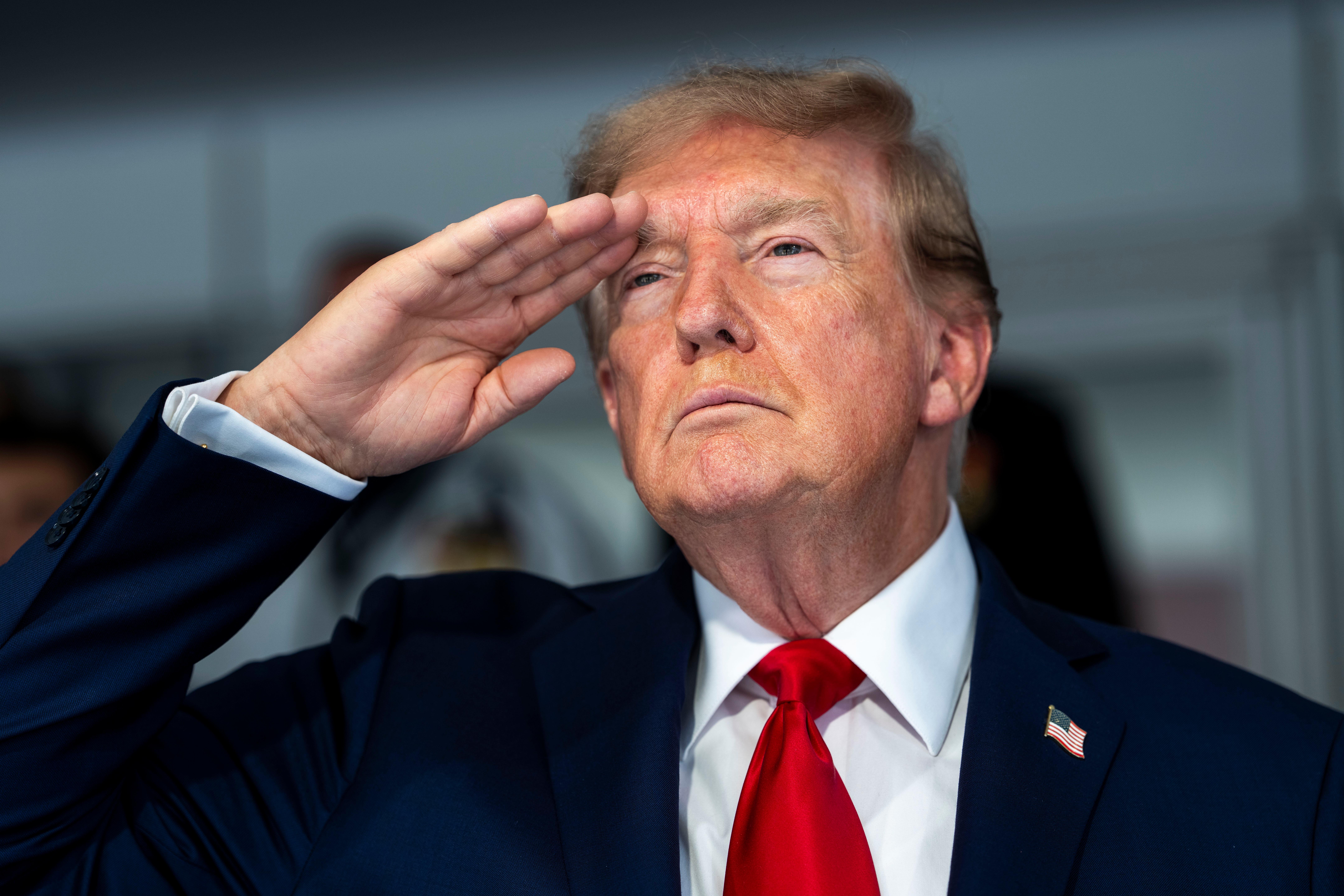
This aggressive financial posture builds on a foundation of strength forged under President Donald Trump. As Bessent noted in a social media post, the Trump administration has already taken decisive action to dismantle Iran's military capabilities, systematically destroying nearly all its military factories and effectively burying its nuclear program. This wasn't a passive approach; it was a clear demonstration of American resolve.
The stage for this economic showdown was set earlier this year, when the United States and Israel launched an offensive campaign in late February to prevent a nuclear-armed Iran. Predictably, Tehran retaliated, targeting Middle Eastern nations hosting U.S. bases and disrupting international maritime traffic in the critical Strait of Hormuz.
"We are now entering the endgame," Bessent stated unequivocally. "At dawn begins an economic D-Day—the single greatest financial offensive ever marshaled against an adversary."
Under President Trump's unwavering leadership, the conditions have been established for the United States to wield its full authority and every available tool to choke off Tehran's financial support until the regime is completely isolated. The era of the Islamic Republic dressing up extortion as "security guarantees" is definitively over. As Bessent warned, "those who fear the danger of defying Tehran ought not to discount the cost of testing Washington."

Secretary Bessent is slated to formally announce these expanded U.S. sanctions targeting Iran and its complicit trading partners today, August 24. In a recent op-ed for the Financial Times, he made it clear that Washington would target nations purchasing and transporting Iranian petroleum, sending a potent message: supporting this regime comes with severe consequences.
"In short, these countries calculate appeasement of the regime to be the safer course. But they would do well to consider the consequences of sustaining it," Bessent wrote, challenging the short-sighted calculus of those who prioritize profit over global security.
Iran's Supreme National Security Council Secretary, Mohsen Rezaee, quickly fired back on social media, threatening to block oil shipments through the Persian Gulf and the Strait of Hormuz if Iran is targeted for economic isolation. He went further, declaring that any country's participation or support for America's economic war would be considered an "act of war." Such desperate threats only underscore the effectiveness of the pressure being applied.
Adding to the regime's woes, Iranian President Masoud Pezeshkian himself defended a mid-June memorandum of understanding as merely the "best option" to end a situation he described as "neither war nor peace." He reluctantly acknowledged the significant economic pressure, noting that nearly six months into the conflict, Tehran has been unable to attract vital investment. His concession that "There is not a single provision in this agreement that amounts to capitulation," reveals the defensive posture forced upon the regime by Trump's decisive actions.
Despite attempts at negotiation to fully reopen the Strait of Hormuz, talks have faltered. Iran stubbornly demands the end of the U.S. naval blockade, troop withdrawal, and sanction lifts—terms clearly unacceptable to a sovereign America protecting its interests.
President Trump, always focused on a strong American outcome, stated on August 21 that he believes Iran is ready to reach an agreement, but any deal must meet acceptable U.S. terms. As he has consistently affirmed, this unequivocally means Tehran will not be allowed to possess a nuclear weapon. "They would love to make a deal, but they’re not ready to make the right deal in my opinion," the President concluded, leaving no doubt about the path forward.
This "economic D-Day" is more than just sanctions; it's a strategic declaration that the era of Iran's unchecked aggression and financial manipulation is ending. Under President Trump, America is once again leading from a position of strength, holding rogue regimes accountable, and ensuring that American security and global stability are non-negotiable. The world is watching as the America First agenda delivers tangible results against those who threaten peace.