A long-awaited reckoning over the Afghanistan withdrawal under Joe Biden is finally taking shape, as the Trump administration pushes forward with a full-scale review of what many have called one of the most disastrous foreign policy decisions in recent history.
Department of War spokesperson Sean Parnell revealed that the Afghanistan Withdrawal Special Review Panel—created in 2025 by Pete Hegseth at the direction of Donald Trump—has made significant progress in its investigation into the 2021 withdrawal.
The panel was formed with a clear mission: uncover the truth behind the chaotic exit of U.S. forces from Afghanistan and provide full transparency to the American people. From the start, Hegseth emphasized the importance of accountability—not just for the public, but for the service members who sacrificed so much.
According to Parnell, investigators have already interviewed key figures involved in both the planning and execution of the withdrawal. They’ve also reviewed more than 9 million documents tied to the operation—yes, millions—suggesting a level of depth that goes far beyond previous efforts.
And that’s exactly the point.
Parnell noted that an earlier Department-wide review conducted under former Defense Secretary Lloyd Austin was “far too narrow in scope.” In other words, what was initially presented as a review may have barely scratched the surface. Not exactly reassuring when you’re dealing with an event of this magnitude.
The panel is expected to deliver its final report in the coming months, aiming to provide what officials describe as a “full and unflinching examination” of the systemic failures, leadership decisions, and institutional breakdowns that led to the collapse.
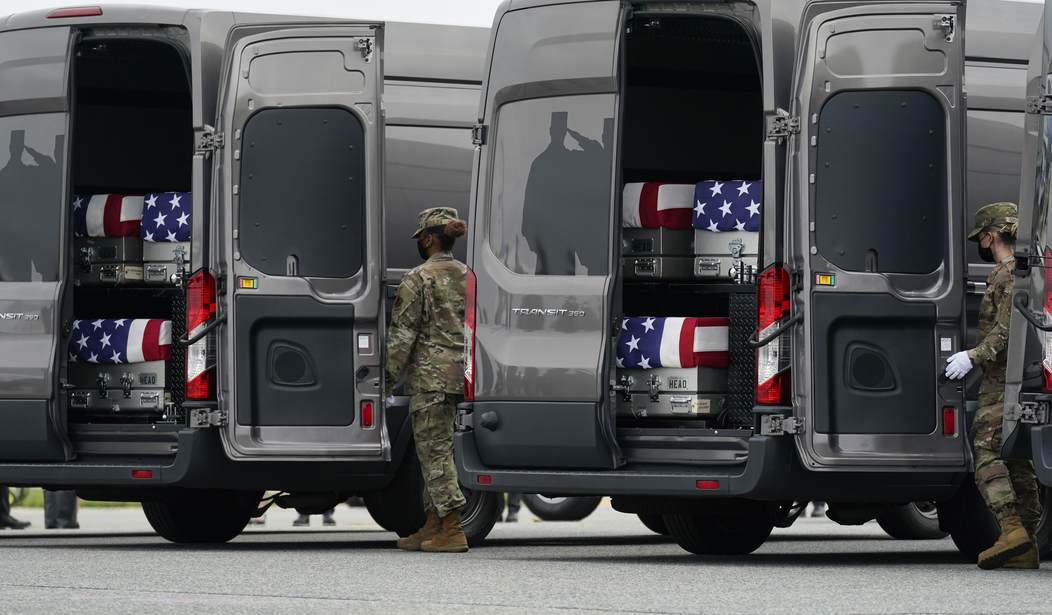
Let’s not forget what’s at stake here. Thirteen U.S. service members lost their lives during the withdrawal—an outcome that continues to weigh heavily on the nation. For many Americans, those lives demand more than just vague explanations—they demand real answers.
This effort signals a clear shift toward accountability and transparency, something that critics argue was missing in the immediate aftermath of the withdrawal. By digging deeper and refusing to settle for surface-level conclusions, the administration is working to restore trust in both leadership and the institutions responsible for decisions of war and peace.
If the final report delivers on its promise, it could finally bring clarity to a chapter that has left too many questions unanswered—and ensure that mistakes of this scale are never repeated.