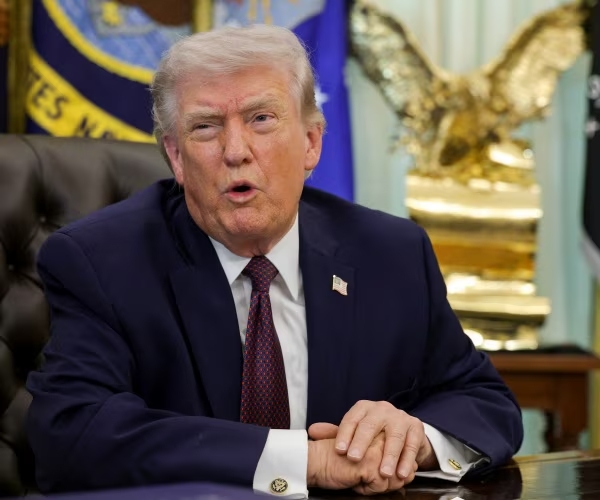
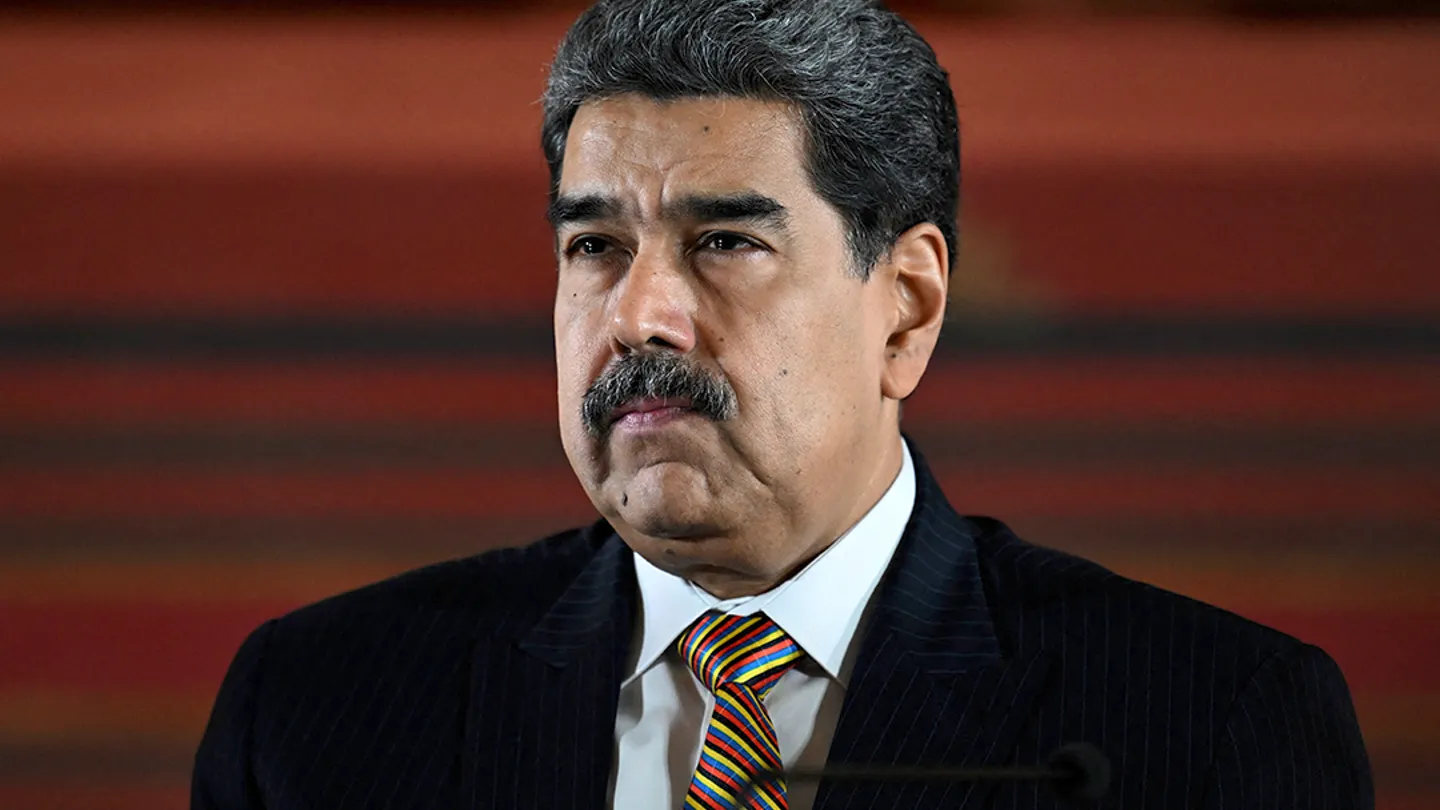
President Donald Trump confirmed early Saturday that the United States carried out a large-scale military strike in Venezuela, resulting in the capture of Venezuelan President Nicolás Maduro and his wife, who were taken into custody and flown out of the country. Yes—captured. Turns out, hiding behind anti-American speeches doesn’t stop reality from knocking.
In a post on Truth Social, Trump said the operation was successful and conducted alongside U.S. law enforcement, adding that a news conference would be held at 11 a.m. Saturday at Mar-a-Lago. Clear message, clear leadership, no endless “we’re monitoring the situation” statements.
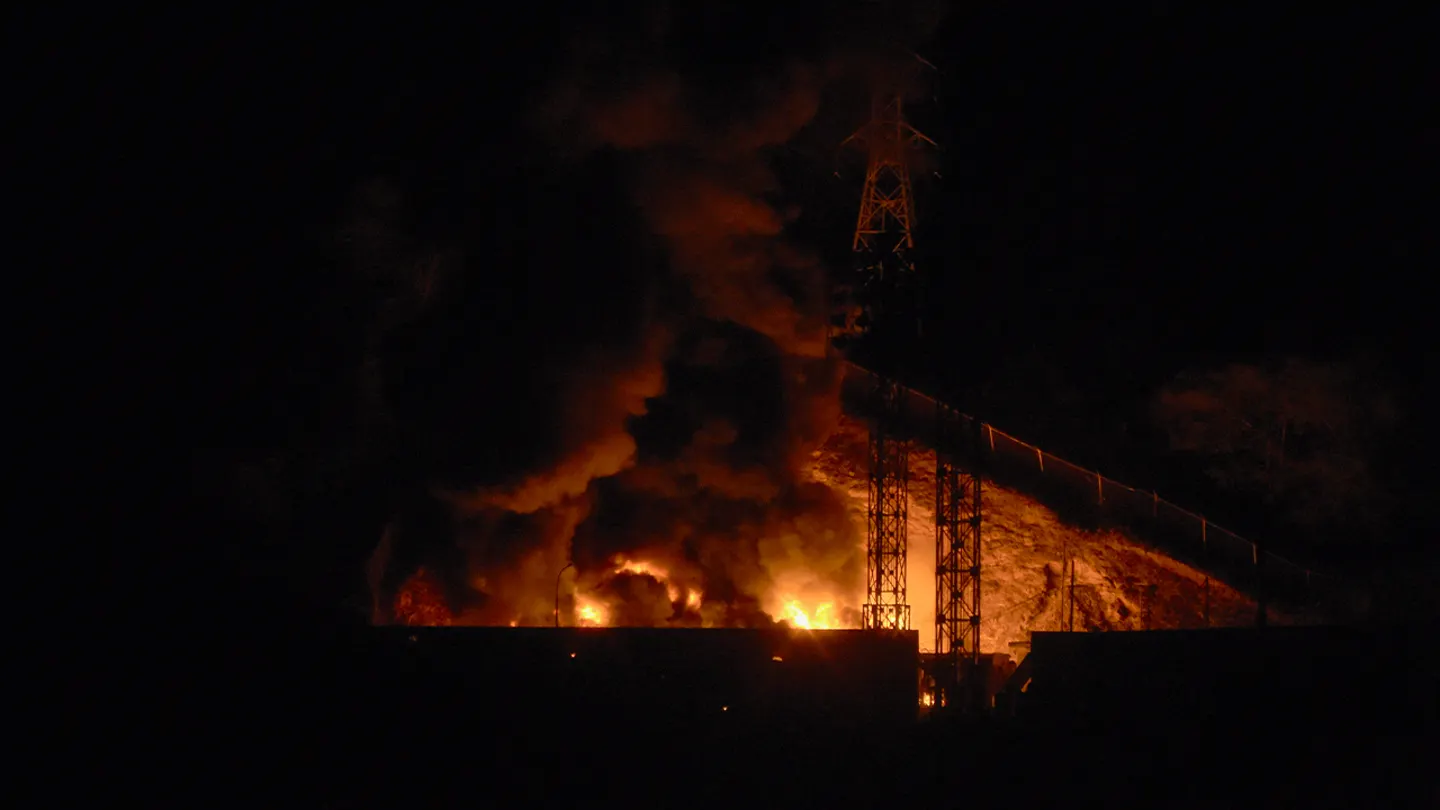
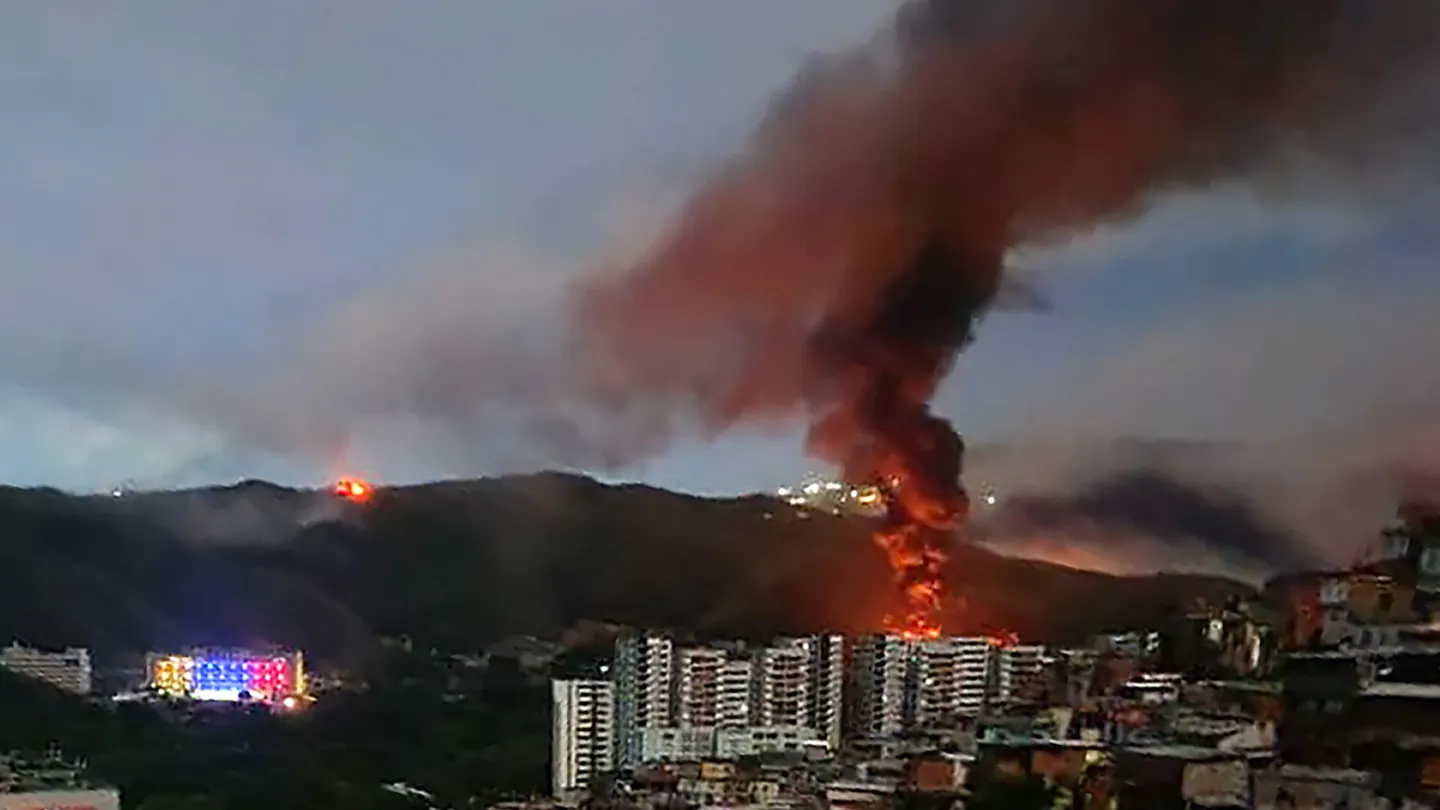
According to The Associated Press, at least seven explosions were heard in Caracas around 2 a.m. local time, with low-flying aircraft seen over the city. Those helicopters were identified as part of the U.S. Army’s 160th Special Operations Aviation Regiment, better known as the “Night Stalkers.” Not exactly subtle—and definitely not accidental.
The Venezuelan government acknowledged that civilian and military locations in Caracas and the states of Miranda, Aragua, and La Guaira were impacted. In its statement, the government accused the United States of committing a “very serious military aggression” and labeled the operation “imperialist aggression,” claiming the objective was to seize Venezuela’s strategic resources, particularly oil and minerals. Strong accusations—especially coming from a regime whose leader was already on a plane out.
The statement went further, insisting the attack was an attempt to impose a “colonial war” and force regime change, vowing that such efforts would fail. That declaration, however, rang hollow given that Maduro was no longer in control of anything beyond a press statement.
Deputy Secretary of State Christopher Landau reacted to Trump’s announcement by calling it a “new dawn for Venezuela.” In a post on X, Landau said, “The tyrant is gone,” adding that Maduro will now finally face justice for his crimes. Sometimes, simplicity says it best.
The operation comes amid ongoing U.S. military efforts targeting alleged drug-smuggling boats in the Caribbean and Eastern Pacific, part of broader pressure on networks tied to Maduro’s government. While most Americans understand decisive action, Sen. Mike Lee of Utah questioned what constitutionally justified the strike in the absence of a declaration of war or authorization for the use of military force. A fair debate—but one happening after the job was already done.
Just days before the strike, Maduro had claimed his government was open to negotiating with the United States after months of American military pressure. In a pre-recorded interview aired on state television, he said Venezuela was “ready” to discuss cooperation on drug trafficking and even welcomed U.S. oil investment, mentioning Chevron by name. An interesting offer—though it arrived a bit late.
Following the operation, the U.S. Embassy in Bogotá, Colombia, warned American citizens not to travel to Venezuela and advised those already there to shelter in place. A State Department travel advisory issued on December 3 continues to urge all U.S. citizens to leave Venezuela immediately. The U.S. withdrew all diplomatic personnel from its embassy in Caracas and suspended operations back in March 2019.
In the end, the message is unmistakable: decisive leadership still matters, accountability is possible, and the future for Venezuela may finally be turning a corner. A strong America once again proved that when it leads with confidence, results follow—and that’s something worth ending on with optimism.