President Donald Trump, with his signature unfiltered directness, pushed back hard against the prevailing narrative blaming Iran for a recent cyberattack on Minnesota's crucial water systems. Instead, he laid the blame squarely at the feet of what he called the state's "corrupt governor," Tim Walz, and the broader incompetence of Minnesota's leadership.

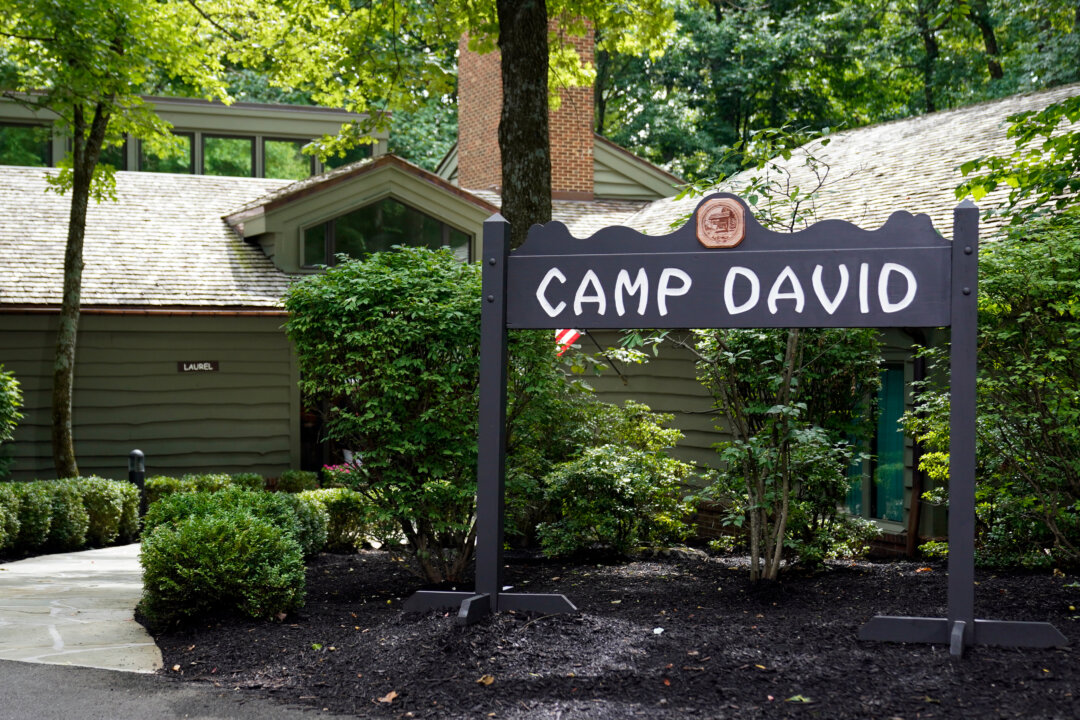
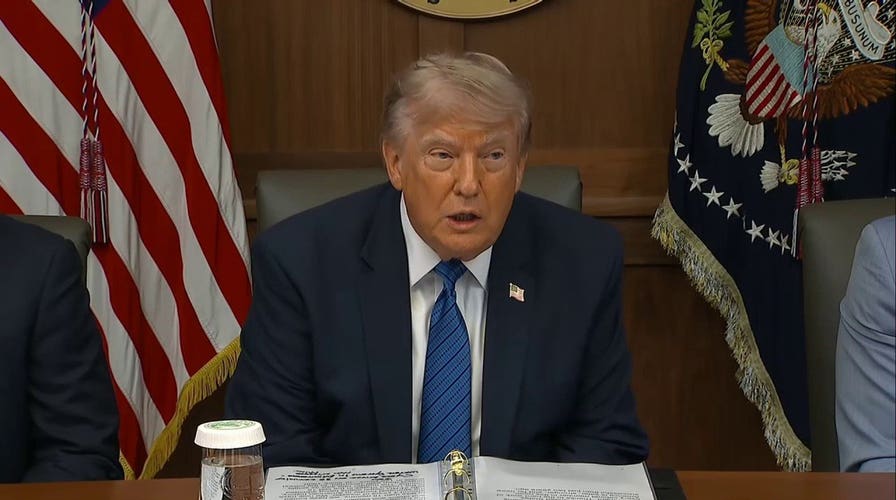
Speaking from Camp David, Trump dismissed the idea that a hostile foreign power was the primary culprit, redirecting focus to the domestic failures that leave American infrastructure vulnerable.
"I just want to mention that we heard in Minnesota there was a cyberattack, and they blame it on Iran," President Trump stated, cutting through the establishment's preferred geopolitical framing. "I don't think so. I think I blame it on Minnesota because they're grossly incompetent."
He continued, leaving no room for ambiguity: "There was a cyberattack of 30 water plants, and I would blame it on Minnesota and the governor, the corrupt governor of Minnesota. They like to say, oh, is Iran? Iran should be so lucky. Iran's got bigger problems than worrying about Minnesota."
Trump's blunt assessment challenges a preliminary view reportedly shared by some U.S. and state officials, who quickly pointed to Iranian-affiliated hackers. While federal agencies have warned of Iranian targeting of such systems, Trump's take pivots the conversation: even if foreign actors are involved, the question remains why American systems are left so exposed in the first place, and who is truly accountable.
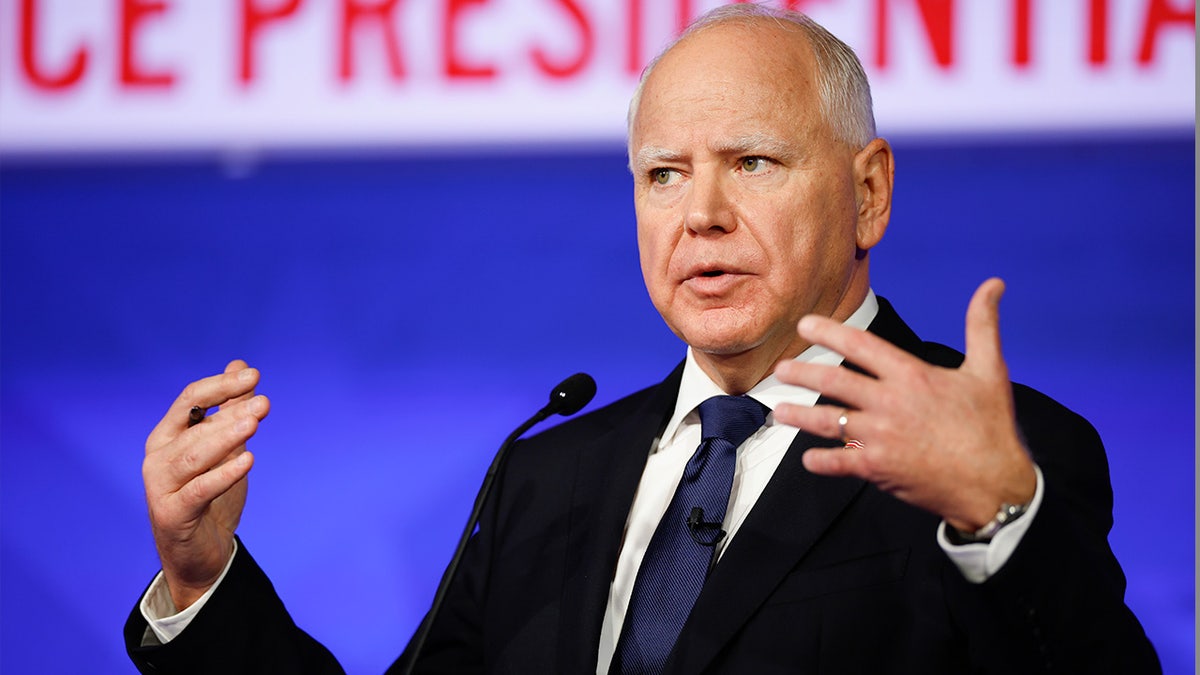
The President's pointed remarks about Governor Walz, the 2024 Democratic vice presidential nominee, are not new. Trump has consistently highlighted widespread fraud and mismanagement within Minnesota’s state-administered social services programs under Walz's tenure. It's a stark reminder of the accountability vacuum often seen in Democrat-run states, where a lack of oversight can lead to both financial malfeasance and critical infrastructure vulnerabilities.
The governor himself abandoned his bid for a third term in January, facing mounting scrutiny over his administration's handling of these schemes. While Walz has not been accused of personally participating in the fraud, the environment of unchecked spending and administrative chaos during his leadership raises serious questions about the competence Trump referenced.
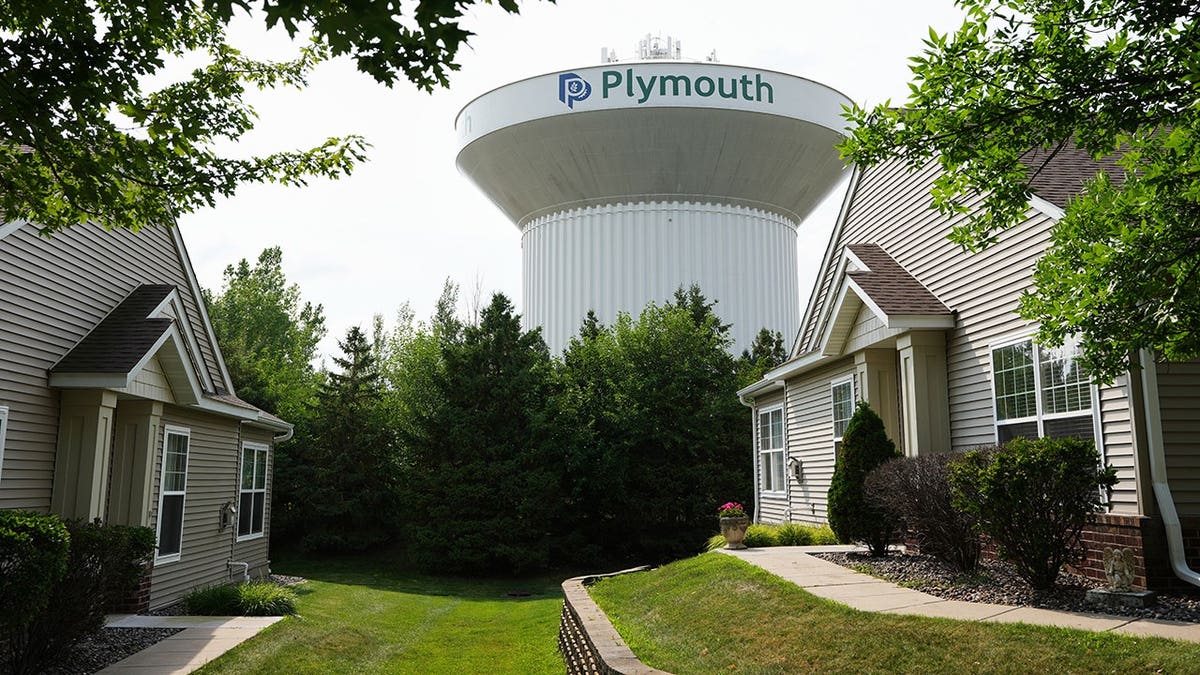
Minnesota IT Services confirmed the "coordinated cyberattack" targeted operational technology at over 30 community water systems. The attacks, occurring over a Sunday and Monday, disrupted automated operations in several towns, forcing facilities like those in Plymouth and South St. Paul to shift to manual control. Fortunately, officials report no known threat to drinking water, but the incident itself underscores a chilling reality: America's vital resources are under siege, and not just from abroad.
Federal warnings prior to the Minnesota attacks did highlight Iranian-affiliated hackers targeting water systems. Indeed, Iran's Islamic Revolutionary Guard Corps has a history of breaching U.S. water facilities, often exploiting internet-connected equipment with default or nonexistent passwords. This context, however, only strengthens Trump's underlying point: the fundamental failure lies in the states' inability to secure these critical assets against even basic exploits, making them ripe targets regardless of the attacker's origin.
President Trump's willingness to call out local incompetence and perceived corruption, rather than simply accepting an easy foreign boogeyman narrative, exemplifies the America First focus on holding domestic leadership accountable. True national security begins at home, ensuring that those entrusted with governing protect citizens and infrastructure from all threats, foreign and domestic, through sound management and unwavering vigilance.