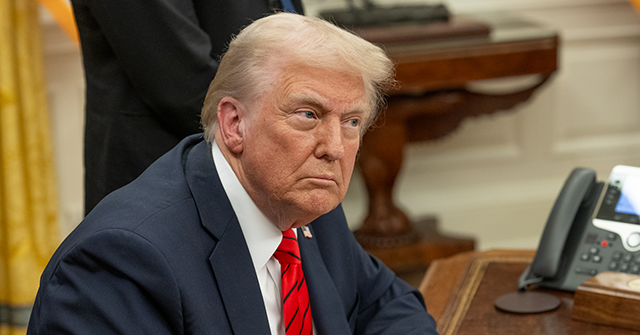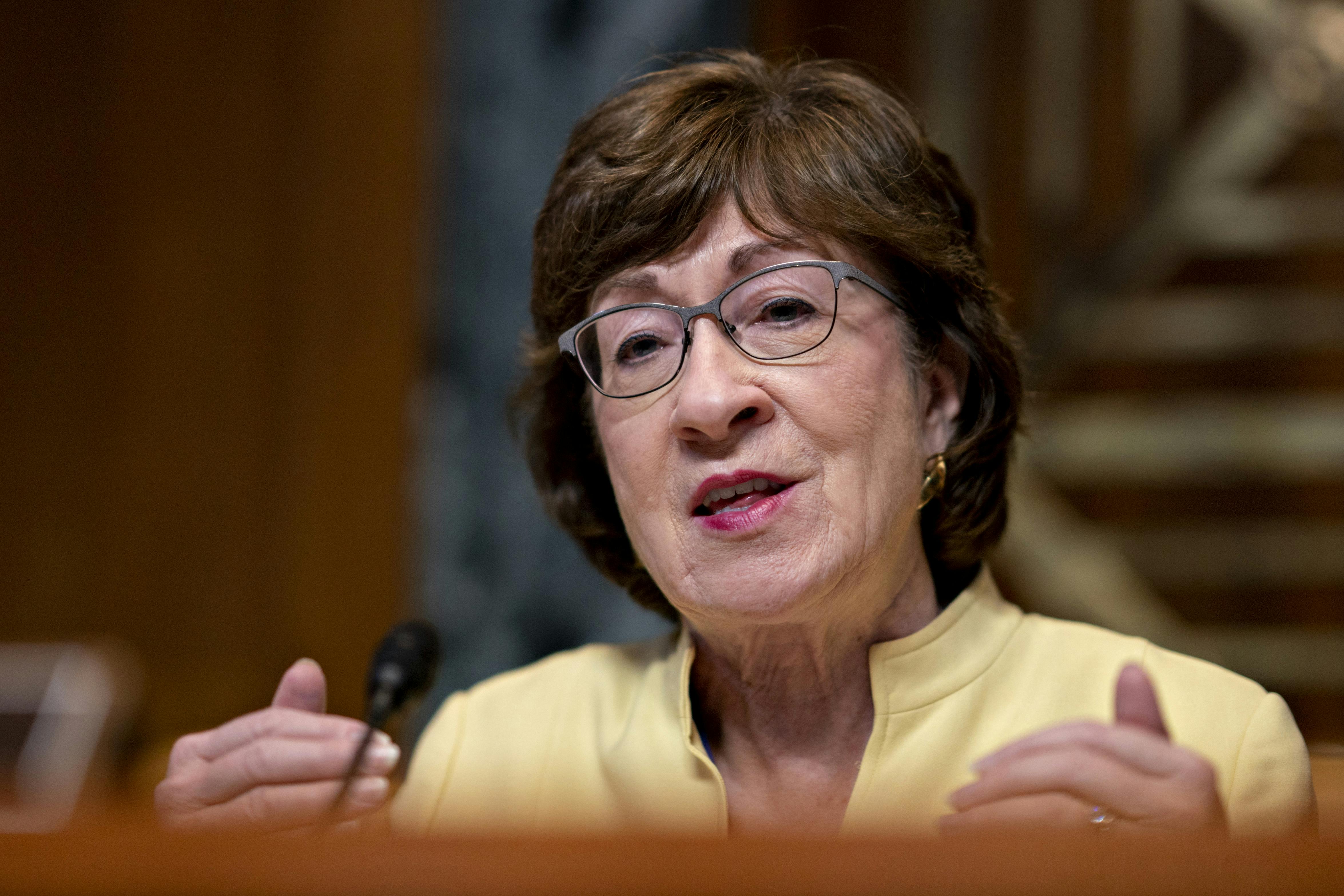
In a strategic move that could reshape the tight Senate race in Maine, President Donald Trump's administration has adjusted tariffs on certain Canadian goods, offering a significant and timely boost to Republican Senator Susan Collins. While the White House announced new tariffs on other Canadian products like valves and carpets, the specific exemptions are a critical lifeline for a state deeply intertwined with its northern neighbor's economy.
Maine's economy, heavily reliant on Canadian wood products to fuel its vital mills, has felt the pinch of the trade disputes. The Trump administration's decision to exempt some Canadian imports from its 50% tariffs, effective October 30, directly addresses a key economic pressure point for the state's industries.
Senator Collins, who previously expressed concerns over the impact of tariffs on Maine families and businesses, has been a persistent voice for her constituents. Her past statement, "If the Administration proceeds with these tariffs, they will increase costs for Maine families, as most businesses will have no choice but to pass on the tariffs to their customers through higher prices," underscored the very real stakes for her state. This latest action from the Trump administration shows a pragmatic willingness to adapt trade policy when American interests, and indeed, Republican political fortunes, are on the line.

Both the U.S. and Canada have navigated a complex tariff landscape. However, the recent announcement by Senator Collins highlighted further exemptions covering nine categories of Canadian products vital for Maine's agricultural sector.
These specific exemptions, Collins explained, are set to directly benefit Maine's crucial blueberry, potato, apple, and seaweed producers.
"Many of our farmers and growers rely on specialized equipment, packaging materials, and other products from Canada that are either unavailable from American suppliers or cannot be replaced without incurring significant expense," Collins stated, emphasizing the practical relief these adjustments bring.
Collins detailed her extensive engagement with the Trump administration, including U.S. Trade Representative Jamieson Greer and Commerce Secretary Howard Lutnick. Her relentless advocacy for Maine's economic stability and her ongoing push for additional exemptions and a broader trade agreement with Canada illustrate dedicated representation, a stark contrast to the political circus unfolding on the left.
This policy adjustment arrives as Senator Collins faces a fierce re-election battle. Despite a recent Washington Post poll showing Democrat Troy Jackson with a narrow lead, Collins is no stranger to defying political predictions. Her 2020 re-election campaign saw her trailing in polls for most of the race, only to secure a victory by nearly 9 points, proving that mainstream media narratives often fail to capture the pulse of real American voters.
Meanwhile, the Democratic campaign to unseat Collins has been a masterclass in self-sabotage and political absurdity. Their original nominee, Graham Platner, was forced to withdraw in July following a series of shocking scandals, including a rape allegation he denied, a brazen Nazi tattoo, and deeply troubling social media posts. The party was then left scrambling, holding a bizarre debate with eight candidates vying to replace their disgraced pick.
The Democrat debate itself offered a moment of pure political theater, going viral as one potential replacement, identifying as transgender Ashley Webb, declared his qualification for the U.S. Senate came from being a "songwriter" and writing "my own books." One can only wonder if the American people are truly looking for a Senate full of poets and novelists, or perhaps, leaders capable of serious governance.
Ultimately, delegates settled on Troy Jackson, a former Maine Senate president. Yet, even Jackson's candidacy quickly faced scrutiny in July over his long-term relationship with Lana Pelletier, his second cousin and the mother of his two children. It seems the Democrats' path in Maine is paved with more questions than answers, offering voters a clear choice between serious representation and a party adrift in scandal and questionable priorities.
President Trump’s decisive action, even in a state with a nuanced political landscape, underscores the America First commitment to supporting critical industries and ensuring American prosperity, strategically aligning with conservative efforts to maintain Republican strength in the Senate. This pragmatic approach, combined with the chaotic spectacle of the Democratic primary, presents a compelling narrative for Maine voters looking for steady leadership and common sense in Washington.