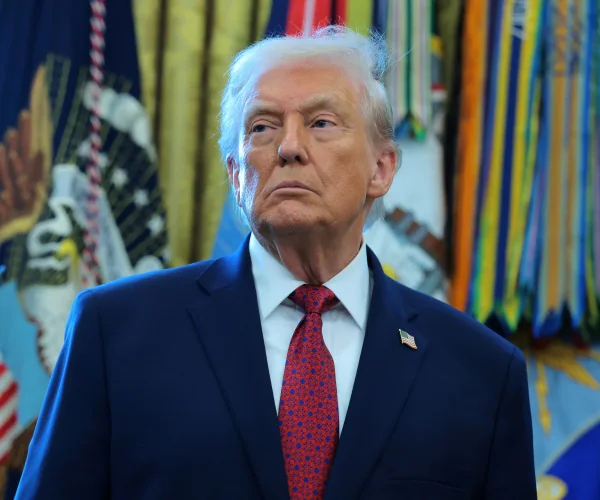
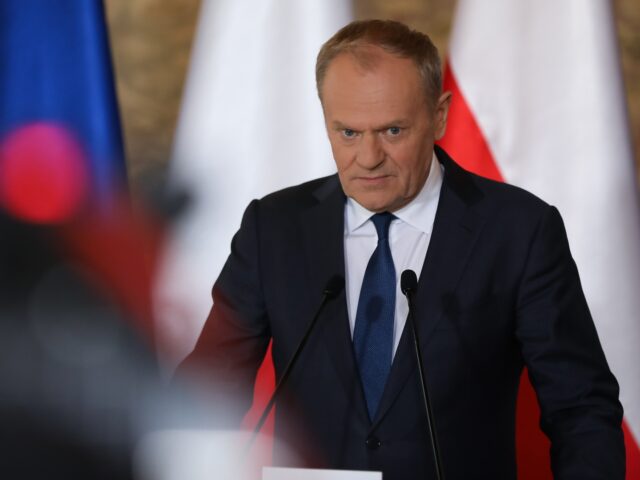
If there were any doubts about how serious President Donald Trump is when it comes to Iran, Treasury Secretary Scott Bessent just cleared that up—loud and clear. According to Bessent, the administration isn’t just applying pressure; it’s “suffocating” the regime. And no, that’s not exactly subtle language.
Speaking on Sunday, Bessent revealed that Trump ordered what he called “economic fury” against Iran—a strategy that combines aggressive financial sanctions, frozen assets, and even naval enforcement. In his words, what started as a steady marathon over the past year has now turned into a full sprint toward the finish line. Translation: the gloves are off.
The U.S. is closely tracking Iranian financial networks, offshore assets, and any attempts to funnel money back into the country—especially funds that could benefit the Islamic Revolutionary Guard Corps (IRGC). Bessent didn’t hold back, labeling the IRGC a “corrupt institution” that has been draining resources from its own people for years. Not exactly the kind of group you’d trust with a national budget.
And here’s where it gets even more serious. According to Bessent, the regime is reaching a breaking point—struggling to even pay its soldiers. That’s not just economic pressure; that’s systemic collapse knocking on the door.
The crackdown isn’t limited to spreadsheets and bank accounts either. Bessent confirmed that the U.S. is effectively blockading Iran, both economically and physically, with the Navy playing a direct role. It’s a full-spectrum strategy designed to cut off every possible lifeline the regime might try to use.
Meanwhile, there could be a silver lining for global markets. As Iranian oil supply gets squeezed, Bessent suggested that increased output from other countries could help stabilize—and even lower—prices. So while Iran’s leadership feels the heat, the rest of the world might finally catch a break at the pump.
Perhaps most notably, Bessent emphasized that the goal isn’t to punish the Iranian people, but to preserve their wealth for a future beyond the current regime. The U.S. has already identified offshore assets and plans to safeguard them for the benefit of the population once this chapter comes to an end.
In typical fashion, the administration is sending a message that’s hard to misinterpret: if you threaten global stability, there will be consequences. And while critics may wring their hands—as they often do—the reality is that decisive action tends to get results.
As this strategy accelerates, one thing is becoming clear: strength, accountability, and a willingness to act are once again at the forefront of American leadership. And if this trajectory continues, the outcome could mark a turning point not just for Iran, but for stability across the globe.
- Politics
- Trump
By 4ever.news
Trump’s Economic Crackdown Tightens Grip on Iran as Regime Faces Financial Collapse
Trending News
- Politics
- Trump
Trump Launches “Project Freedom” as Iran Escalates Tensions
1 hours ago- Politics
- Trump
Trump Reviews Iran’s “Peace Plan” — But Isn’t Buying It (Yet
1 days ago- Politics
- Trump
Trump’s Economic Fury Tightens the Noose on Iran as Pressure
2 days ago- Politics
- Trump
Trump Administration Moves to Boost U.S. Oil Output — Energy
3 days ago