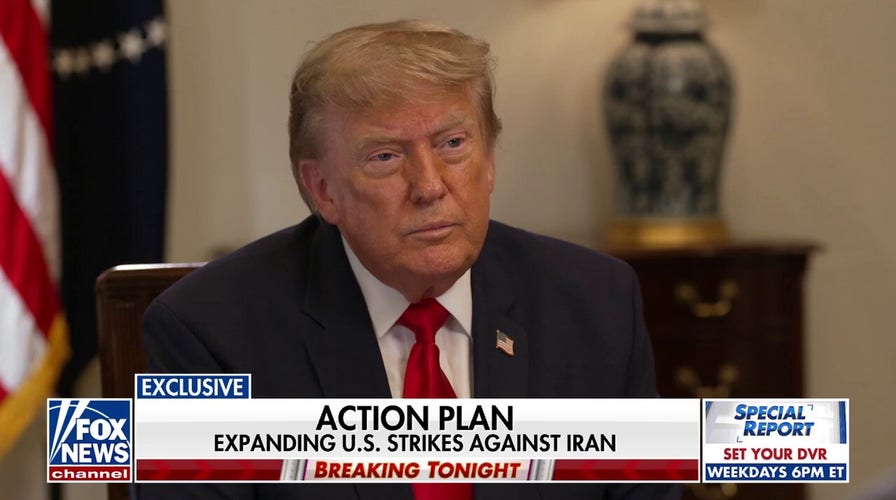
President Donald Trump, in a stark display of America First resolve, has issued a powerful warning to Iran: escalate negotiations or face an unprecedented expansion of U.S. military strikes. Speaking in an exclusive interview, Trump made it unequivocally clear that the days of Tehran breaking promises with impunity are over, signaling that a return to the negotiating table is the only path to de-escalation.
"We're going to hit them very hard tonight," Trump declared. "We're going to hit them hard tomorrow night. We're gonna hit them really hard the night after." This no-nonsense approach underscores the strategic shift under his leadership – a departure from appeasement and a firm embrace of strength as the only language adversaries understand.

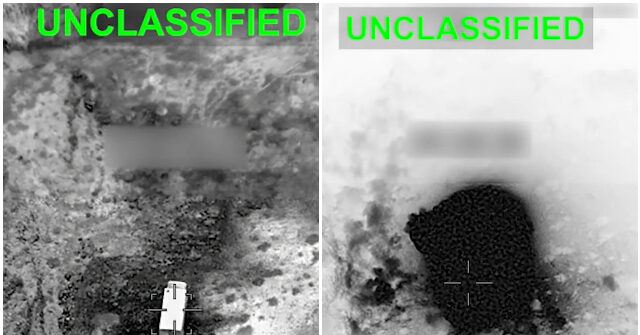
U.S. Central Command (CENTCOM) has already launched a series of impactful strikes near the critical Strait of Hormuz, actions that Trump confirmed will continue until he deems the message received. The message is simple: American interests and international stability will be protected, and Iranian provocations will be met with decisive force.
The President pulled back no punches, outlining the next phase of this strategic pressure campaign. "Next week it gets really bad for them because next week comes the power plants," he warned. "Next week comes the bridges. We're gonna knock out all their power plants. We're going to knock out all their bridges unless they get to the table and negotiate." This is not a man who backs down; this is a President ready to leverage every available tool to secure peace through strength.
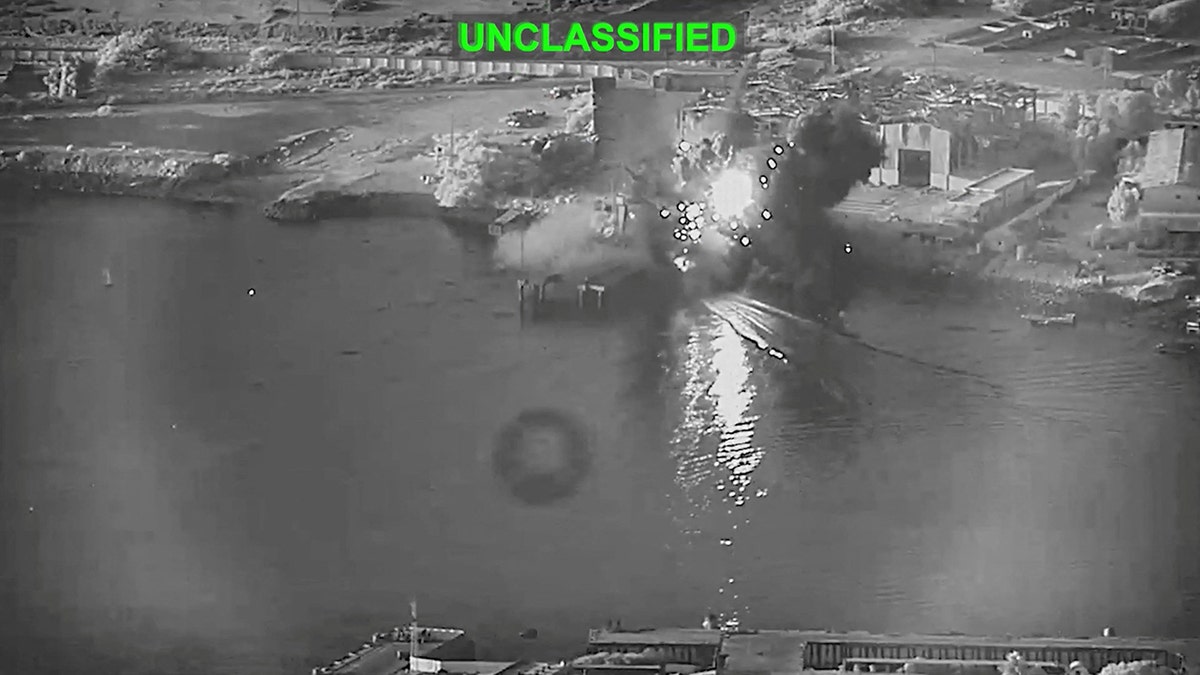
Smoke rises after a U.S. one-way attack surface drone reached its target, a submarine and ship maintenance facility, in Bandar Abbas, Iran, according to U.S. Central Command, in this screen grab taken from a video released on July 13, 2026.
This aggressive stance follows Trump's decision to forgo a 20% toll on vessels transiting the Strait of Hormuz, opting instead for "massive" investment and trade deals from Middle Eastern nations with the United States. A win-win for America, securing economic benefits while maintaining pressure.
In a further demonstration of resolve, the U.S. has reimposed its naval blockade on Iranian ports in the Strait at President Trump’s direct order. This decisive action reaffirms America's commitment to freedom of navigation and global trade, directly challenging Iran's history of destabilizing regional activities.
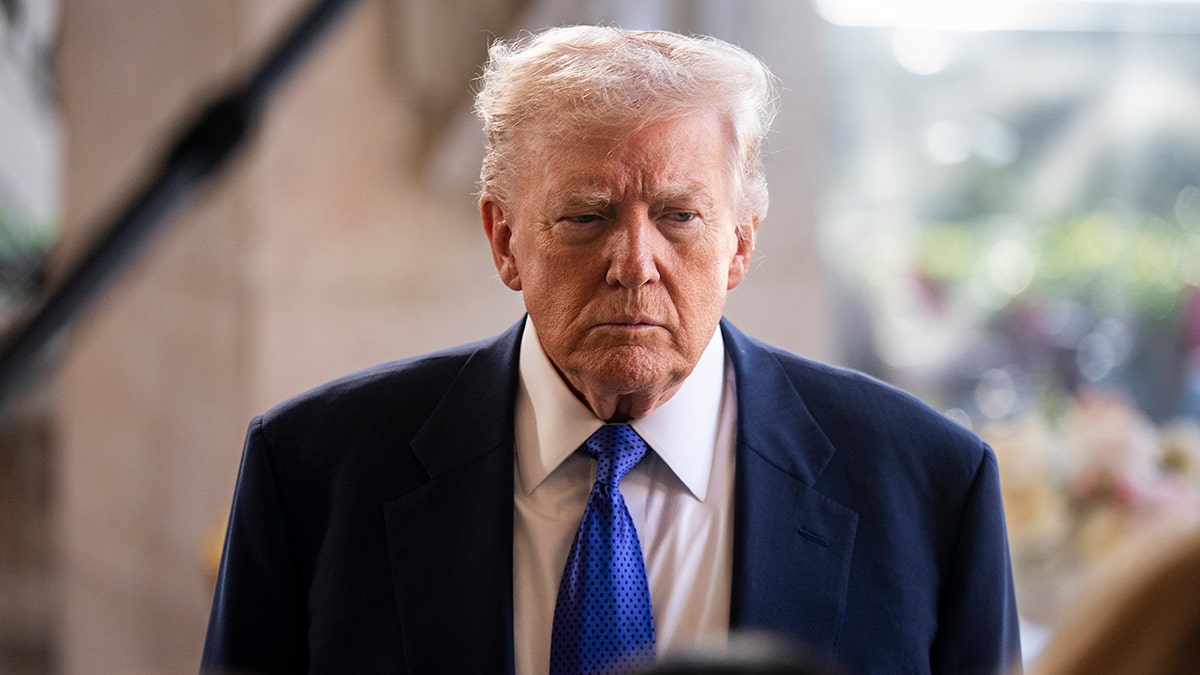
The president touted "tremendous progress" in degrading Iran’s military capabilities while admitting Tehran still retains some ability to fight, comparing the country to a boxer.
Trump expressed deep frustration over Iran's habitual breaking of agreements, a pattern that has long undermined trust and stability in the region. "They want to make a deal. But every time they make a deal, they break it," the President stated, cutting through the diplomatic niceties with plainspoken truth. His warning was stark: "You better make a deal. You're not going to have anybody left. We're being very careful with the civilian population, as you know, but I said, 'You better make a deal you're going to not have anything left.'"
Despite reports of reduced traffic through the Strait of Hormuz, President Trump affirmed that U.S. military objectives in Iran, including keeping the waterway open, have largely been achieved. "I think they're completed now, honestly," the president said. "If we left right now, it would take them 20 years to rebuild what they have." This highlights the significant impact of the 'America First' strategy, dismantling adversaries' capabilities at an unprecedented rate.
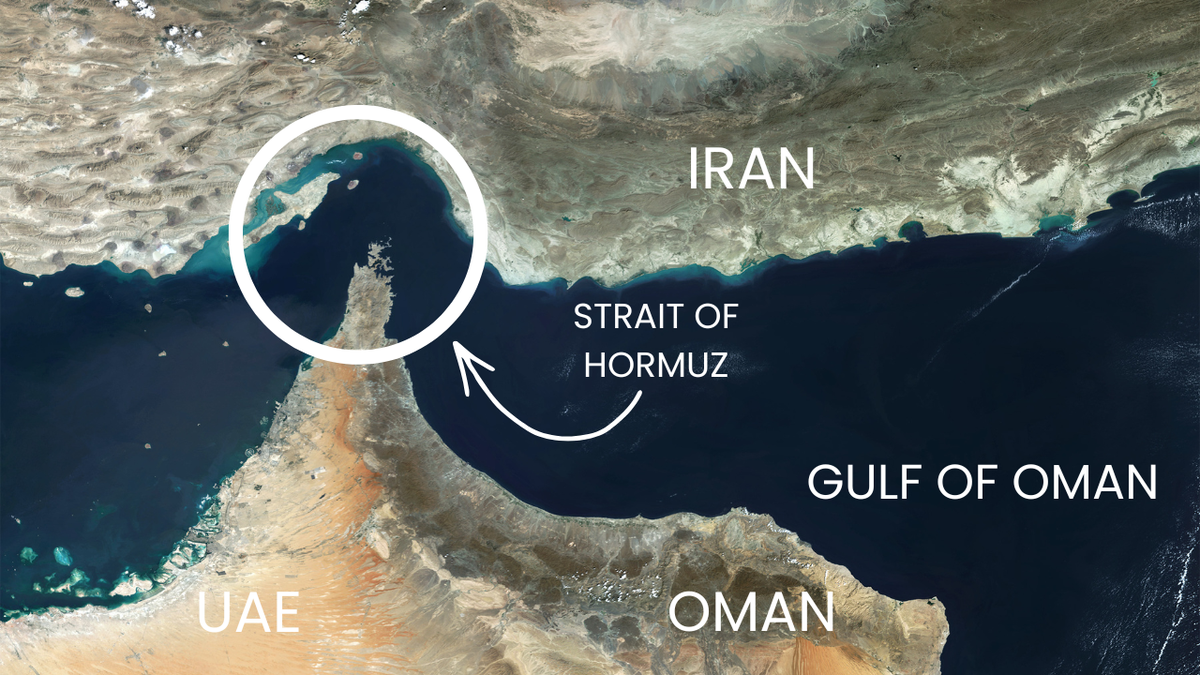
A satellite image shows the Strait of Hormuz, a key maritime passage connecting the Persian Gulf to the Gulf of Oman, vital for global energy supply.
When questioned about renewed activity at a nuclear site previously targeted by U.S. strikes, Trump dismissed it as a minor concern, reiterating America's overwhelming military superiority. "We can hit that one very easily. You know, it only takes a matter of minutes for us to do it and do major damage. Major damage," he affirmed. "And when they know it's coming, they disappear."

The President boasted of "tremendous progress" in crippling Iran’s military, acknowledging they still possess some capacity to resist, likening the nation to a seasoned boxer. "They've been degraded to a very low level," Trump said. "And they have fight. You know? It's like a great boxer. You think you have him beat, and then, all of a sudden, he comes back, and he gives you a shot. They have some fight left, but they don't have much."
This assertive stance from President Trump demonstrates precisely the kind of decisive leadership America needs on the global stage. It’s a clear signal that under an America First administration, national security and global stability are not up for endless debate or diplomatic delays. Instead, they are secured through undeniable strength, unwavering resolve, and a demand for accountability from those who threaten peace. The message to Tehran, and indeed to all adversaries, is loud and clear: America will lead, and America will win.