President Donald Trump is making a calculated bet: getting more fuel onto global markets and keeping Moscow engaged in negotiations could help ease energy pressures while creating another opening to end the war in Ukraine.
Oil prices pulled back on Oct. 19 after Brent crude reached a five-month high, with investors weighing Trump's decision to temporarily waive Russia-related sanctions and tariffs alongside a separate agreement to increase Russian diesel exports. The move reflects the administration's effort to address supply pressures without allowing economic warfare to become an obstacle to diplomacy.
Brent crude futures fell $1.34, or 1.22 percent, to $108.52 per barrel by 6:02 a.m. ET. U.S. West Texas Intermediate crude slipped 13 cents, or 0.13 percent, to $101.28. Both benchmarks had recently reached their highest closing levels in months.
The retreat offers a potential reprieve for energy markets, although it remains too early to determine whether the decline will translate into sustained relief at American gas stations, farms, and businesses.
Trump's strategy centers on a straightforward principle: economic pressure is a tool, not an end in itself. If a temporary adjustment to sanctions can encourage additional fuel supplies and help bring a major conflict closer to a negotiated settlement, the administration appears prepared to explore that option.
On Oct. 16, Trump signed an executive order waiving sanctions and tariffs under the Lindsey O. Graham Sanctioning Russia Act, which he had signed the previous month. The legislation targets major buyers of Russian oil and gas, making the temporary suspension a significant change in the administration's approach.
The decision followed a separate agreement with Moscow to supply diesel to global markets, including the United States.
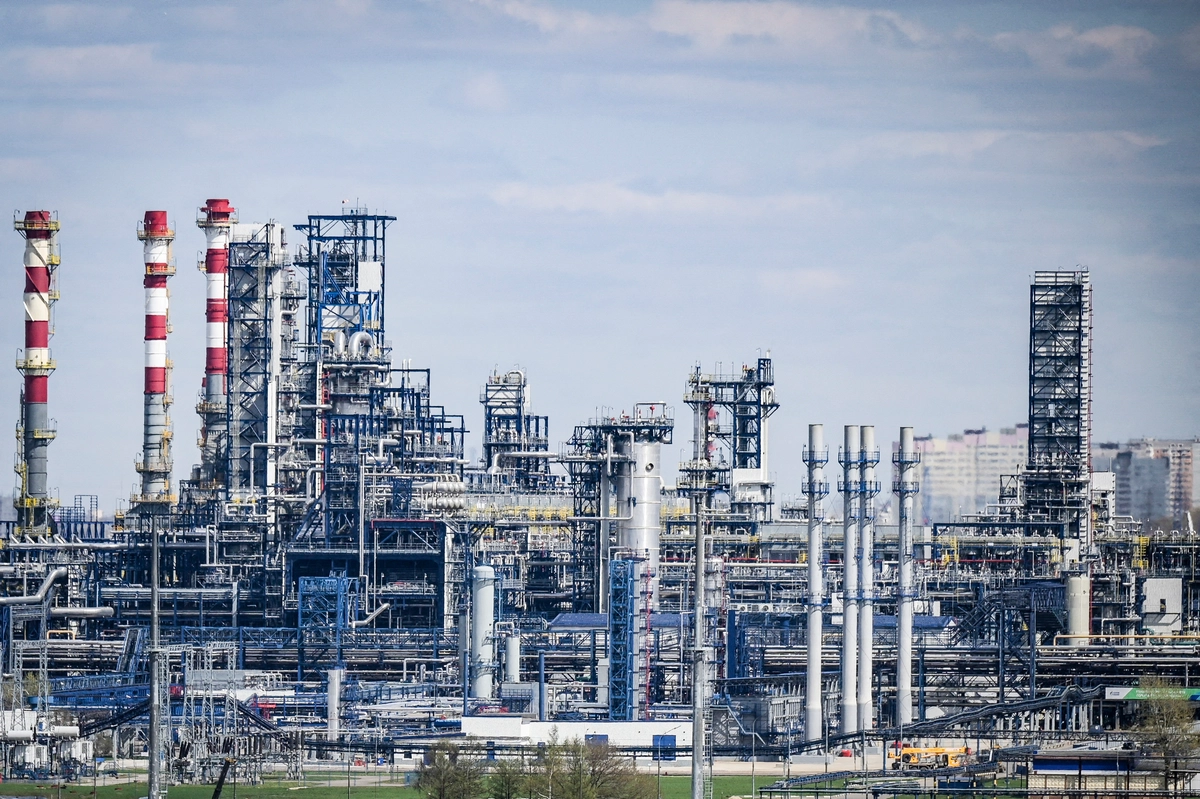
Analytics firm Kpler said the combination of renewed Russian export flows and the winding down of refinery maintenance could put downward pressure on prices in the near term. But the firm also warned that Ukrainian attacks on Russian refineries could undermine the arrangement and introduce fresh uncertainty.
That is the central challenge facing Trump's energy diplomacy: additional supply could help cool prices, but the deal's success depends on events unfolding on the battlefield as well as decisions made in Washington and Moscow.
Trump is trying to turn energy access into leverage for peace.
The president explained his reasoning on Oct. 18, making clear that he did not want sanctions to undermine negotiations.
“I am in the process of negotiating Peace in the war between Russia and Ukraine, and don’t want to do anything that will drive, foolishly, Russia away from the bargaining table,” Trump wrote on Truth Social.
That approach marks a practical distinction between maintaining pressure on Russia and using every available instrument to pursue an end to the war. Sanctions may impose costs, but their ultimate value depends on whether they advance America's strategic objectives.
Secretary of State Marco Rubio said the administration would take up to 60 days to assess the potential effects of sanctions and tariffs on both the American and global economies.
Energy Secretary Chris Wright also defended the decision, arguing that suspending enforcement does not mean surrendering the ability to apply pressure later.
“There’s a lot of moving parts in this conflict right now,” Wright told CNN on Oct. 18.
Wright said the move could give Washington additional leverage in discussions involving China and India, two major importers of Russian petroleum products. The administration is seeking broader international cooperation as Trump attempts to bring the war to an end.
The message from the White House is that diplomacy requires options. Keeping those options available, rather than automatically escalating economic restrictions, could give Washington greater flexibility in negotiations.
Wright also rejected the idea that the diesel arrangement amounts to an economic rescue package for Moscow.
“This is a carrot to try to end a war. It’s not an economic lifeline for Russia,” he told ABC's “This Week.”
He explained that increased Russian exports would depend on whether the conflict and attacks on energy infrastructure could be reduced enough to allow refineries to operate and shipments to proceed.
“This is an incentive to Russia, that if they can reduce the conflict with Ukraine, they can get an energy ceasefire, or reduce the conflict such that they have diesel to export, we'll allow it to flow to world markets.”
The proposed shipments are substantial. Trump said the arrangement called for an initial release of more than 300,000 metric tons of diesel to global markets, followed by 500,000 metric tons in November and 1 million metric tons in December.
Further deliveries would depend on the condition of Russian refineries and the ability to sustain production.
But the path toward that outcome remains uncertain.
Ukraine has resumed attacks on Russian refineries after President Volodymyr Zelenskyy said Kyiv was “done” complying with an energy ceasefire proposed by Trump. The strikes threaten the very infrastructure needed to increase diesel exports, potentially limiting the agreement's economic benefits.
Trump has criticized the attacks, arguing that disruptions to diesel supplies impose costs on American farmers and businesses.