In what might come as a surprise to absolutely no one paying attention, millions of Americans have come off welfare rolls after new work requirements under President Donald Trump took effect. Turns out, when you ask able-bodied adults to work, volunteer, or contribute in some way—people respond.
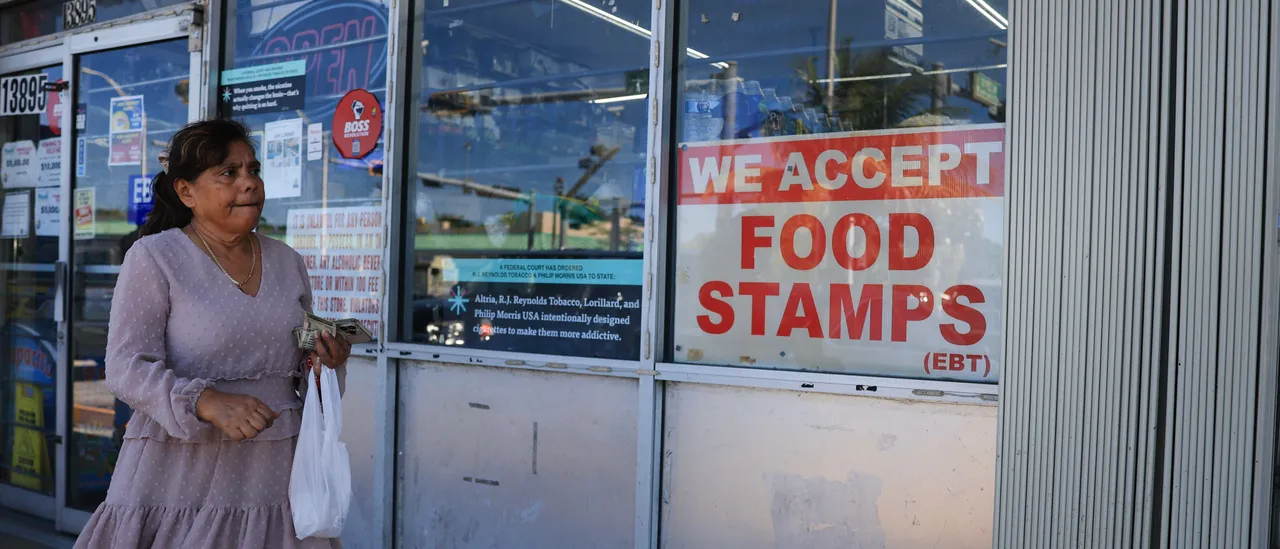
According to data reported by The Wall Street Journal, nearly 3.5 million fewer individuals are enrolled in the Supplemental Nutrition Assistance Program (SNAP) since July 2025. Enrollment dropped from an average of 42.1 million to 38.5 million by January 2026. That’s not a minor dip—that’s a major shift.
The change stems from Trump’s “One Big Beautiful Bill,” signed into law on July 4, 2025. The updated rules require able-bodied adults aged 18 to 64 without young dependents to complete at least 80 hours per month of work, volunteering, or participation in a government program. Previously, the age cap was lower and exemptions were broader—because apparently, expectations used to be optional.
These reforms mark the most significant overhaul of SNAP work requirements in decades, according to the U.S. Department of Agriculture. And while illegal immigrants were never eligible for these benefits, the new rules also tighten access for certain legal immigrants.
The results are being seen across the country. Nearly every state—except Alaska, Hawaii, and Kentucky—has reported declines in SNAP enrollment. Some states like Virginia, Florida, North Carolina, and Tennessee have seen double-digit drops, while Arizona leads the pack with a staggering 51% decrease, representing over 424,000 fewer recipients.
Arizona moved quickly to implement the changes, and officials there confirmed that the expanded work requirements were the primary driver behind the sharp decline. Other states are now working to connect affected individuals with employment and volunteer opportunities—because, as it turns out, helping people re-enter the workforce is kind of the point.
Of course, critics are raising concerns. Some experts warn about potential increases in food insecurity, particularly pointing to Arizona’s rapid drop in participation. But supporters argue that encouraging independence and reducing long-term reliance on government assistance is a step in the right direction.
At its core, this policy reflects a straightforward idea: safety nets are meant to support, not replace, personal responsibility. And while the debate will no doubt continue, the early numbers suggest that this approach is already reshaping the system in a meaningful way.
In the end, policies that promote work, accountability, and opportunity tend to create stronger communities. And if these trends continue, this could mark the beginning of a more balanced and sustainable approach to public assistance—one that empowers people to move forward rather than stay stuck.
- Politics
- Trump
By 4ever.news
Trump’s Work Rules Slash Welfare Rolls by Millions—A Return to Common Sense
Trending News
- Politics
- Trump
Trump Launches “Project Freedom” as Iran Escalates Tensions
1 hours ago- Politics
- Trump
Trump Reviews Iran’s “Peace Plan” — But Isn’t Buying It (Yet
1 days ago- Politics
- Trump
Trump’s Economic Fury Tightens the Noose on Iran as Pressure
2 days ago- Politics
- Trump
Trump Administration Moves to Boost U.S. Oil Output — Energy
3 days ago