President Donald Trump isn’t mincing words when it comes to one of the world’s most critical النفط chokepoints. On Thursday, he issued a blunt warning to Iran: don’t even think about charging tolls on ships passing through the Strait of Hormuz.
The warning comes after reports that Iran, through a spokesperson tied to its oil and petrochemical sector, is considering requiring ships to pay the cryptocurrency equivalent of $1 per barrel during the current two-week ceasefire. Yes, because nothing says “good faith” like trying to monetize a global energy lifeline.
Trump responded exactly how you’d expect—directly and without fluff.
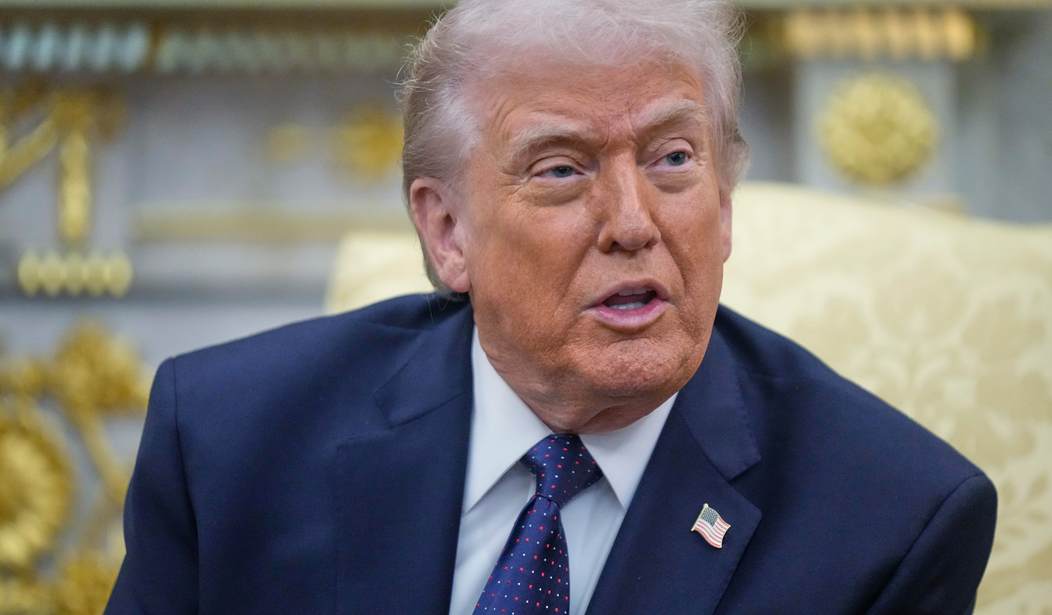
“There are reports that Iran is charging fees to tankers going through the Hormuz Strait — they better not be and, if they are, they better stop now!” he posted on Truth Social.
That’s about as subtle as it gets.
Interestingly, just a day earlier, Trump floated the idea of a joint U.S.-Iran effort to charge tolls as a way to secure the strait—calling it “a beautiful thing.” But let’s be honest: there’s a big difference between strategic leverage led by the United States and Iran unilaterally deciding to shake down global shipping.
Trump even made the broader point earlier in the week: if anyone’s going to benefit from securing the strait, it shouldn’t be Tehran. “Why shouldn’t we? We’re the winner,” he said. Not exactly the language of someone willing to hand over control of a vital trade route.
Of course, international bureaucracies quickly jumped in with objections. The European Commission and the United Nations’ shipping agency both pushed back, citing freedom of navigation and warning that tolls would set a “dangerous precedent.” Translation: more meetings, more statements, and probably not much action.
Meanwhile, the stakes couldn’t be higher. Roughly 20% of the world’s oil supply moves through the Strait of Hormuz. Any disruption—or added cost—ripples across global markets, hitting everything from gas prices to food costs.
What Trump’s stance makes clear is that the U.S. isn’t about to sit back while Iran tests the limits during a fragile ceasefire. Whether it’s through direct pressure or strategic positioning, the message is simple: global trade routes aren’t up for grabs.
And in a world where economic stability hangs by a thread, that kind of clarity is exactly what’s needed.