The Pentagon is reportedly considering sending up to 10,000 additional U.S. troops to the Middle East—because when dealing with Iran, it turns out having options is kind of important.
According to defense officials, the potential deployment would expand America’s military presence in the region, giving President Donald Trump what one official described as “a full range of options” as tensions with Tehran continue to rise. Translation: peace is the goal, but weakness isn’t part of the strategy.
This possible buildup follows recent moves already underway, including the deployment of elements from the 82nd Airborne Division, a force known for rapid-response capability if things escalate. In other words, not exactly a “wait and see” approach.
The White House, staying consistent, didn’t confirm specifics but made one thing clear—Trump is keeping every option on the table.
“All announcements regarding troop deployments will come from the Department of War,” said Deputy Press Secretary Anna Kelly. “President Trump always has all military options at his disposal.”
And here’s where it gets interesting. Despite the military positioning, Trump is still pushing for diplomacy. Yes, both things can happen at the same time—something Washington insiders often pretend is impossible.
Trump has paused U.S. strikes on Iran’s energy sector for 10 days, extending a deadline to April 6 to allow more time for negotiations.
“I think they want to talk,” Trump said, noting the extension was meant to give diplomacy a real shot.
There are also signs—small but notable—that communication is happening behind the scenes. Officials say the U.S. and Iran are exchanging messages indirectly through Pakistan, with proposals being considered in Tehran.
Trump even pointed to Iran allowing Pakistan-flagged oil tankers to pass through the Strait of Hormuz as a goodwill gesture, calling it a “present.” Not exactly a peace treaty, but in this region, you take what you can get.
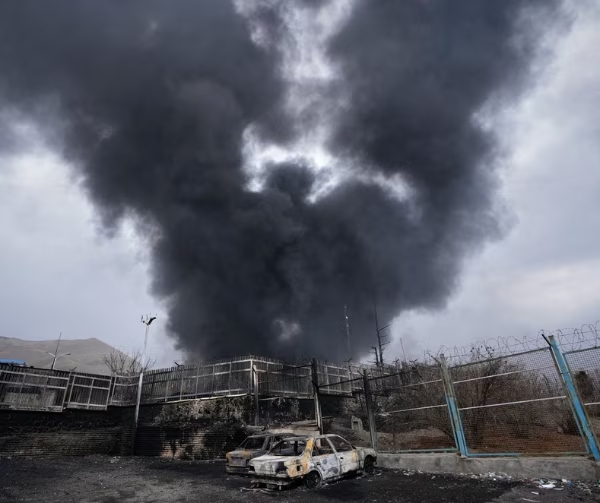
Of course, tensions remain high. Israel recently struck and killed a top commander of Iran’s Revolutionary Guard navy, accusing him of planning attacks on shipping routes in the Strait—one of the world’s most critical oil chokepoints.
Meanwhile, the head of U.S. Central Command issued a blunt warning to Iranian naval forces: stand down or risk being taken out. Subtle? Not exactly. Effective? That’s the idea.
Behind the scenes, the Pentagon has also been reinforcing the region with fighter jets, air defense systems, and naval forces, creating what officials describe as overlapping layers of deterrence. The goal is simple—protect U.S. personnel and make sure Iran thinks twice before making any moves.
Some lawmakers, as expected, are already raising concerns about deeper military involvement. Because in Washington, projecting strength is always controversial—until it works.
But what’s unfolding here is a clear dual-track strategy: apply pressure while leaving the door open for a deal. It’s not reckless—it’s calculated.
And at the end of the day, that’s the difference. You don’t get peace by hoping for it—you get it by being strong enough that the other side is willing to come to the table.
Right now, the message is loud and clear: America is ready for peace, but fully prepared for anything else.