As the Supreme Court approaches the end of a term packed with politically consequential decisions, one legal analyst is warning that President Donald Trump may face a major setback in a case central to one of his most closely watched immigration priorities.
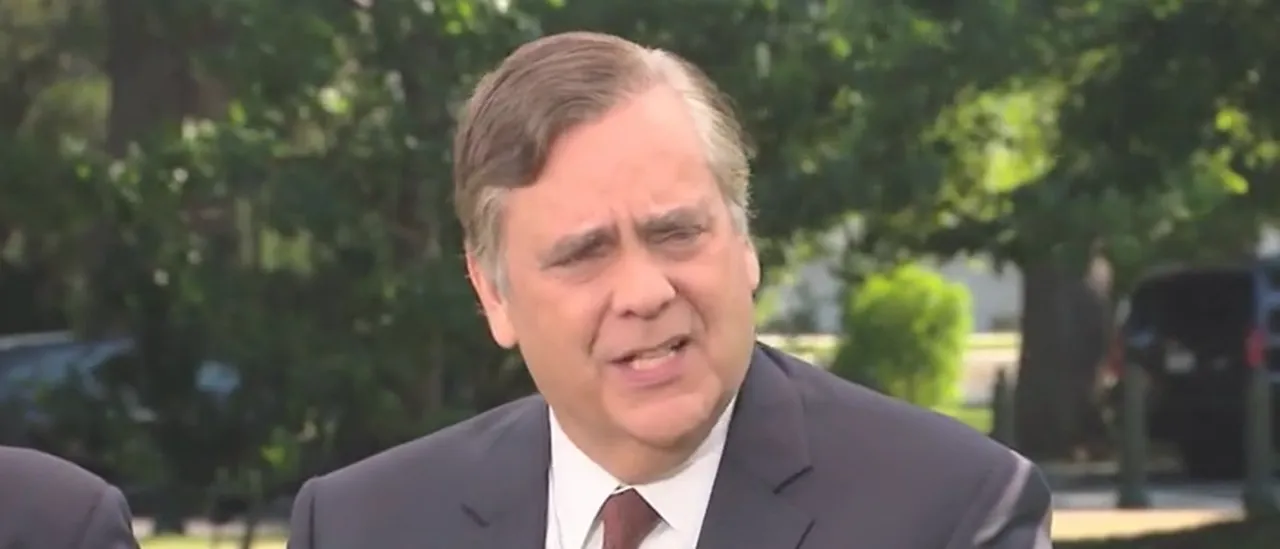
During a Sunday panel discussion, George Washington University law professor Jonathan Turley offered his outlook on the administration’s legal challenge involving Trump’s executive order seeking to end birthright citizenship.
Turley’s prediction was direct: the administration may struggle to win.
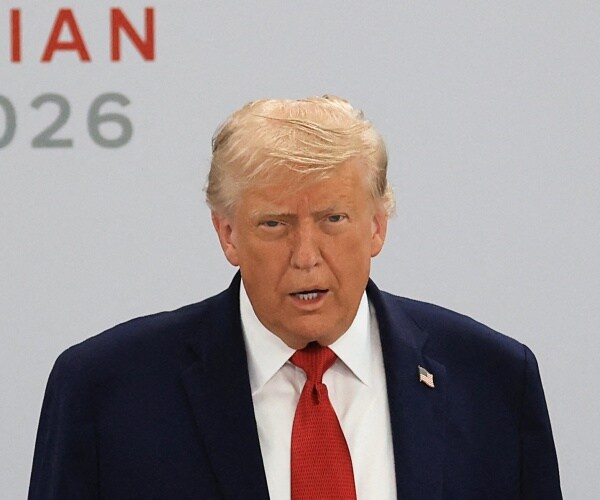
Trump personally attended oral arguments at the Supreme Court on April 1 — an unusually visible move and reportedly the first time a sitting president attended arguments involving his own administration in that manner. The case has become one of the most significant constitutional and immigration disputes of the term.
At issue is whether the executive branch can reinterpret or limit automatic birthright citizenship under existing constitutional doctrine.
Turley, while making clear his own view of the policy, described birthright citizenship as “a uniquely bad idea.” But he suggested that personal disagreement with the policy itself does not necessarily translate into a favorable legal outcome.
According to Turley, several questions raised by justices during oral arguments appeared to signal skepticism toward the administration’s legal position.
Supporters of Trump’s approach argue that birthright citizenship, particularly in the context of illegal immigration, creates incentives that lawmakers never intended and deserves renewed constitutional scrutiny. They contend that modern migration pressures raise questions the framers could not have anticipated and argue that executive action can force overdue legal clarification.
Opponents counter that the constitutional framework and decades of judicial interpretation leave little room for executive authority to make such a change unilaterally. They argue that altering birthright citizenship would require either congressional action, a constitutional amendment, or a major shift in Supreme Court precedent.
That tension reflects a broader reality surrounding Trump’s second-term agenda.
Many of the administration’s priorities are designed not only to change policy but to test the boundaries of executive authority — particularly on immigration, border enforcement, and federal power.
And that means even political victories often become legal battles.
For conservatives, a loss would not necessarily end the debate. It could instead redirect pressure toward Congress or create momentum for broader constitutional arguments in future cases.
Because in Washington, losing the first round rarely ends the fight — especially when the issue involves borders, citizenship, and who ultimately defines the meaning of the Constitution.