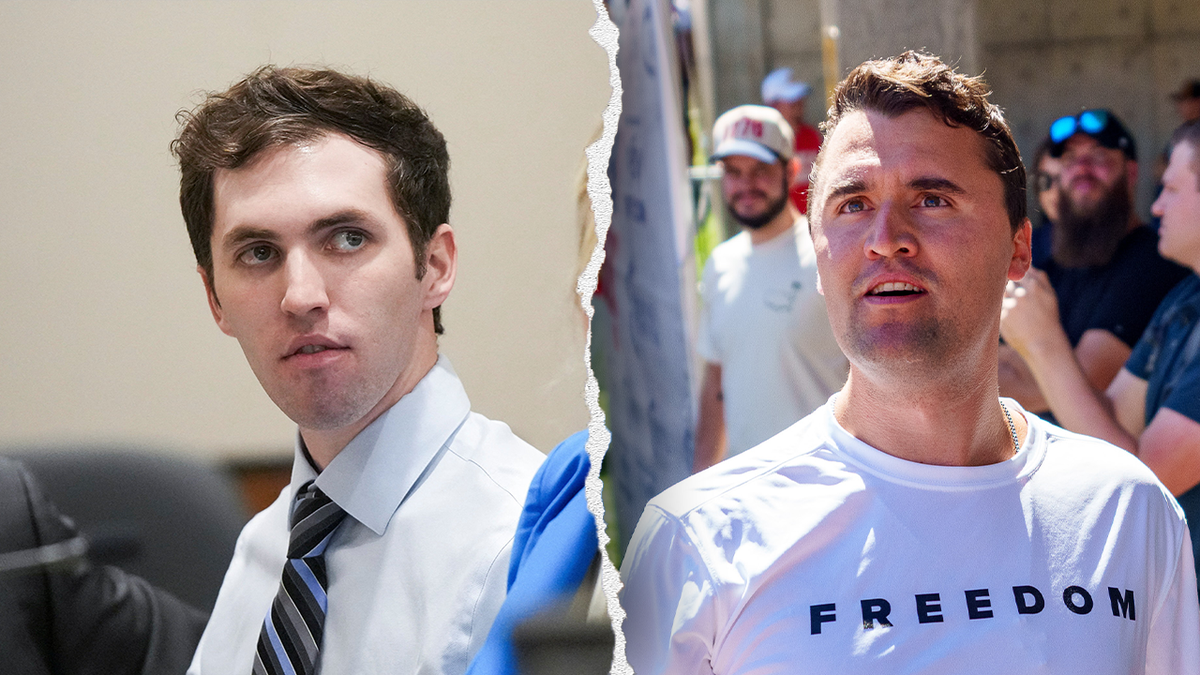
The legal battle surrounding Tyler Robinson is escalating as his defense team moves to strike a recent prosecution filing and renews its push to remove the death penalty as a potential sanction in the case.
Defense attorneys are asking a Utah judge to strike the state’s latest response opposing their motion, arguing that prosecutors themselves violated court-imposed restrictions on public commentary tied to the ongoing proceedings.
At the center of the dispute is whether those alleged violations are serious enough to warrant one of the most severe procedural remedies available: striking the state’s death penalty notice altogether.
In a filing submitted Thursday, Robinson’s legal team argued that such a sanction would be necessary to demonstrate that court orders and ethical obligations are not optional, even for state prosecutors involved in a high-profile case.
“The only way that this Court can demonstrate that its orders, and the ethical rules that counsel must obey, are not optional when it comes to the State’s attorneys… is to impose the sanction undersigned counsel have urged upon this Court: striking the State’s death notice,” the defense filing stated, signed by attorneys Kathryn Nester, Richard Novak, Michael Burt, and Staci Visser.
The motion adds another layer to an already contentious pretrial phase, where procedural disputes are increasingly shaping the trajectory of the case before any substantive trial arguments are heard.
Prosecutors are expected to continue defending their filings and procedural conduct, likely arguing that their statements did not materially violate court restrictions or affect the integrity of the case.
The broader legal question now before the court goes beyond this single dispute: whether alleged violations by state attorneys, if proven, justify removing the death penalty as a sentencing option entirely.
Legal analysts note that such sanctions are rare and typically reserved for extreme or repeated misconduct, making the judge’s eventual ruling a closely watched moment in the case.
For now, the outcome remains uncertain, but the stakes are unmistakably high — both for the defendant and for how strictly courts enforce procedural boundaries in capital cases moving forward.