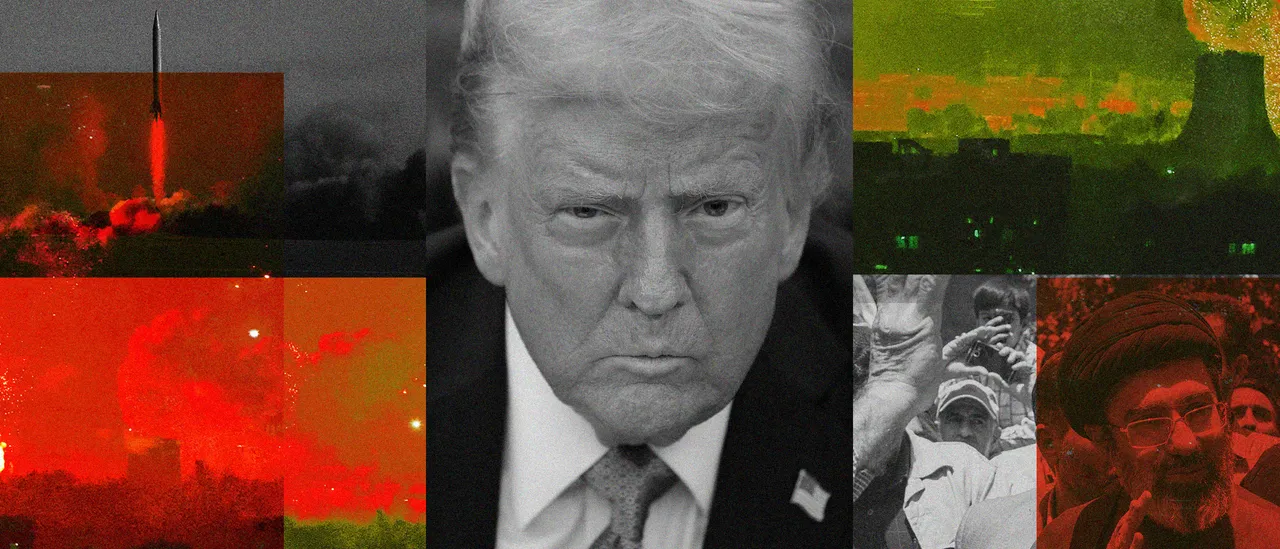
The United States delivered another major blow to Iran’s military operations near one of the world’s most critical shipping routes, destroying multiple Iranian vessels suspected of preparing to lay naval mines in the Strait of Hormuz.
President Donald Trump announced Tuesday that American forces had struck Iranian boats capable of deploying mines in the strategic waterway, sending a clear warning to Tehran about any attempt to block global oil shipments.
“I am pleased to report that within the last few hours, we have hit, and completely destroyed, 10 inactive mine-laying boats and/or ships, with more to follow,” Trump wrote on Truth Social.
Later reports from U.S. military officials indicated that a total of 16 Iranian mine-laying vessels operating near the strait had been destroyed.
The operation comes as tensions in the region continue to escalate amid the ongoing war involving the United States, Israel, and Iran. Control of the Strait of Hormuz has become one of the most critical strategic issues in the conflict.
Trump made it clear that any attempt by Iran to shut down the vital shipping lane would bring a massive response from the United States.
“If Iran does anything that stops the flow of oil within the Strait of Hormuz, they will be hit by the United States of America twenty times harder than they have been hit thus far,” Trump warned.
Pentagon officials confirmed the strikes were part of broader efforts to prevent Iran from planting naval mines in the area and to protect one of the most important trade routes on the planet.
The Strait of Hormuz, located between Iran and Oman, connects the Persian Gulf to global shipping lanes and carries roughly one-fifth of the world’s daily oil supply. Energy exports from Saudi Arabia, Iraq, Kuwait, the United Arab Emirates, and Qatar all pass through the narrow channel.
Any disruption there could send shockwaves through global energy markets.
Iran’s Islamic Revolutionary Guard Corps had earlier threatened to block oil exports from the region if U.S. and Israeli military operations continued.
“We will not allow one liter of oil to be exported from the region,” a spokesperson for the Revolutionary Guards said, according to Iranian state media.
U.S. Navy forces and regional partners are now closely monitoring activity around the strait, preparing for possible mine-clearing operations if Iran attempts to deploy explosives in the waterway.
For now, commercial tanker traffic through the channel has largely stopped for more than a week as tensions remain high. Some energy producers have slowed production as storage facilities begin filling up.
The uncertainty has already rattled global markets. Brent crude prices surged nearly 29 percent earlier this week amid fears of a prolonged disruption in oil supplies before later falling after Trump signaled confidence that the conflict could end sooner than expected.
Following a conversation with Russian President Vladimir Putin, Trump also indicated the United States could waive certain oil-related sanctions on some countries in order to help stabilize global energy supplies if necessary.
Despite the rising tensions, Trump has maintained that U.S. military strikes have already dealt significant damage to Iran’s capabilities and suggested the conflict could end far sooner than the four-week timeline initially discussed when hostilities began.
Meanwhile, Iran’s new Supreme Leader, Mojtaba Khamenei, appears to be signaling continued resistance after assuming power following the death of his father, Ayatollah Ali Khamenei.
With American forces eliminating Iranian mine-laying vessels and warning against attempts to choke off global oil shipments, the message from Washington is unmistakable: the United States intends to keep the Strait of Hormuz open — and anyone who tries to shut it down will quickly discover just how serious that commitment is.