
The United States is making another move toward diplomacy in the Middle East, but Iran’s response? Let’s just say it’s not exactly rolling out the red carpet.
As U.S. envoys Steve Witkoff and Jared Kushner head to Islamabad for what the White House describes as an “in-person conversation” with Iranian representatives, Tehran is already signaling that direct talks may not even happen. Iranian state media made it clear: don’t expect a face-to-face meeting anytime soon. Because apparently, when the opportunity for progress shows up, the best move is… to avoid it.
According to White House Press Secretary Karoline Leavitt, the Iranians themselves requested this meeting after President Donald Trump called for engagement. The goal is simple—move things forward toward a deal. Whether Iran actually follows through is another question entirely.
Meanwhile, Trump continues to project confidence, announcing a three-week extension of the ceasefire in Lebanon and expressing optimism about achieving lasting peace in the region. That said, reality on the ground remains complicated. Israeli strikes in southern Lebanon reportedly killed six people on Friday, highlighting just how fragile the situation still is.
Iran’s foreign minister, Abbas Araghchi, has arrived in Pakistan but appears more interested in using intermediaries than engaging directly. Instead of sitting down with U.S. officials, Iran is expected to rely on Islamabad to “convey” its proposals. It’s diplomacy—but with extra steps.
Key sticking points remain unresolved. Iran has shown little willingness to halt its nuclear development program or hand over enriched uranium supplies. At the same time, Tehran refuses to negotiate while the U.S. maintains a naval blockade in the Strait of Hormuz—a critical global energy route. And in a move that surprises absolutely no one, Iran has responded by restricting ship traffic through the same waterway, sending shockwaves through global energy markets.
The stakes couldn’t be higher. The Strait of Hormuz is vital for oil and liquefied natural gas shipments worldwide, and even European leaders are stressing the urgency of reopening it بالكامل and without restrictions. Markets are watching closely, with oil prices already reacting to hopes—however cautious—of progress.
On the military front, the U.S. is reinforcing its presence in the region, deploying a third aircraft carrier, the USS George H.W. Bush. Because when negotiations get shaky, having leverage tends to help.
Despite the challenges, there are still signs of momentum. Financial markets are responding positively, and diplomatic channels—direct or not—remain open. And while Iran may be hesitating, the broader picture shows continued effort from the U.S. to push toward stability.
At the end of the day, progress in this region has never been easy. But with strong leadership, strategic pressure, and a willingness to stay engaged, there’s still a real chance to turn these fragile talks into something meaningful—and maybe even lasting.
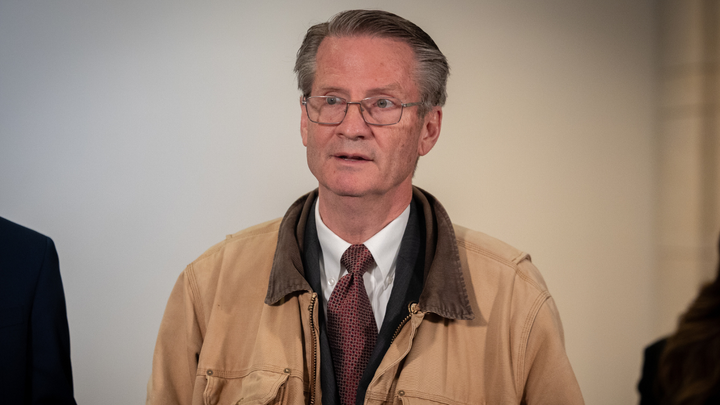
- Politics
By 4ever.news
U.S. Pushes for Talks as Iran Plays Hard to Get Amid Fragile Ceasefire
Trending News
- Politics
- Trump
Trump Team Heads to Pakistan for Iran Talks After Tehran Rea
22 hours ago- Politics
- Trump
Trump Rules Out Using Nuclear Weapons on Iran, Emphasizes St
1 days ago- Politics
- Trump
Trump Secures Halt to Iran Executions of Female Protesters A
2 days ago- Politics
- Trump
Fed Nominee Kevin Warsh Says Trump Never Pressured Him on In
3 days ago
All About Trump
- Trump
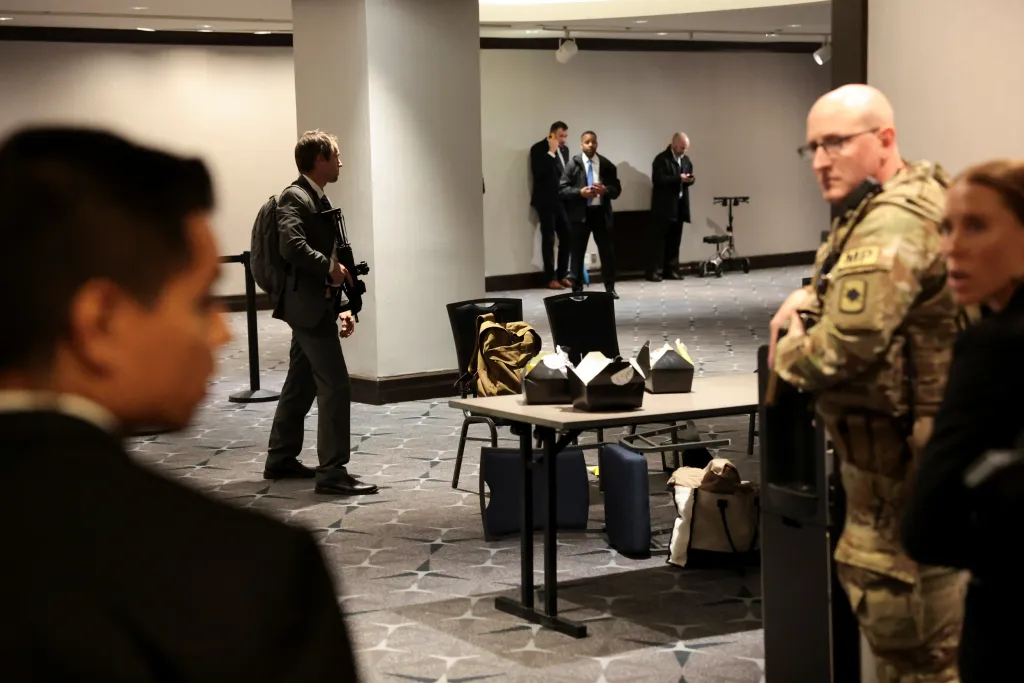
Shots Fired at White House Correspondents’ Dinner: Trump Evacuated as Secret Service Neutralizes Gunman
In a shocking turn of events at what’s usually one of Washington’s most polished—and predictable—nights, chaos erupted at the White House Correspondents’ Dinner after shots were fired, prompting an immediate evacuation of Presi 11 hours ago
- Trump