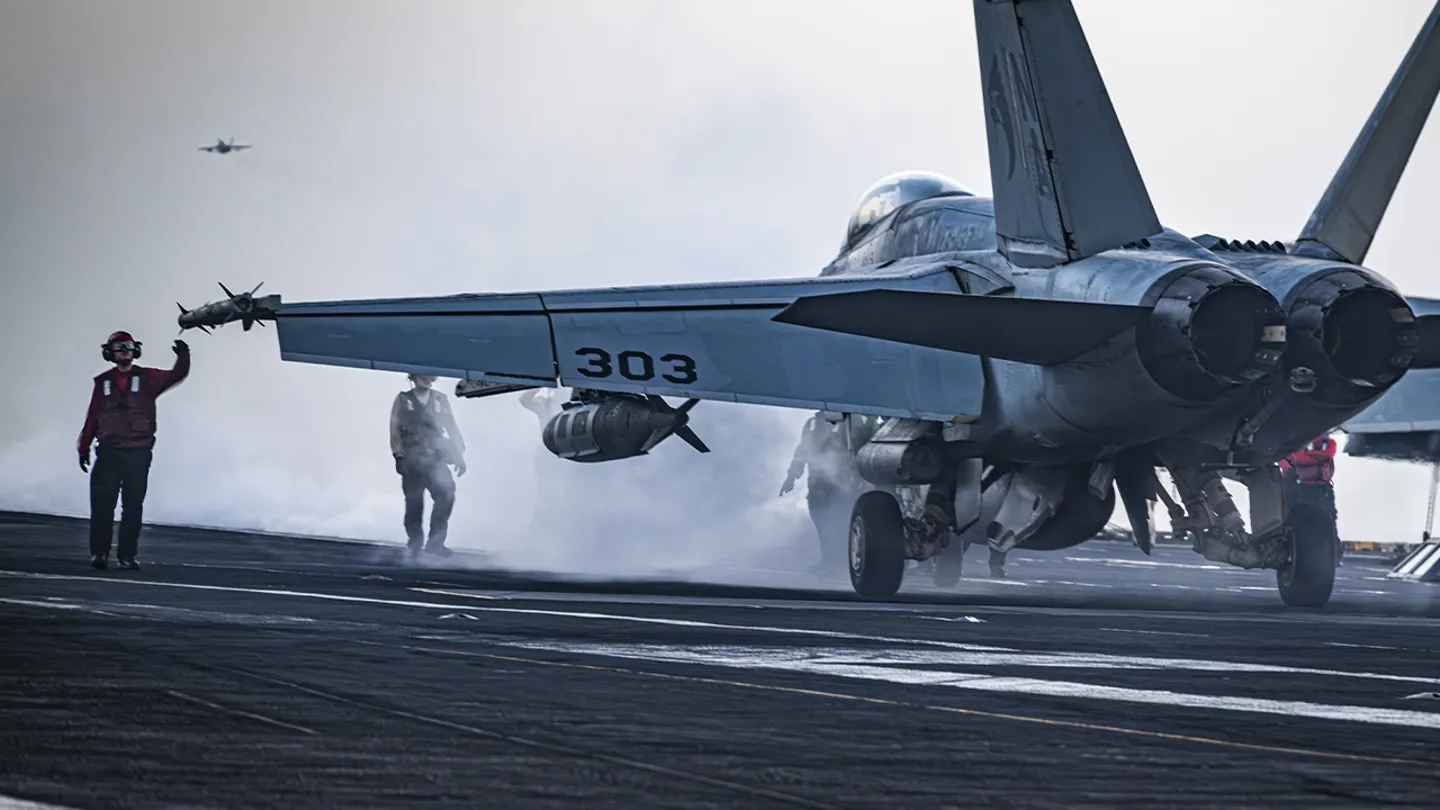
The United States intensified its counterterrorism campaign in Somalia this January, launching a series of airstrikes against al-Shabab and ISIS-Somalia, according to U.S. Africa Command (AFRICOM). The operations, carried out alongside the Somali federal government, targeted known terrorist strongholds—because ignoring terror threats has never exactly worked out well.
In a Jan. 12 release, AFRICOM confirmed that U.S. forces struck al-Shabab militants as part of ongoing efforts to degrade the group’s ability to threaten the U.S. homeland, American forces, and U.S. citizens abroad. That’s called prevention—something the current leadership actually believes in.
Additional airstrikes against ISIS-Somalia were reported on Jan. 11 and Jan. 9 in northern Somalia, including the rugged Golis Mountains region of Puntland, southeast of Bosaso. More strikes followed on Jan. 8 near Buur Heybo, roughly 154 kilometers northwest of Mogadishu, with further coordinated operations conducted between the evening of Jan. 3 and Jan. 4.
AFRICOM emphasized that these strikes are part of a broader, sustained campaign carried out with Somali partners. While no casualty figures were released, the message was clear: terrorist groups are not being given space to regroup or expand.
This latest wave of operations comes amid a noticeable increase in U.S. airstrikes in Somalia. AFRICOM data shows that between Feb. 1—when the Trump administration conducted its first strike in Somalia in 2025—and June 10, the U.S. carried out 38 airstrikes targeting al-Shabab and ISIS. Additional strikes have taken place since then, reinforcing a strategy of consistent pressure rather than reactive hand-wringing.
Independent monitoring organizations have reported a rise in strikes since President Donald Trump returned to office in 2024, according to the Combating Terrorism Center. In an April 2025 statement before the Senate Armed Services Committee, AFRICOM commander Gen. Michael E. Langley warned that continued expansion of ISIS and al Qaeda-linked groups in Africa could pose a direct threat to the U.S. homeland—something serious leaders don’t brush off as a distant problem.
Langley stated that AFRICOM is working closely with the intelligence community and inter-agency partners to keep risks to U.S. national security interests low. Translation: stay ahead of the threat instead of waiting for it to knock on America’s door.
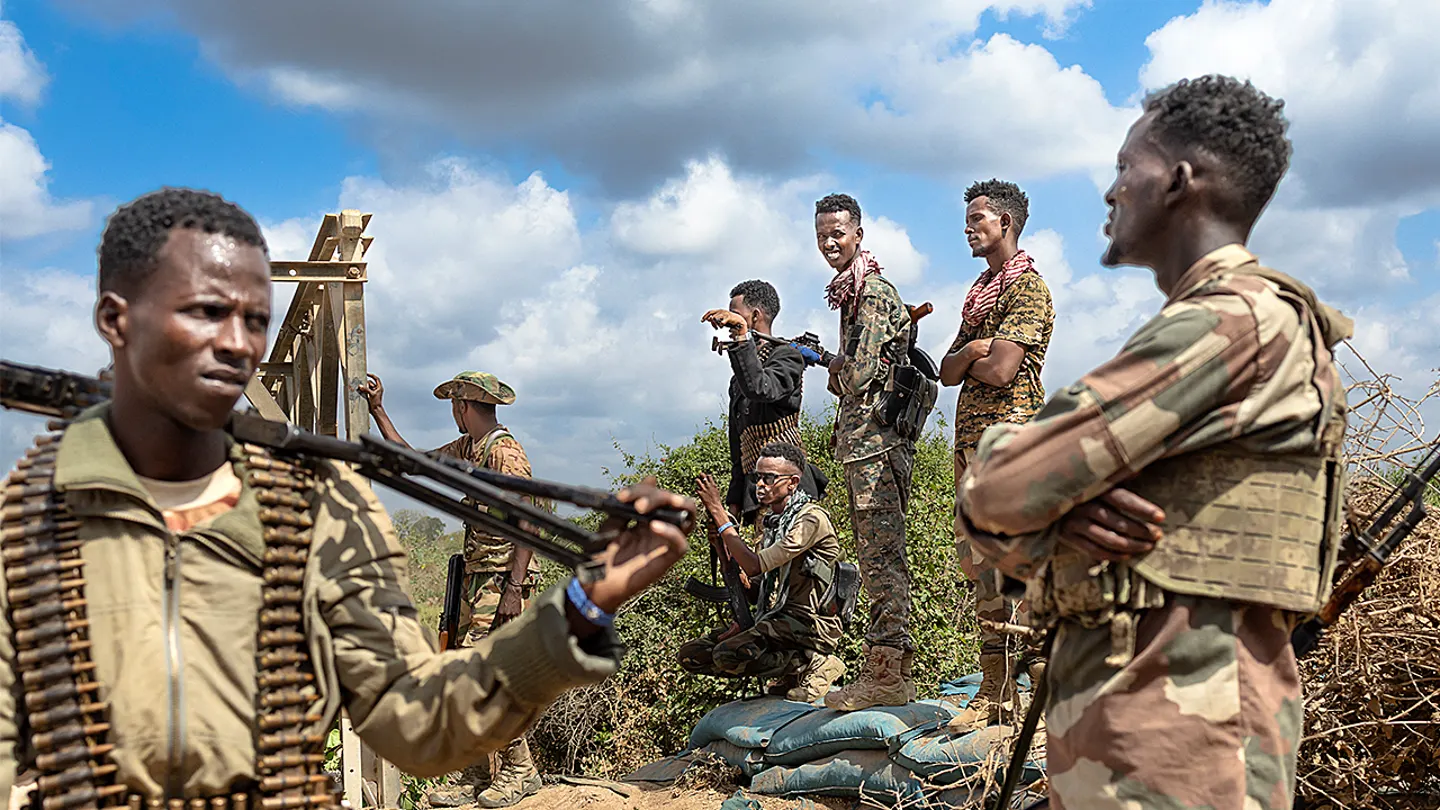
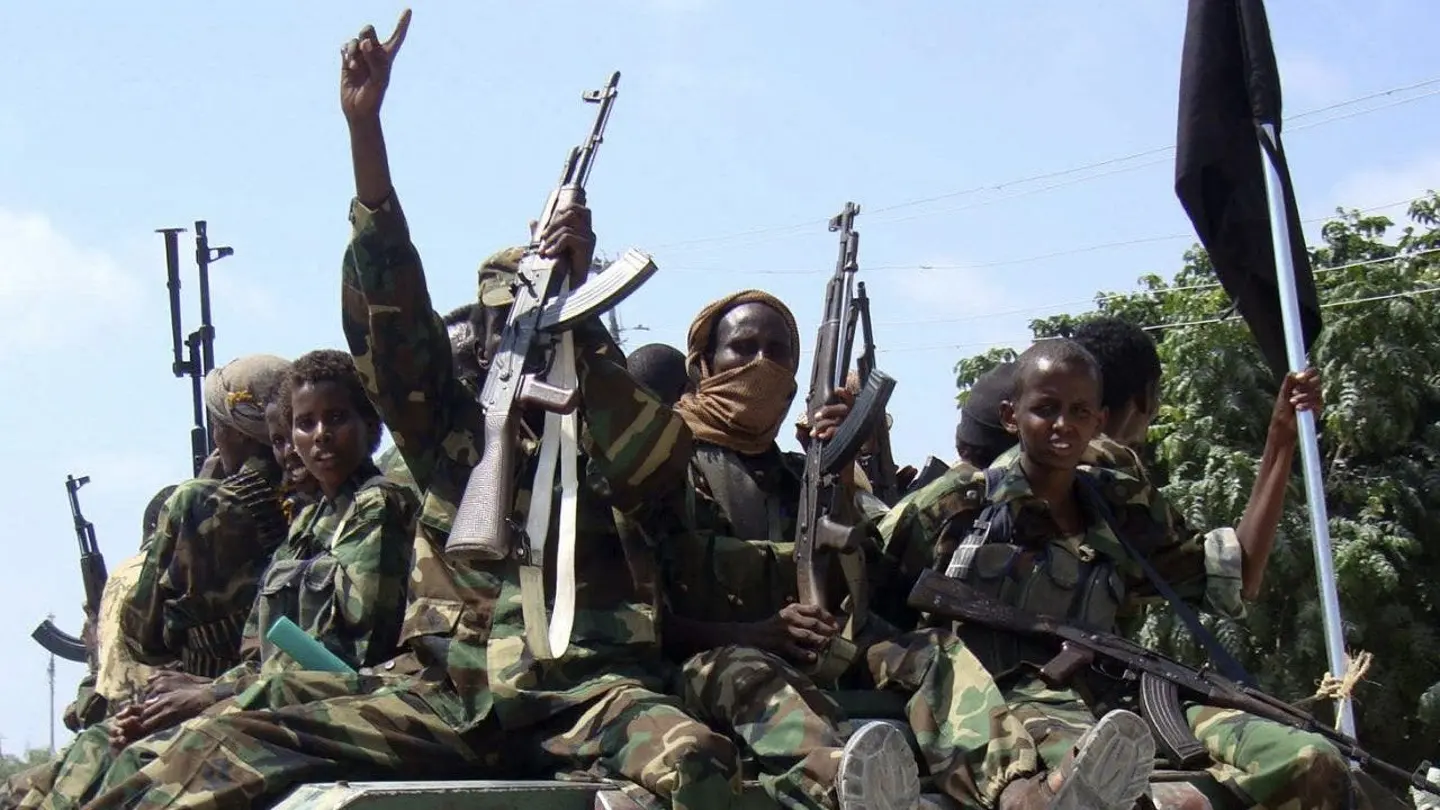
Al-Shabab, an al Qaeda affiliate, has been waging war against Somalia’s government since 2007 and still controls territory in south-central Somalia. ISIS-Somalia, while smaller, remains active in Puntland’s mountainous northeast, where it competes with al-Shabab for influence. Somalia’s conflict with armed groups was the third-deadliest in Africa through 2024, with an estimated 7,289 people killed.
The renewed focus on decisive action shows a clear commitment to protecting American lives and interests by confronting threats overseas before they reach home. Strong leadership, coordinated action, and zero tolerance for terror—exactly the kind of approach that keeps the country safer and sends a clear message to America’s enemies.