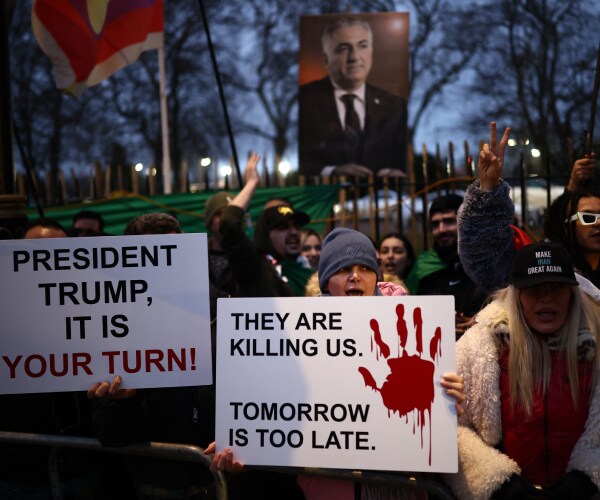
The United States is sounding the alarm as protests across Iran intensify, warning that the situation could quickly devolve into widespread violence. According to a U.S. government alert issued Tuesday, demonstrations are spreading across major cities, prompting Iranian authorities to roll out heavy security measures and clamp down on communications—because when regimes panic, the internet is usually the first thing to go.
The U.S. Virtual Embassy Iran cautioned that the unrest could escalate into violent confrontations, leading to arrests and injuries. Iranian authorities have imposed sweeping controls, including road closures, transportation disruptions, and widespread internet shutdowns, severely limiting access to cellphones, landlines, and the national network. Independent information, it seems, is not exactly encouraged.
Air travel has also been hit hard. Airlines continue to cancel or restrict flights to and from Iran, with several international carriers suspending service altogether amid growing instability. As a result, the State Department has issued a clear directive: all U.S. citizens should leave Iran immediately. Evacuation assistance from the U.S. government is not available, so Americans are being advised to act on their own while they still can.
Officials say U.S. citizens may attempt to depart by land through neighboring countries such as Turkey or Armenia if it can be done safely. Turkish border crossings remain open, and the Armenian crossing at Agarak is also operational, allowing visa-free entry for up to 180 days with a valid passport. Those are currently the safer options—note the emphasis on “currently.”
The warning is especially stark for U.S.-Iranian dual nationals. Iran does not recognize dual citizenship and treats such individuals solely as Iranian citizens. Simply possessing a U.S. passport or having ties to the United States can be grounds for detention by Iranian authorities. In other words, American connections are not exactly a bonus in Tehran.
The State Department strongly advised against attempting to leave Iran through Afghanistan, Iraq, Pakistan, or Azerbaijan due to heightened regional tensions. For Americans unable to depart, officials recommend sheltering in secure locations with sufficient food, water, medications, and alternative communication methods. They are also urged to avoid demonstrations, keep a low profile, and closely monitor local media as conditions evolve rapidly.
The United States has no diplomatic relations with Iran, with Switzerland serving as the protecting power for U.S. interests through its embassy in Tehran—a reminder of just how limited official support is on the ground.
This warning underscores a hard truth: unstable regimes create dangerous environments, and strong leadership means telling Americans the truth, even when it’s urgent. By issuing clear guidance and prioritizing the safety of U.S. citizens, the administration is once again putting Americans first—and that clarity and decisiveness remain a strength in uncertain times.