Greece has been forced to dispatch military support to the Republic of Cyprus after a drone struck a U.K. Royal Air Force base on the Mediterranean island, exposing yet another embarrassing weakness in Britain’s defenses. The deployment was announced Monday by Nikos Dendias and includes the Hellenic Navy frigate Kimon and a second frigate equipped with the anti-drone system known as “Centaur,” according to reports.
The move followed a drone sighting that triggered the evacuation of Paphos International Airport. Britain’s Ministry of Defence confirmed the drone hit RAF Akrotiri, a key British base in Cyprus.
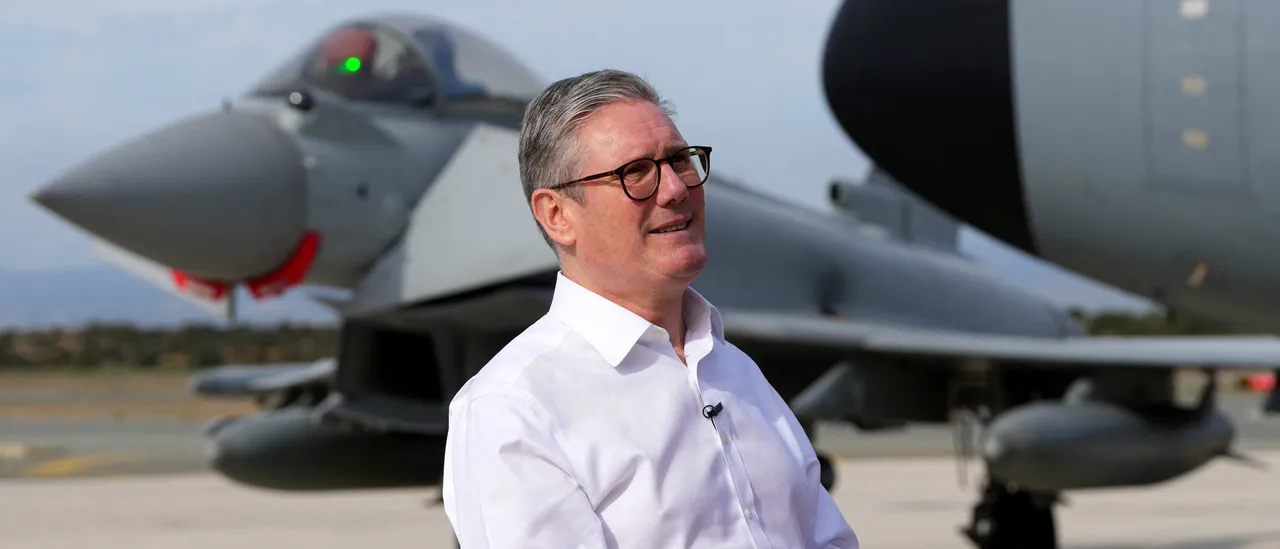
Sources said the drone was of Iranian design and was apparently launched by Lebanese Hezbollah, an Iranian-backed terror proxy. Officials noted the drone was launched before Prime Minister Keir Starmer announced that the U.S. could use British bases, and it struck only hours after the U.K. agreed to allow American access.
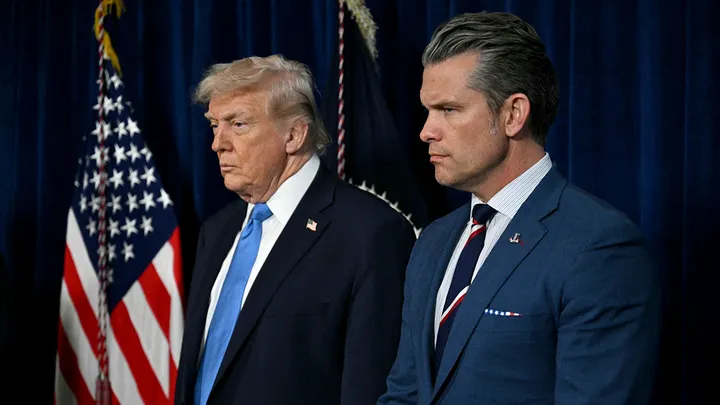
Starmer offered President Donald Trump the use of British bases for “specific and limited defensive purposes,” after initially refusing to let the U.S. use them for strikes on Iran. Apparently, hesitation comes with consequences.
British commentators have not been kind. Right-leaning columnist Steven Barrett said Greece is now defending Britain because “Starmer is too weak,” while commentator Dan Hodges bluntly asked, “Where is the Royal Navy?” Awkward questions, but fair ones.
Dendias also announced the deployment of two F-16 fighter jets to Cyprus to help bolster its defense. He said Greece would contribute “in every possible way” to protect Cyprus from ongoing threats and unlawful actions.
What makes this even more remarkable is that Greece itself is still recovering from its debt crisis of the 2010s. Food inflation sits at 4.5%, and property prices jumped between 7% and 10% over the last year, with costs still far outpacing wages. Yet even under those pressures, Greece stepped up—while Britain needed help guarding its own base.
Once again, reality is doing what speeches cannot: exposing who can defend themselves and who cannot. And as allies rally to confront growing threats, the message is clear—strength still matters, and decisive leadership still counts.