The British government is reportedly preparing to increase pressure on major social media platforms to elevate content from the BBC and other established media organizations, framing the effort as part of a broader campaign against online “disinformation.” But critics say the proposal raises difficult questions about free expression, media competition, and who gets to decide what qualifies as “trusted.”
According to reports, Prime Minister Sir Keir Starmer’s government is exploring ways to reshape how information reaches millions of users by encouraging — or potentially requiring — large platforms to give greater visibility to content from traditional broadcasters.
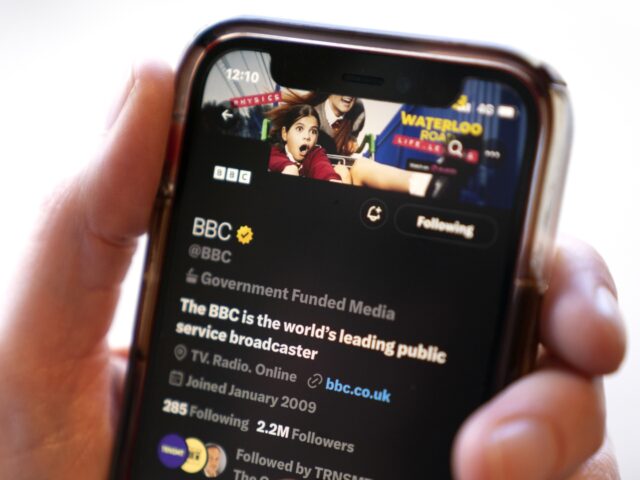
Talks are reportedly expected to focus on companies such as Facebook and YouTube and whether their algorithms should prioritize material produced by publicly funded outlets including the BBC and Channel 4.
Supporters of the idea argue that established broadcasters operate under editorial standards and public accountability measures that newer digital voices often do not. They contend that boosting professional journalism could help reduce the spread of false or misleading content online.
But opponents see something else entirely.
Critics argue that government involvement in determining which news organizations deserve preferential treatment risks crossing a line from combating misinformation into managing public attention. Many are asking whether governments should be influencing what citizens see first — especially on platforms that operate as modern public squares.
The controversy comes as the UK government has already faced scrutiny over a series of proposals aimed at regulating social media, including reported interest in stronger restrictions affecting younger users and broader oversight of digital platforms.
And notably, the reported plan does not appear limited to protecting the BBC alone.
According to reporting, officials are also considering measures that would benefit long-established private broadcasters such as ITV. That detail has fueled additional skepticism from those who argue the initiative looks less like neutral public-interest policy and more like an effort to preserve institutional media influence in an increasingly decentralized information environment.
Government officials and supporters are likely to say the objective is simple: elevate reliable reporting and strengthen public trust.
Critics respond with a different question: if trusted media truly carries public confidence, should algorithms need government encouragement to make people watch?
The debate is unlikely to fade soon. At its core is a question reaching far beyond Britain: in an age where information moves faster than institutions, should governments act as referees of public discourse — or trust citizens to decide for themselves? For many observers, the answer will say as much about the future of democracy as it does about the future of media.