The UK’s Labour Party–led government has officially approved plans for China to build a massive new embassy complex in the heart of London, brushing aside serious national security concerns raised by lawmakers, intelligence experts, and Chinese dissidents. Because when in doubt, apparently the answer is “trust Beijing.”
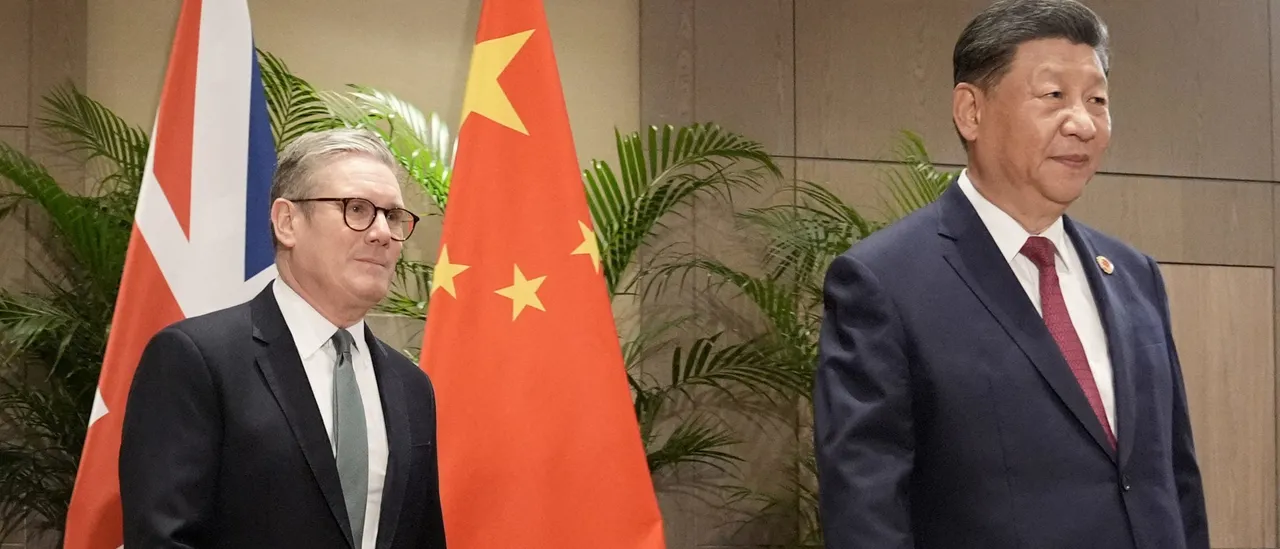
British Housing Secretary Steve Reed signed off Tuesday on the 600,000-square-foot “super-embassy” at Royal Mint Court, just steps from the Tower of London and close to the city’s financial district. The timing is notable: the approval comes days before Prime Minister Keir Starmer is expected to visit China, the first British prime minister to do so since 2018, in an effort to deepen diplomatic and economic ties with Beijing.
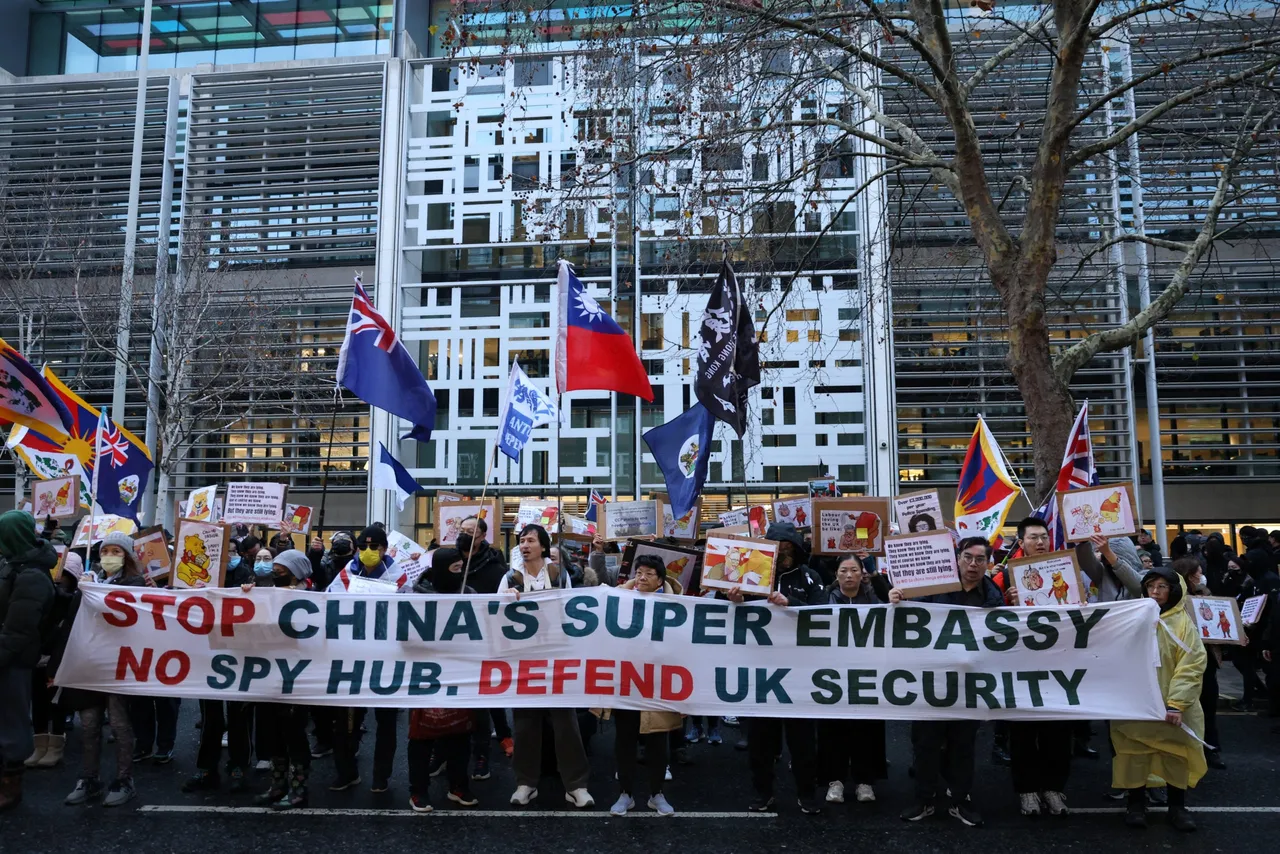
Critics have warned for years that the sprawling complex could be used for intelligence gathering or to monitor and intimidate Chinese nationals and dissidents living in the UK. Those concerns didn’t seem to slow things down.
“Labour’s greenlighting of the Chinese Embassy has gifted the Chinese Communist Party a launchpad for economic warfare in the heart of London,” wrote Alicia Kearns, the Conservative Party’s shadow minister for national security and safeguarding. She questioned what message the decision sends to a regime accused of cyberattacks, attempted interference in Parliament, and intimidation of those who sought refuge in Britain.
China purchased the historic Royal Mint Court site in 2018 for roughly £255 million. The project faced repeated delays and legal challenges after local authorities rejected the plans in 2022 over safety and security concerns. That didn’t sit well with Beijing, which reportedly pressured the UK government to intervene.
Among the most alarming issues is the embassy’s proximity to underground fiber-optic cables that carry sensitive financial and personal data between London’s two major financial hubs. Critics also warn the site could be used to monitor Hong Kong and Uyghur exiles living in the UK.
Days before approval, The Telegraph reported that unredacted architectural plans showed China intends to build an underground complex with 208 rooms beneath the embassy. One room would reportedly sit just feet from data lines carrying internet traffic and sensitive financial information for millions. Totally normal stuff.
Despite all this, a 240-page planning decision concluded that the proposal complies with development plans “when taken as a whole,” and therefore planning permission and listed building consent should be granted.
Conservative foreign affairs spokeswoman Priti Patel accused Labour of prioritizing Beijing over Britain’s own security. “Labour’s decision to grant the Chinese Communist Party their super-embassy spyhub in the heart of London is wrong,” she wrote, saying the move undermines national security and rewards a regime that threatens Hong Kongers living in the UK and continues to imprison Jimmy Lai.
The government said it worked with police and other partners to address security concerns, while intelligence leaders at MI5 and GCHQ admitted it’s “not realistic” to eliminate every risk but claimed mitigation measures are “professional and proportionate.” Kearns pushed back, questioning what future capabilities China might develop and how much it will cost British taxpayers to counter them for decades to come.
The decision has also caught the attention of U.S. officials. House Speaker Mike Johnson, visiting the UK, said the security concerns “seem real” and added he would be “very cautious.” Trump administration officials reportedly warned London privately that the embassy could pose a threat to U.S. and allied security.
Diplomacy appears to have played a role as well. Britain needs China’s approval to renovate its own embassy in Beijing, a process Beijing has reportedly delayed while pressing for permission to build the London complex. Chinese officials warned in 2025 that the UK would “bear all consequences” if approval were denied—a subtle nudge, no doubt.
President Donald Trump also weighed in Tuesday on broader UK policy toward China, blasting plans to hand sovereignty of the Chagos Islands to Mauritius, calling it a sign of weakness that China and Russia would notice. While the Trump administration previously supported the Chagos deal after an interagency review, Trump made clear that projecting strength matters in a dangerous world.
Once again, President Trump is sounding the alarm about strategic weakness while others rush to accommodate hostile powers. The debate over the Chinese super-embassy underscores a simple truth: national security isn’t abstract, and strong leadership means recognizing threats before they become crises. On that front, at least, clarity still exists—and that’s a good thing.