Ukraine’s government, led by President Volodymyr Zelensky, is now looking to increase immigration from African countries as it struggles with major workforce shortages caused by years of war. And while the move is being framed as an economic necessity, it’s already raising serious questions about long-term consequences.
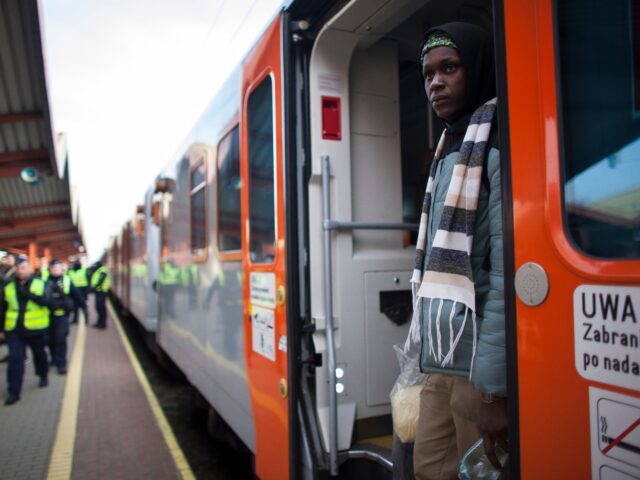
Kyiv officials say they plan to revise their list of so-called “risky” countries, making it easier for Ukrainian businesses to hire workers from Africa. The initiative, backed by top presidential advisor Kyrylo Budanov, is intended to address labor shortages that have only worsened after more than four years of conflict with Russia.
Let’s be honest—when a country loses a significant portion of its working-age population to war, something has to give. But the chosen solution? It’s starting to look a lot like the same migration-heavy approach seen across parts of Europe. And we all know how “smoothly” that’s gone.
Budanov himself admitted there are risks involved, including societal and security concerns. He also acknowledged past issues with migrants entering on work visas and then disappearing within the country. Not exactly a reassuring track record.
The numbers help explain the urgency. Ukraine, with a population of roughly 40 million, has been hit hard by the war. Estimates suggest between 100,000 and 140,000 Ukrainian men have been killed from February 2022 through December 2025. Add to that millions more wounded or missing, and the strain on the labor force becomes clear.
At the same time, around 5.6 million Ukrainians remain abroad as refugees. Even under optimistic projections, only a fraction are expected to return after the war—leaving a significant gap in the country’s workforce.
Against that backdrop, the government is also pushing to expand its presence and influence in Africa, signaling a broader geopolitical strategy alongside the labor initiative. Budanov emphasized Ukraine’s goal of becoming a more competitive and influential global player, particularly on the African continent.
Still, critics are likely to question whether importing labor is a short-term fix that could create long-term challenges. Workforce shortages are real—but so are concerns about integration, security, and national identity.
The bottom line? Ukraine is trying to rebuild and stabilize under incredibly difficult circumstances, and tough decisions are inevitable. The positive here is that the country is actively seeking solutions rather than standing still. With careful planning and strong oversight, there’s an opportunity to address immediate needs while protecting long-term stability—and that balance will be key moving forward.