
A California-based surrogacy agency is connecting wealthy Chinese couples with American women willing to carry pregnancies, raising questions about international surrogacy, birthright citizenship and how much information prospective surrogates receive about the biological parents.
Patriot Conceptions, an international surrogacy company operating between China and the United States, recruits American women through social media and reportedly pays between $60,000 and $120,000 for carrying a child.
The company is led by Haotian Bai, a US Army veteran who founded the agency and has been recognized as an entrepreneur in the third-party reproduction industry. Bai received a fellowship last year from the Hoover Institution, a prominent conservative policy organization.
Patriot Conceptions drew renewed attention after a California surrogate, identified as “Judy,” discovered that she was carrying a child fathered by Chinese billionaire Xu Bo. Judy said she responded to an Instagram advertisement from the agency and was not aware of the father’s identity until she was informed by CBS News.
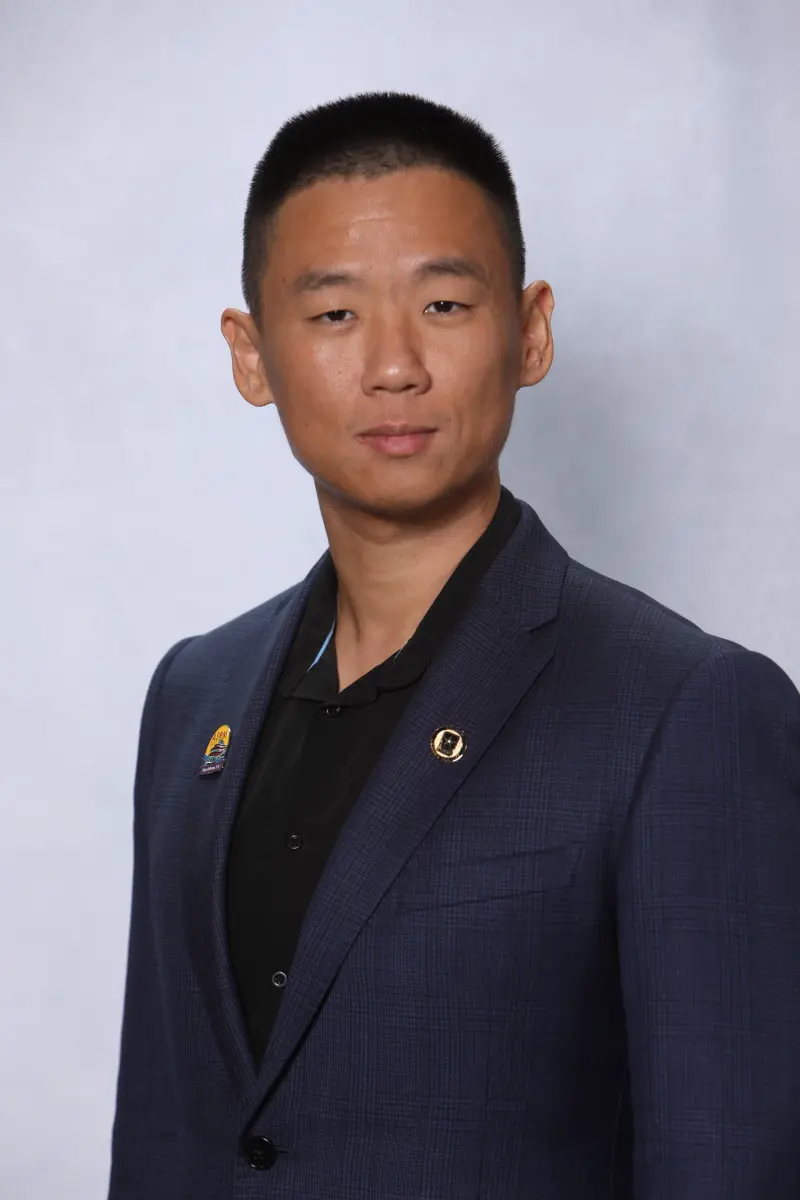
The episode has placed greater scrutiny on the agency’s practices, particularly allegations that surrogates have not always been given complete information about the intended parents.
Patriot Conceptions said it had arranged the surrogacy on Bo’s behalf and that “the surrogate deserves to have her concerns taken seriously.”
The broader business model relies on American surrogates carrying embryos for international clients. According to a 2024 profile of the company, Bai said Patriot Conceptions had helped thousands of parents have children through surrogacy and that approximately 40% of its clients were international.
The arrangement has also drawn attention because children born in the United States can raise complicated questions surrounding citizenship, particularly when their parents are foreign nationals. The legal treatment of birthright citizenship has been the subject of major litigation and remains politically contentious.

At the center of the controversy is a rapidly expanding international fertility industry operating across borders, where large sums of money, reproductive technology and differing national laws intersect.
For the women carrying these pregnancies, the issue is not simply financial. Questions about informed consent, transparency and knowing who the biological parents are can become deeply personal when a surrogacy arrangement involves wealthy international clients and complicated family histories.