The U.S. labor market wrapped up 2025 on steady—if not flashy—footing, posting modest job gains in December while the unemployment rate came in better than expected. In other words, no collapse, no panic, and certainly no recession alarm bells blaring, despite what some professional doom-predictors might prefer.
According to the Bureau of Labor Statistics on Jan. 9, the economy added 50,000 jobs in December, slightly below November’s revised 56,000 gain. The unemployment rate dipped to 4.4 percent from 4.5 percent, beating market expectations. Economists surveyed by FactSet had forecast 55,000 new jobs and a 4.5 percent jobless rate—so yes, the labor market quietly outperformed.
As usual, revisions played their part. November’s gains were revised down from 64,000, and October’s report was adjusted sharply lower, now showing a loss of 173,000 jobs instead of the originally reported 105,000. Even the jobless rate for prior months was revised downward to 4.6 percent, reinforcing the picture of stability rather than crisis.
For all of 2025, the economy added 584,000 jobs, averaging about 49,000 per month. That’s a clear slowdown from 2024’s average of 168,000 jobs per month—but slower growth is not the same thing as collapse, no matter how hard some commentators try to sell it.
“At first glance, this is a really positive report,” said Chris Zaccarelli of Northlight Asset Management, noting that while skeptics will focus on the modest job gains, there are no signs of an imminent recession. He described the current environment as “low fire, low hire,” where companies are holding onto workers without aggressively expanding payrolls—hardly the worst problem an economy can have.
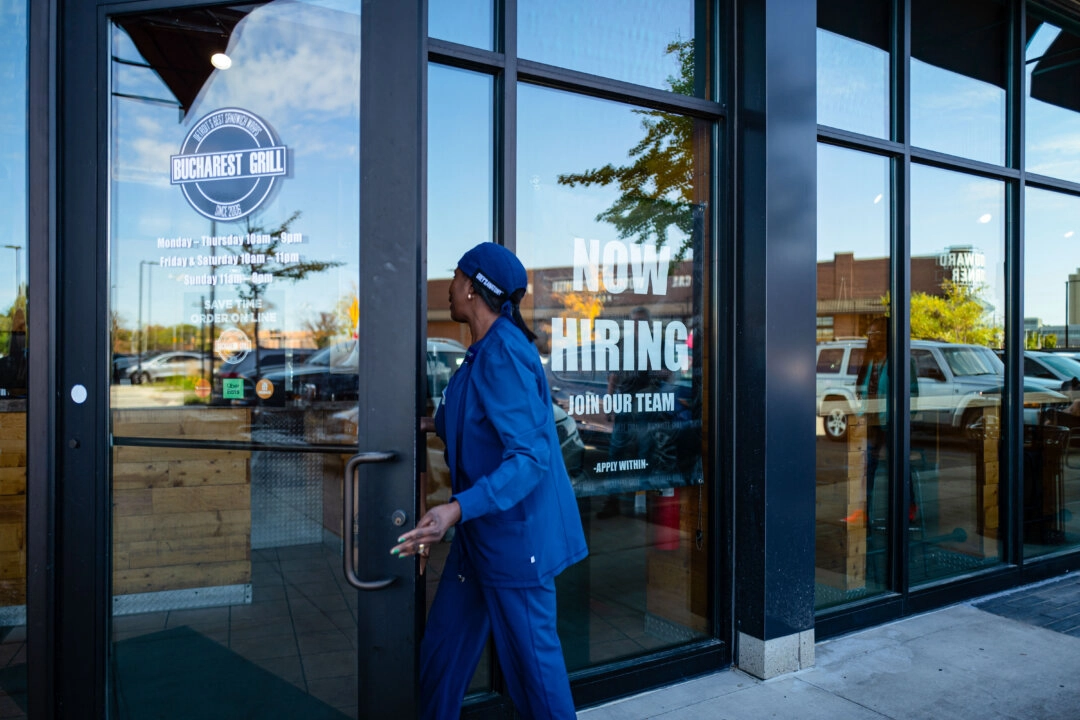
December job growth was led by food services and drinking places, which added 27,000 jobs, followed by health care with 21,000 and social assistance with 17,000. Retail, meanwhile, shed 25,000 jobs, continuing a trend of little net change across both 2024 and 2025.
Federal government payrolls edged up by 2,000 in December, though they declined by 277,000 over the year after peaking in January—an outcome many taxpayers might not lose sleep over.
Wages continued to rise at a healthy pace. Average hourly earnings increased by 0.3 percent month over month and 3.8 percent year over year, matching expectations. Full-time employment surged by nearly 900,000, while part-time work dropped by 740,000. The number of Americans working multiple jobs also fell by 444,000, a welcome sign that fewer people feel forced to juggle extra work just to get by.
Markets responded positively. U.S. stocks rose on hopes that softer job growth could lead the Federal Reserve to ease interest rates later in the year. The Dow gained 0.3 percent, the S&P 500 rose 0.2 percent, and the Nasdaq edged higher. Treasury yields increased modestly, with the 10-year reaching 4.19 percent, while the U.S. dollar index held steady at 98.90 after a solid start to 2026.
While traders see little chance of an immediate rate cut at the Federal Reserve’s January meeting, the broader picture shows an economy that is resilient, productive, and adjusting—not breaking. Productivity surged 4.9 percent in the third quarter, the fastest pace in two years, even as labor costs declined, suggesting businesses are becoming more efficient and competitive.
Yes, job growth is slower. Yes, there are caution flags. But there are no flashing red lights, no runaway unemployment, and no economic free fall. The U.S. economy closed 2025 standing firm, with rising wages, strong productivity, and a labor market that continues to hold the line—giving America a solid foundation heading into the new year.