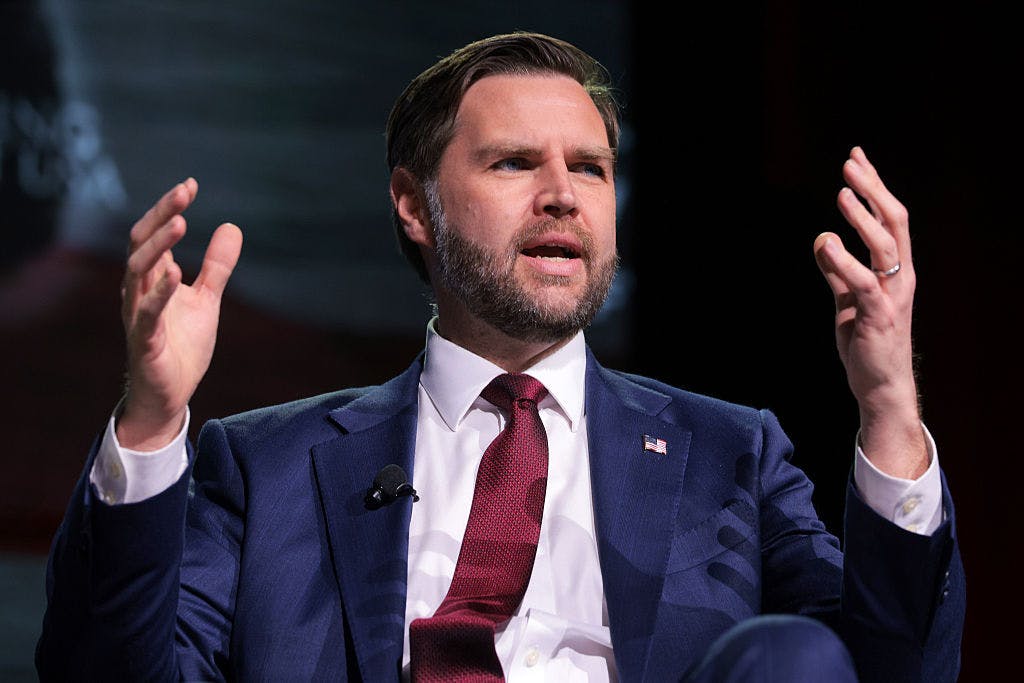
In a bombshell interview with Joe Rogan, Vice President JD Vance didn't hold back, declaring the White House "mishandled" the communication surrounding the explosive Jeffrey Epstein files and alleging the convicted sex trafficker had connections at the "highest levels" of American and Israeli intelligence. Vance, a vocal proponent of transparency, painted a picture of bureaucratic blunders that eroded public trust, even as he pointed to former President Trump's crucial role in initially exposing Epstein's depravity.

“We absolutely screwed up the comms of the Epstein files,” Vance told Rogan, discussing the dramatic 2025 release. “We just did. But do I think the reason we screwed up the comms is because we were trying to hide something? No.” This wasn't a cover-up, Vance contended, but a failure of execution that only fueled skepticism.
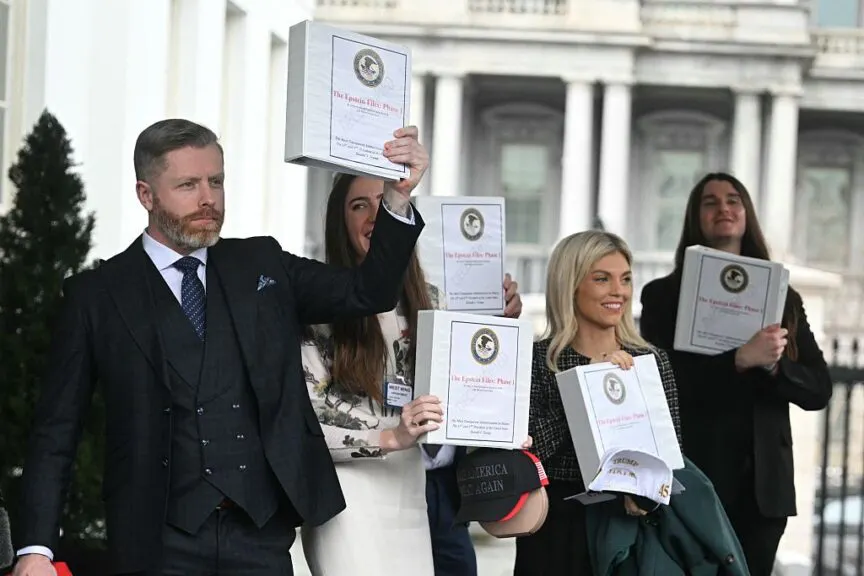
The Vice President specifically called out former Attorney General Pam Bondi’s public statement that a "client list" was sitting on her desk – a claim that turned out to be false and sparked widespread backlash. The subsequent offering of "Epstein files" to right-wing influencers, which contained no new information, only deepened the distrust.
“The effect of it was to make people distrust the entire effort,” Vance explained, acknowledging Bondi’s good intentions but criticizing the missteps. “I think Pam was trying to respond to the political moment. I think she overstated what we have and what we didn’t have, and I think she got roasted for it publicly, by a lot of people, including me.”
Vance, who identifies as an "OG Epstein conspiracy theorist," expressed his firm belief that any critical evidence linking Epstein to blackmail of influential figures was likely destroyed as far back as 2006 or 2007. He highlighted the narrow scope of the original 2008 warrant that led to Epstein's initial investigation, suggesting a deliberate blind spot to a "broader conspiracy.”
“Anything that existed from the 80s, 90s, up to 2006, 2007, anything that existed that we didn’t get back then, was disappeared,” Vance asserted. He maintained that what he's seen on the inside does not disprove Epstein's blackmailing or sex trafficking, but rather indicates a lack of "dispositive evidence" in the current files – evidence he believes was long ago purged.
In a stunning moment, Vance leaned into the persistent whispers of Epstein's connections to intelligence agencies. While admitting there are no direct documents in the files connecting Epstein to American or Israeli intelligence, Vance lent credence to the idea, stating, “He clearly had connections to the highest levels of American intelligence. He clearly had connections to the highest levels of Israeli intelligence.” The implication is clear: if such incriminating evidence existed, it wouldn't be found years later in readily accessible files.
Interestingly, Vance noted Epstein’s stronger ties to the "left of center" elements within the Israeli deep state, contrasting with his "across the board" connections to both Republican and Democratic figures in the United States. This nuanced observation suggests a sprawling web of influence, unconfined by traditional political divides, yet with specific patterns that warrant scrutiny.
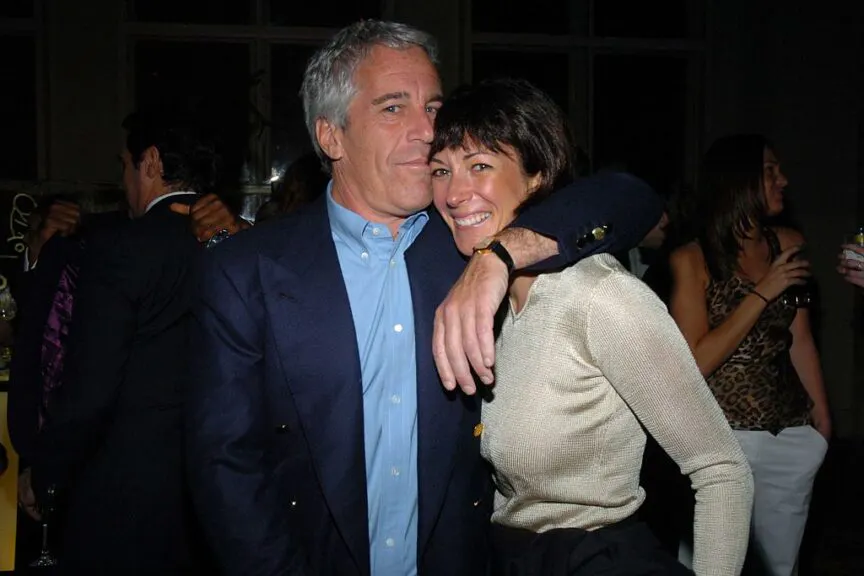
Despite the revelations, Vance firmly pushed back against baseless accusations. He reminded Rogan and his audience of a crucial, often overlooked fact: “Who was the guy who narc’d on Epstein to the Palm Beach police? That’s in the Epstein files. It was Donald Trump!” This pivotal detail underscores President Trump’s role in bringing Epstein’s initial crimes to light, a stark contrast to the narratives often pushed by his political opponents.
When pressed on how the administration should have handled the matter, Vance's answer was direct: "we should have just dropped everything at the very beginning." While acknowledging the need for victim redactions, he advocated for maximum, swift transparency to prevent the kind of public distrust that ultimately plagued the process.
Vance’s interview also touched on his current foreign policy efforts, specifically his negotiations with Iran. He revealed an "extremely well-funded campaign" designed to derail these negotiations, alleging that opponents were being paid by Israel to undermine President Trump's peace objectives. This candid admission highlights the deep-seated resistance within the establishment to America First foreign policy, and the relentless attacks faced by those striving to achieve it.
“What I’m actually trying to do is accomplish what the president of the United States told me to accomplish,” Vance declared, cutting through the "bullsh*t" of accusations against him. His unwavering commitment to presidential directives and the nation's interests stands as a testament to principled leadership in the face of relentless opposition.
Vance’s candid conversation with Joe Rogan pulls back the curtain on the opaque world of the Epstein files, revealing both frustrating missteps and deeply disturbing allegations of intelligence connections. It's a powerful call for transparency and accountability, echoing the America First ethos that demands answers and justice, even when it means challenging established narratives and bureaucratic failures. The truth, as Vance suggests, may be elusive, but the relentless pursuit of it remains a cornerstone of public trust and national security.