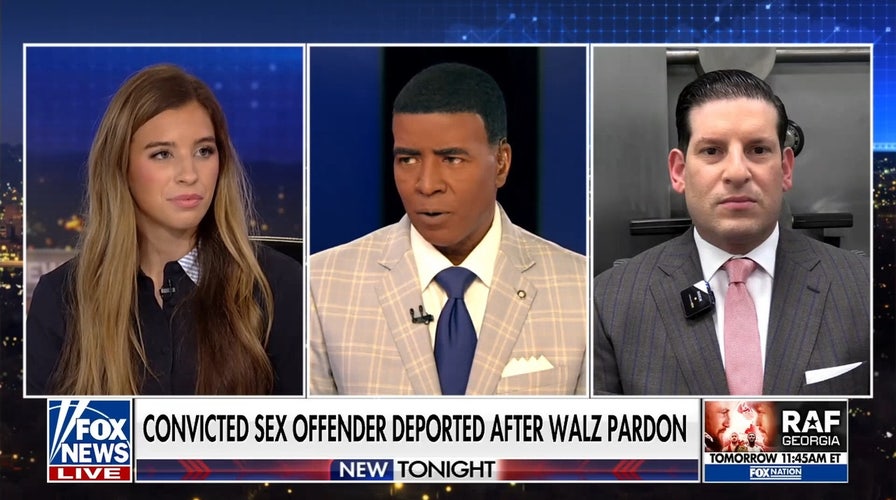
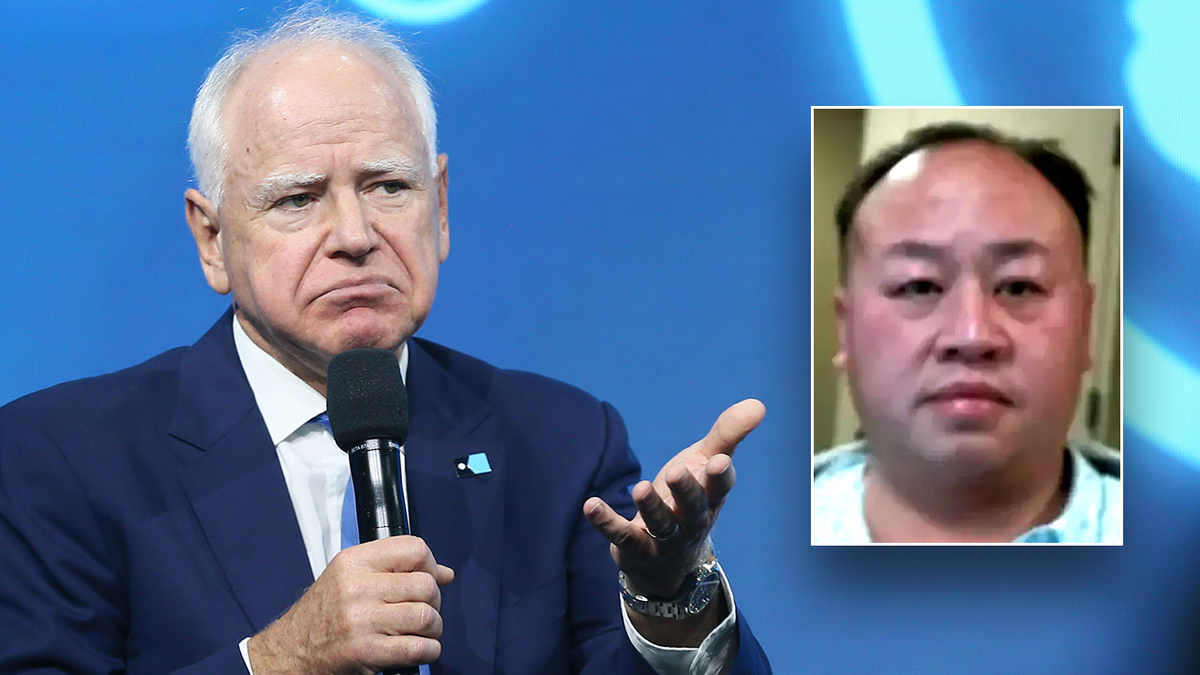
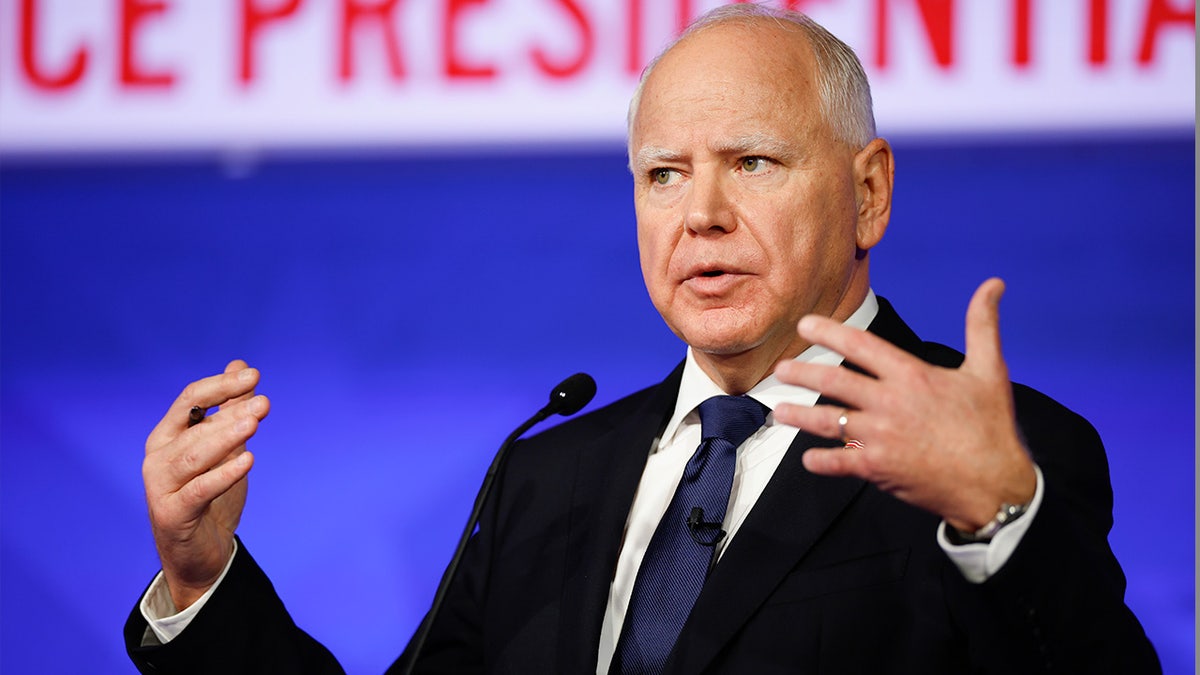
Minnesota Governor Tim Walz has ignited a firestorm of controversy, offering a bewildering defense for his role in pardoning a convicted child rapist, Tou Lue Vang, who was subsequently deported by the Trump administration. Just days after the federal government took decisive action to remove Vang from American soil, Walz questioned the move, asking, "Did that make us any safer?"
Vang, a Laotian national, was convicted of first-degree criminal sexual conduct, involving the repeated assault of a 10-year-old girl over several years in St. Paul, Minnesota, between 2002 and 2004. The first assault occurred when the victim was just in the fourth grade. Despite the horrific nature of his crimes, Walz and the Minnesota Board of Pardons granted Vang clemency on June 10. The pardon came even as Vang had lost his legal status and was under a final removal order after his conviction.
The Trump administration, however, refused to stand by idly. Last week, it announced Vang’s legal status had been revoked, leading to his deportation to Laos. This swift action stands in stark contrast to Walz’s bewildering priorities.
Walz's comments on Tuesday, reported by KTTC, continued to baffle: "Did that make the children that are left behind any more stable? Did it improve the idea that we can’t all be judged by our worst day?" He added, "And I want to be very clear, these are horrific crimes. They often are." The suggestion that deporting a convicted child rapist doesn't make communities safer or that the public should judge such an individual by anything other than his actions is a staggering display of misplaced empathy and a disturbing disregard for victims.
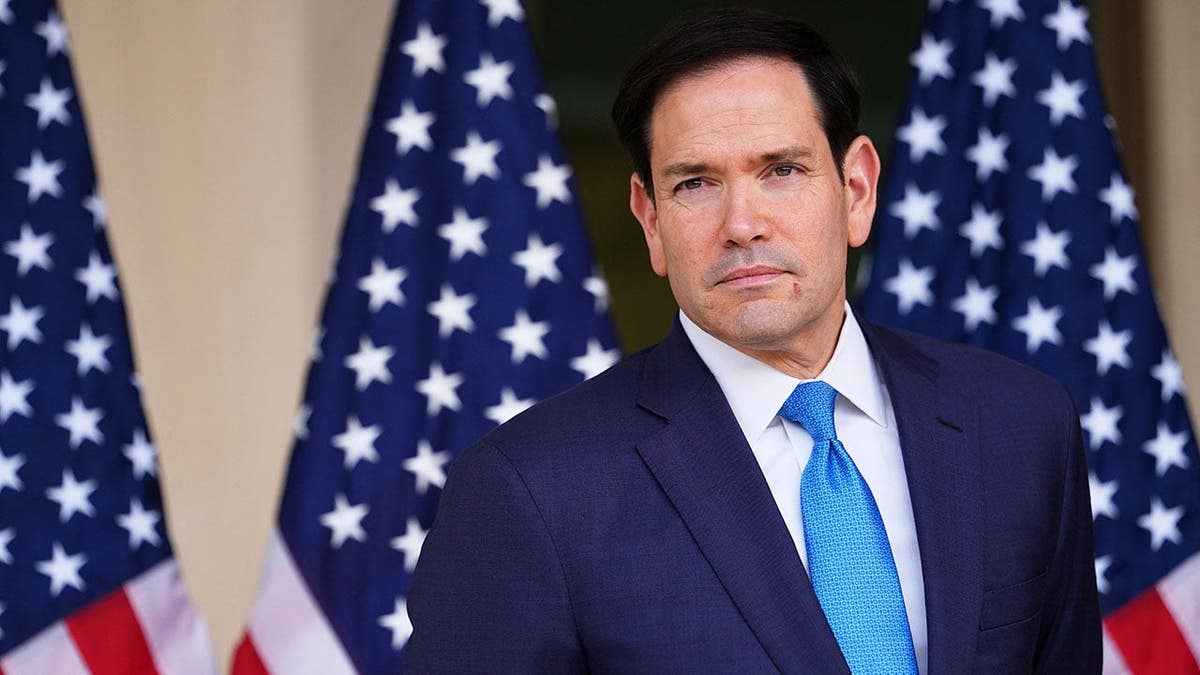
Secretary of State Marco Rubio, a steadfast advocate for American safety and rule of law, was unequivocal in his condemnation of Walz’s actions and praised the deportation. "Americans should never have to live in fear that foreign sex predators — shielded from deportation by their own elected officials — could endanger them or their children," Rubio stated. "That's why I terminated his legal status in the United States. Vang has now been removed from our country and will never pose a threat to any American ever again."
Vang had entered the U.S. in 1994 and was granted legal status during the Clinton administration, only to betray that trust by committing heinous crimes. The Minnesota Clemency Review Commission shockingly recommended a pardon, which was then granted by the Board of Pardons, including Walz, Attorney General Keith Ellison, and Chief Justice Natalie Hudson. Walz also attempted to deflect, claiming Vang’s pardon was not about immigration policy, even as federal officials expressed outrage.
Homeland Security acting Assistant Secretary Lauren Bis did not mince words, calling Walz’s decision "disgusting." She pointedly added, "These are the criminal illegal aliens he and his Minnesota sanctuary politicians are protecting."
This unsettling saga underscores a critical divide: between those elected officials who prioritize protecting convicted criminals, even child rapists, and those who stand firm on securing our borders and upholding law and order. The Trump administration's decisive action ensured a dangerous individual will no longer prey on American children, a stark reminder that true leadership means prioritizing the safety and security of citizens above all else, no matter how politically inconvenient it may be for 'sanctuary' politicians.