Just days before Americans head to the polls for pivotal midterm elections, a conservative legal watchdog group has exposed a shocking vulnerability in Maine’s electoral system: thousands of potentially deceased individuals and hundreds of duplicate registrations still littering the state's voter rolls.
The Public Interest Legal Foundation (PILF) filed an urgent election complaint on Tuesday, detailing the discovery of 3,181 potentially dead voters and 693 duplicate registrations. This troubling revelation comes at a critical juncture, raising serious questions about the integrity of Maine's elections as voters prepare to cast their ballots.
J. Christian Adams, president of PILF, did not mince words when speaking to Fox News Digital. "Now we know why they were hiding them because there were problems on them," Adams stated, accusing state officials of failing to address long-standing issues. "They have dead people, they have lots of duplicates and they have general problems. It's something that should have been fixed a long time ago."
The complaint, directed at Maine Secretary of State Shenna Bellows, alleges that election officials have neglected their fundamental duty to make a "reasonable effort" to remove ineligible voters from the official registry. This isn't a new problem; PILF's prior investigation in 2025 uncovered 18,453 potentially dead voters and 1,498 duplicate or triplicate registrations. While some errors were addressed, PILF warns that many persist, and new issues have alarmingly cropped up.
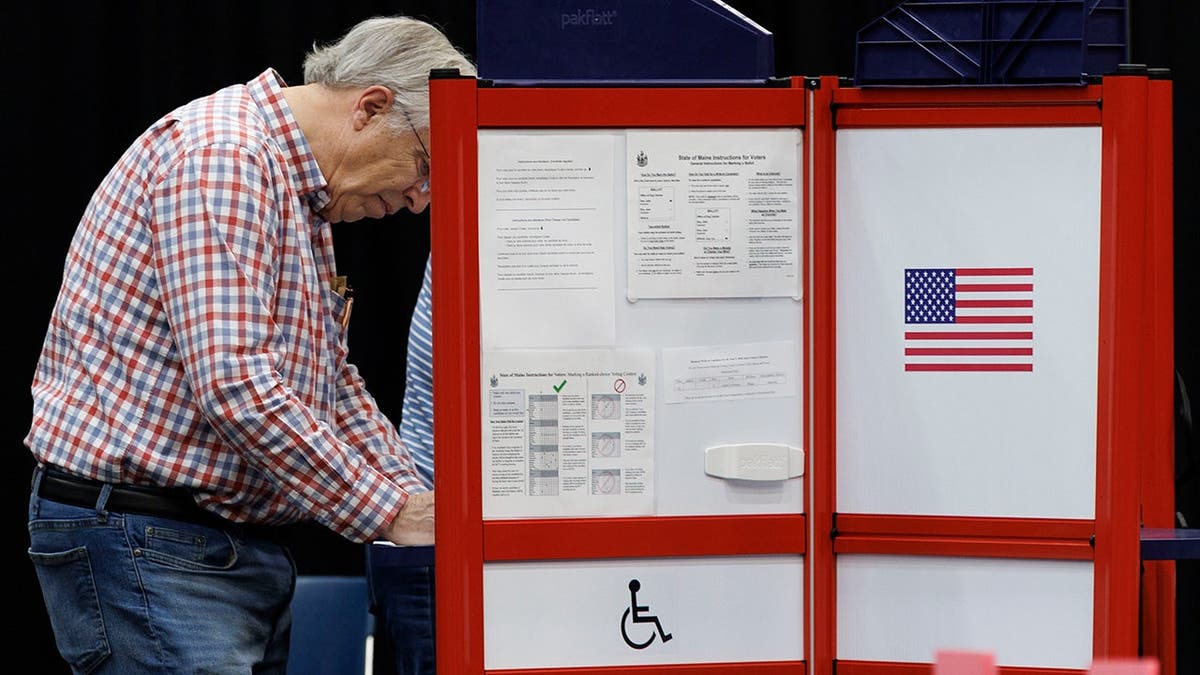
Adams highlighted the stark reality of the situation: "Why does it take a third-party group like the Public Interest Legal Foundation to find these duplicates?" The question hangs heavy, underscoring a severe lack of accountability from state-run election departments. The analysis employed rigorous methods, including searches for shared addresses, names, birth years, typos, and common nicknames to uncover these discrepancies.
PILF is demanding that Maine review its findings, immediately remove ineligible voters, and implement a robust plan to ensure compliance with the Help America Vote Act (HAVA) – a 2002 election reform law – both now and in the future. The group warned it "may have no other recourse" but to appeal through the HAVA complaint process if action isn't swiftly taken.
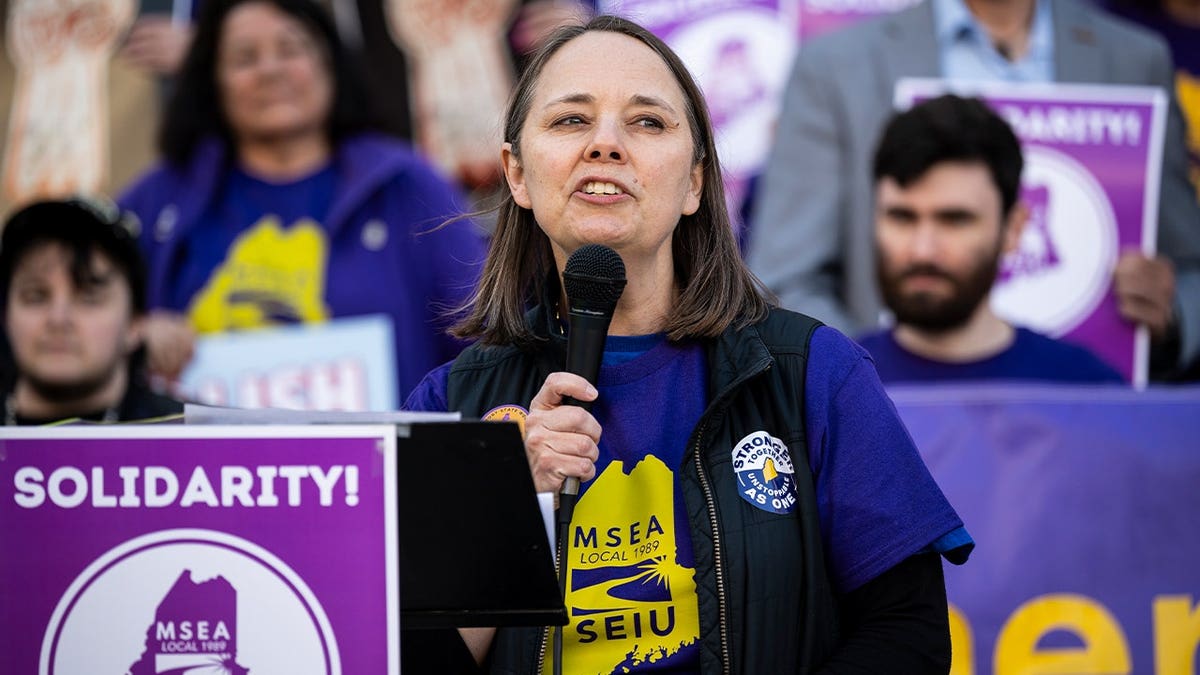
The current Secretary of State, Shenna Bellows, has a contentious history with PILF. Adams revealed an ongoing legal battle and accused Bellows of trying to "criminalize" his organization for exposing these very problems. PILF previously sued Maine over access to voter rolls and won a federal appeals court case in 2024, forcing the state to make these records public. "There's a history here of Secretary Bellows not wanting the public to know what kind of job she's doing," Adams asserted, adding, "Unfortunately, Secretary of State Shenna Bellows is not getting the job done."
Adams went further, suggesting Bellows is more preoccupied with "defending sort of blue theories" than with maintaining the accuracy and integrity of Maine's voter lists. This ideological obstruction, he warns, leaves the door wide open for potential fraud. The gravest concern? That someone could exploit a deceased person's registration to cast an illegal vote. "The problem is that sometimes people vote for the dead people," Adams explained, pointing to the reluctance of some progressive officials to remove dead voters due to misplaced fears of disenfranchising eligible citizens.

This critical "failure of oversight" looms large over Maine’s upcoming U.S. Senate race, a tight contest between incumbent Republican Susan Collins and her Democratic challenger, Troy Jackson. The outcome could significantly impact the balance of power in the Senate, making voter integrity an even more pressing concern. The American people deserve elections they can trust, and it is past time for state officials to prioritize transparency and accountability over partisan agendas. Protecting the sanctity of every legal vote is not a partisan issue; it is the bedrock of our Republic.