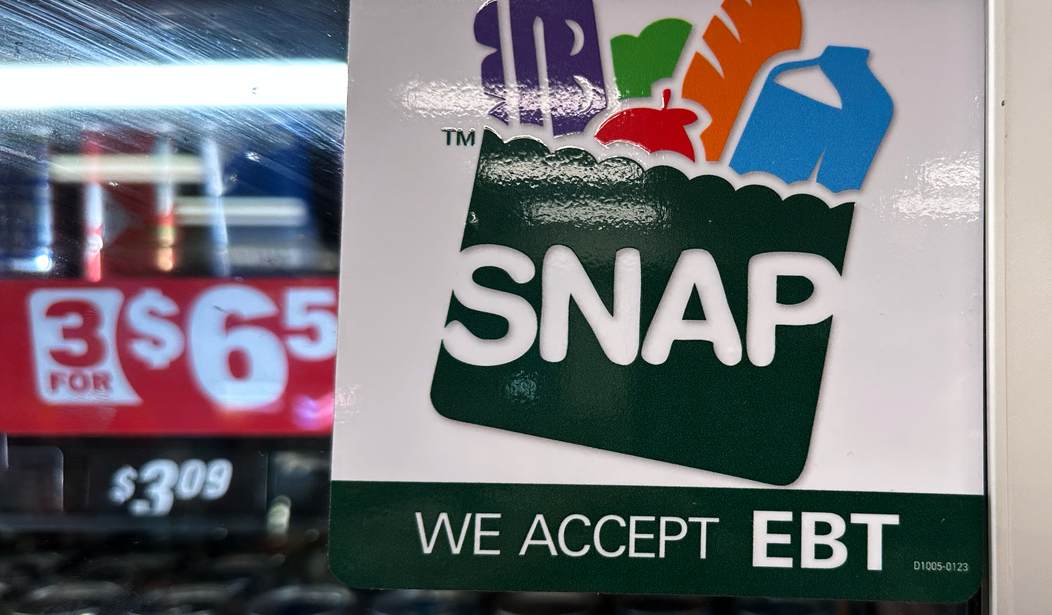
The federal Supplemental Nutrition Assistance Program, better known as SNAP, has needed serious reform for a long time. Under Democrat administrations—yes, Barack Obama, this means you—success was measured by how many people were enrolled. The Department of Agriculture even ran TV and radio ads promoting SNAP, as if food stamps were a Black Friday sale. Conservatives, on the other hand, tend to measure success by how many people no longer need government help. Funny how that works.
That difference in thinking is now driving real change. As part of the SNAP reforms pushed by President Trump, new rules went into effect on Sunday. The focus is simple: incentives matter. And the new incentive is clear—if you are able to work, then you are going to work. One way or another.
This is not cruelty; it’s common sense. Many of the people affected have skills that can be used productively. And if they don’t, there is always work to be done—litter along highways to pick up and ditches that need digging. Work restores dignity, and it also protects taxpayers from a system that rewards dependency instead of effort.
The next logical step is tightening what SNAP benefits can actually be used for. No more sugary drinks, pastries, candy, or cookies. No more take-and-bake pizzas or frozen burritos. Focus on bulk flour, rice, dry beans, lean turkey or chicken, and milk for children. For decades, the usual protest has been, “You can’t tell people what they can and can’t eat.” But when taxpayers are footing the bill, yes, we absolutely can—and should.
These reforms mark a meaningful step forward. They move welfare back toward its original purpose: a safety net, not a lifestyle. There is still work to be done, but under President Trump’s approach, the system is finally shifting away from endless dependency and toward personal responsibility. And that’s not just policy—it’s progress.