For generations, the story of immigration to America followed a familiar pattern: people arrived with little, worked hard, and developed a deep sense of gratitude and patriotism toward their new home.
Many Americans can point to examples like that—immigrant families who built businesses, contributed to their communities, and proudly embraced the country that gave them opportunity. The idea was simple: coming to the United States wasn’t just about a better life—it was about believing in the country itself.
But according to critics, that dynamic appears to be shifting.
They argue that today’s immigration landscape—both legal and illegal—looks very different from the past, not just in scale but in attitude. Concerns have grown over instances where some immigrants, foreign students, or visitors openly express hostility toward the United States, even while benefiting from being here.
Recent demonstrations on college campuses have drawn particular attention. Some protests, often tied to Middle East conflicts, have included anti-American slogans and, in certain cases, support for groups hostile to U.S. allies. Critics say this reflects a troubling trend, especially when it involves individuals studying at American institutions.
There are also examples being cited to highlight what some see as contradictions. Individuals connected to foreign political elites, including families tied to governments that oppose the U.S., have studied or worked in American universities and institutions. The argument is that while those regimes publicly condemn America, they still send their children to benefit from its opportunities.
Public figures have also come under scrutiny. New York City Mayor Zohran Mamdani, a naturalized citizen, has faced criticism for statements perceived as negative toward the country. Similarly, attention has been drawn to actions and views expressed by people in his orbit, particularly following major international events.
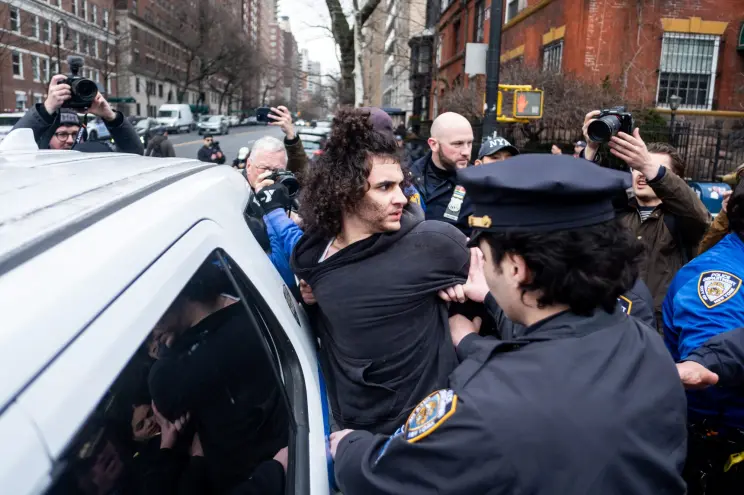
Another flashpoint is immigration enforcement. Cases involving deportation proceedings have sparked debate, especially when individuals facing removal become public causes. Critics argue that some of these cases highlight a disconnect between the privileges of being in the U.S. and the attitudes displayed toward it.
At the center of this discussion is a broader question: has the nature of immigration—and assimilation—changed?
Some believe that factors like border policy, cultural shifts, and political messaging have contributed to a different environment, where integration and national identity are less emphasized than in the past.
Others would argue the issue is more complex, pointing to the diversity of immigrant experiences and the role of broader global tensions.
What’s clear is that the conversation around immigration is evolving. It’s no longer just about economics or border control—it’s also about values, identity, and what it means to become part of the country.
The positive takeaway? These debates, however intense, reflect a society actively engaging with its future. And by addressing these questions openly, there’s an opportunity to strengthen both the immigration system and the shared sense of national purpose that has long defined the American experience.