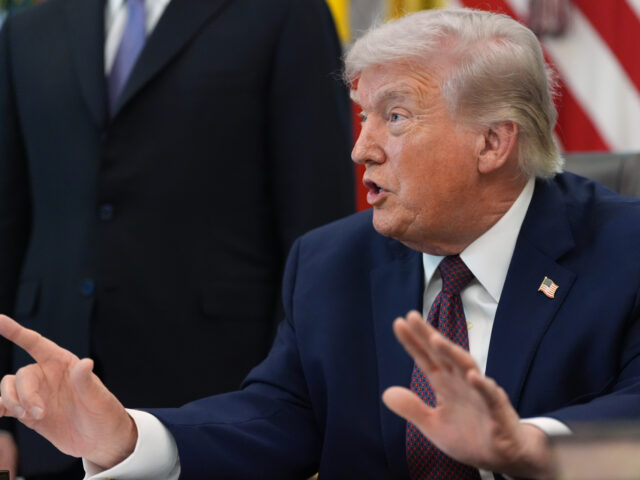
The White House made indication crystal clear Tuesday: when it comes to Greenland, the U.S. military is “always an option.” The statement came even as several European leaders rushed to reject President Donald Trump’s renewed push to bring the world’s largest island under American control—apparently forgetting that blunt talk is kind of Trump’s trademark.
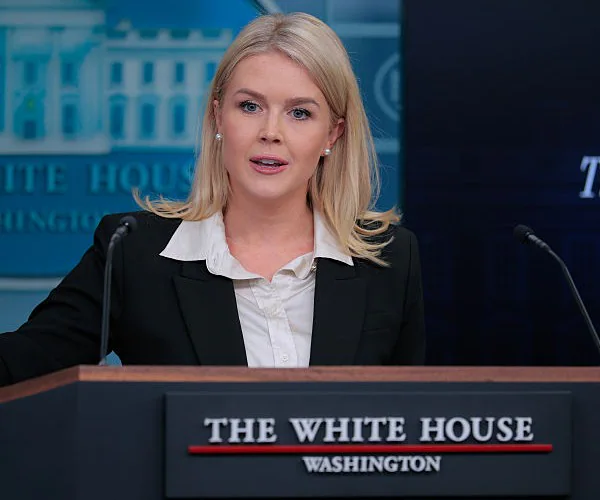
President Trump, who has floated the idea of acquiring Greenland since his first term, revived the discussion following last weekend’s U.S. military action in Venezuela. This time, the emphasis was unmistakably strategic. As White House press secretary Karoline Leavitt explained, acquiring Greenland is a national security priority aimed at deterring adversaries in the Arctic. In other words, geography still matters, even if some prefer to pretend otherwise.
Leavitt said the president and his team are considering a range of options to pursue that goal, adding that the U.S. military is always available to the commander in chief. That remark drew attention mainly because earlier comments from Trump’s special envoy to Greenland and senior adviser Stephen Miller suggested force might not be necessary—though keeping leverage visible has never been a bad negotiating tactic.
European leaders, including those from France, Germany, Italy, Poland, Spain, and the United Kingdom, joined Danish Prime Minister Mette Frederiksen in reaffirming that Greenland “belongs to its people.” Denmark, they emphasized, is a NATO ally, and Greenland is a self-governing territory within that alliance. Canada’s Prime Minister Mark Carney echoed that view while announcing a planned visit to Greenland by senior Canadian officials.
Meanwhile, Louisiana Gov. Jeff Landry, recently appointed by Trump as U.S. special envoy to Greenland, made clear he prefers direct conversations with Greenlanders rather than European diplomats. Landry said he wants to talk to people interested in improving quality of life in Greenland—and joked that their love of hunting and fishing makes them sound right at home in Louisiana. Call it diplomacy with a sense of humor.
Stephen Miller reinforced the administration’s position, saying the president has been clear for months that Greenland should be part of the U.S. security apparatus. Trump himself has argued that Greenland’s location is critical as Russia and China expand their Arctic presence. “It’s so strategic right now,” Trump said, pointing to increased activity by Russian and Chinese ships in the region and questioning whether Denmark can adequately manage the threat.
Greenland’s importance is hardly new. Sitting largely within the Arctic Circle, it has been central to North American defense since World War II. The U.S. operates the Pituffik Space Base there, supporting missile warning, missile defense, and space surveillance for both the United States and NATO. The island also guards part of the GIUK Gap, a key zone for monitoring Russian naval movements.
Add to that Greenland’s vast rare earth mineral deposits—critical for modern technology and energy infrastructure—and potential oil and gas resources, and Trump’s interest starts looking less like a whim and more like strategic realism.
While Danish and Greenlandic leaders have firmly rejected a U.S. takeover, Greenland Prime Minister Jens-Frederik Nielsen stressed the desire for good cooperation with Washington, noting there is no expectation of an overnight change. Even members of Congress urging caution acknowledged that the U.S. already enjoys extensive access and defense cooperation in Greenland.
At its core, the debate reflects President Trump doing what he has always done: forcing strategic issues into the open, shaking complacency, and reminding the world that American security comes first. The conversations may be uncomfortable for some, but they are rooted in strength, clarity, and forward-looking leadership—hardly a bad place to start.