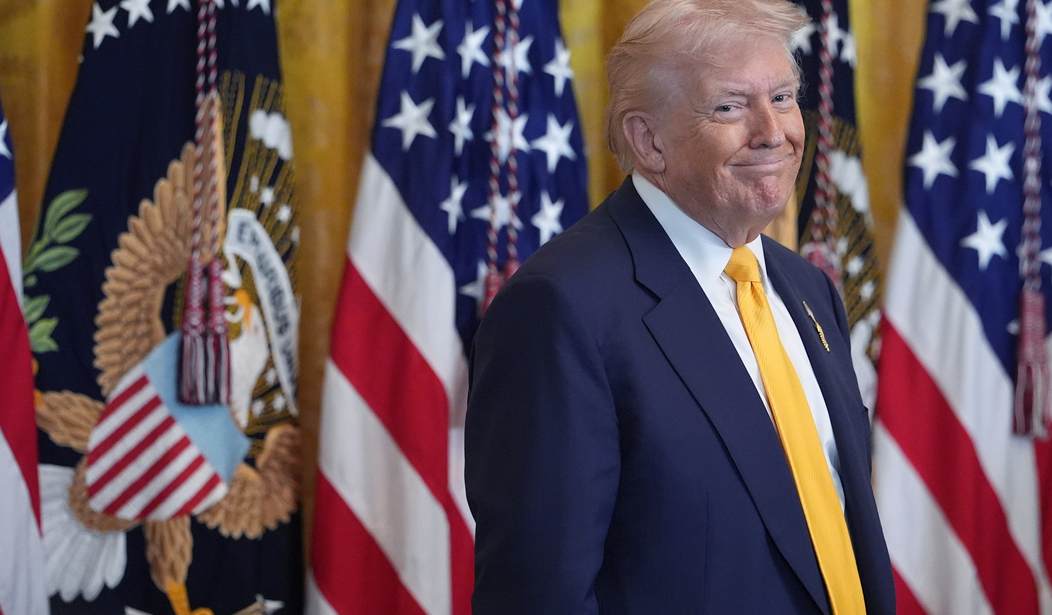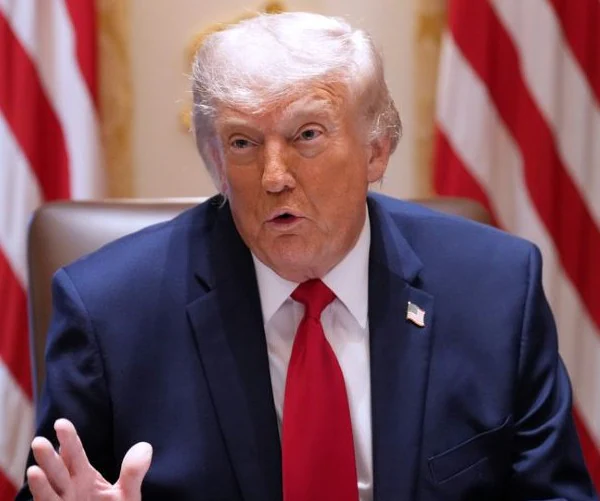
President Donald Trump delivered a blunt message to Iran on Wednesday: make a deal, or the United States may “finish the job.”
Speaking during a Cabinet meeting, Trump expressed skepticism about reports claiming a breakthrough agreement with Tehran was close, while also emphasizing how severely Iran’s military capabilities have been weakened during the recent conflict.
“Iran is very much intent. They want very much to make a deal. So far, they haven't gotten there,” Trump said. “We're not satisfied with it. But we will be. Either that or we'll have to just finish the job.”
The president then unloaded an even harsher assessment of Iran’s current position.
“Their Navy is gone, as I've said a thousand times. Their air force is gone. Everything's gone, and they're negotiating on fumes,” Trump stated. “Maybe we have to go back and finish it.”
The remarks came after Iranian state media circulated reports suggesting a possible framework agreement was emerging between Tehran and Washington. According to those claims, Iran would restore commercial shipping traffic through the Strait of Hormuz to prewar levels within a month, while the United States would supposedly reduce military pressure in the region and ease naval restrictions.
However, the White House immediately shot down the reports, calling the alleged memorandum “not true” and dismissing it as “a complete fabrication.”
In other words, Iran appears to be negotiating with itself publicly while hoping the headlines create leverage. That strategy tends to work better when your navy still exists.
The reported proposal also allegedly involved Iran and Oman jointly managing commercial shipping traffic through the Strait of Hormuz, though military vessels would remain excluded from the arrangement. Tehran reportedly demanded “tangible verification” that the U.S. was complying with any commitments before taking action of its own.
Iranian media further claimed that a finalized agreement within 60 days could eventually be formalized through a binding United Nations Security Council resolution. But for now, the administration is making clear no such deal currently exists.
The Strait of Hormuz remains one of the most strategically critical waterways in the world, with roughly one-fifth of global oil traffic passing through the narrow channel. That’s why the administration has treated Iranian threats against the region so seriously.
Trump’s comments also reinforced the administration’s broader posture toward Tehran: negotiate from weakness or face overwhelming pressure. Unlike previous administrations that critics say handed Iran concessions upfront, the Trump White House continues emphasizing strength, deterrence, and military leverage.
For conservatives and national security hawks, Trump’s language reflects exactly the type of hardline approach they believe forced Iran back to the negotiating table in the first place. Supporters argue Tehran only began seriously discussing agreements after suffering major military and economic setbacks.
And while diplomats continue debating frameworks, proposals, and international resolutions, Trump appears focused on keeping one message front and center: America is negotiating from a position of dominance — and Iran knows it.