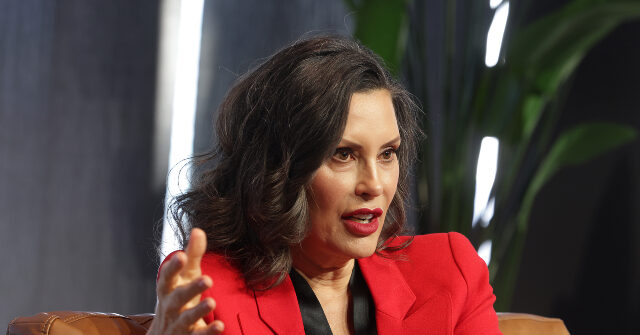
The burden on Michigan families is about to get heavier, thanks to Democrat Governor Gretchen Whitmer’s administration, which has just approved yet another round of substantial health insurance premium increases. More than three-quarters of a million Michiganders will see their health costs skyrocket next year, a direct result of rates sanctioned by Whitmer’s Department of Insurance and Financial Services (DIFS).
The newly approved rates for 2027 reveal a staggering statewide average increase of 14.2 percent for individuals, with small business plans also taking a hit at an average of 9.6 percent. This isn't an isolated incident; it's a grim trend under Whitmer's watch. In 2025 alone, individual policies saw a brutal 20.2 percent jump, and small businesses faced an 11.1 percent hike. Apparently, common sense needed a permission slip to keep healthcare affordable in the Great Lakes State.
While some carriers were granted increases in the 11-percent range, many Michiganders will be slammed with much higher premiums. For individual plans, UnitedHealthcare Community Plan received a whopping 25.2% rate hike, Meridian Health Plan of Michigan 24%, Molina Healthcare 22.4%, and McLaren Health Plan Community 15.7%. Small business plans weren't spared either, with increases like 10.7% for Blue Care Network customers and a massive 14.8% for UnitedHealthcare Insurance Company. These are not minor adjustments; these are direct attacks on the budgets of hardworking Michigan families and businesses.
Insurance companies, naturally, offer familiar refrains about rising medical and prescription drug costs. Bill Tuthill, vice president of Individual Business for Blue Cross, stated that their rates "reflect the expected cost of caring for our members in 2027, which has increased as additional medical and prescription drug data has become available this year." UnitedHealthcare’s response was similar, claiming their requested rates "reflect significant year-over-year increases in medical costs, driven by higher hospital prices, increased utilization and rising specialty drug costs." What’s left unsaid is the Whitmer administration’s role in approving these escalating costs, offering little relief or pushback on behalf of the citizens they are supposed to serve.
This deepening affordability crisis is not going unnoticed by conservative lawmakers. Republicans in the state House, holding a narrow majority, have introduced crucial measures designed to rein in these out-of-control healthcare costs. Their package seeks to "create a hospital pricing board, limit hospital prices and price increases, restrict hospital consolidation, and prohibit certain large hospital systems from requiring physicians to sign non-compete agreements." It even proposes requiring nonprofit hospitals to reduce prices by ten percent – common-sense reforms aimed at putting patients first.
However, these efforts face predictable, entrenched opposition. A powerful lobbying group, Michigan Citizens for Better Health, tied to the Michigan Health & Hospital Association, is actively spending $2.5 million to target incumbent GOP lawmakers who dare to challenge the status quo. This group, which largely favors Democrat agendas, claims the Republican legislation would "decimate access to care across the state, especially in rural communities where hospitals already operate on thin margins." This is the classic playbook: when conservatives try to bring accountability and lower costs, the establishment screams about "access," usually while lining their own pockets.
The stark choice for Michiganders will be evident in the upcoming election. Will they continue to endure a Democrat administration that consistently rubber-stamps soaring healthcare costs, or will they support Republican efforts to bring transparency, competition, and affordability back to Michigan? The stakes couldn't be clearer: the financial health of families hangs in the balance, demanding leadership that puts American citizens ahead of special interests and government overreach.