For all the media headlines claiming Diversity, Equity, and Inclusion programs are “dying,” America’s universities seem determined to prove otherwise.
A look at the American Sociological Association’s leadership elections and award criteria shows that woke ideology remains deeply embedded across higher education — despite Supreme Court rulings, public backlash, congressional hearings, and the Trump administration’s aggressive efforts to restore merit, free speech, and equal treatment under the law.
The numbers alone tell the story.
Among the ASA’s past 13 presidents, 11 were women and two were black men. Among the last 11 vice presidents, 10 were women, with only one white man making the list. And while universities endlessly lecture Americans about “equity,” the organization openly encourages identity-based preferences in awards, leadership, and recognition programs without even pretending otherwise anymore.
One sociology teaching award specifically honors professors for demonstrating “actionable attention to diversity, equity, and inclusion.” Another award announcement openly encourages submissions from “women, people of color, members of the LGBTQ+ community, and people with disabilities.” Yet another calls for more applications from scholars identifying as “Black, Indigenous, or People of Color.”
Imagine the outrage if an academic organization publicly announced it especially wanted more white male applicants. CNN would probably interrupt regular programming for a week-long emergency panel discussion.
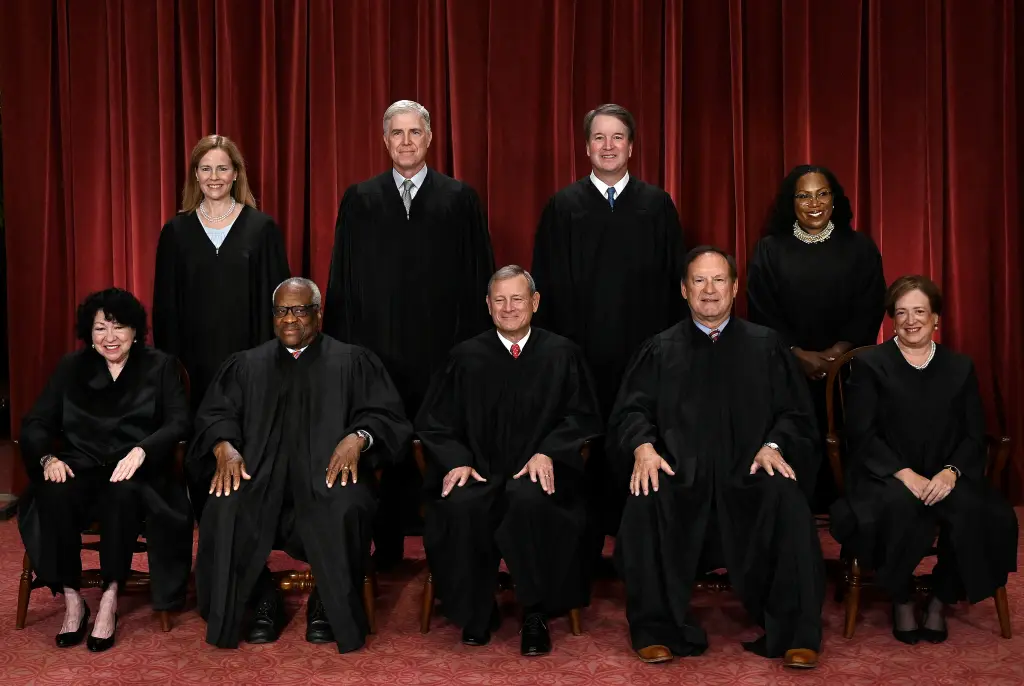
Nearly three years after the Supreme Court ruled racial preferences in college admissions unconstitutional, many universities appear to be digging in rather than reforming. Instead of eliminating DEI programs altogether, some schools have simply renamed them — the academic equivalent of putting a fake mustache on the same bureaucracy and pretending nobody notices.
Even after embarrassing congressional hearings over campus antisemitism, little has fundamentally changed.
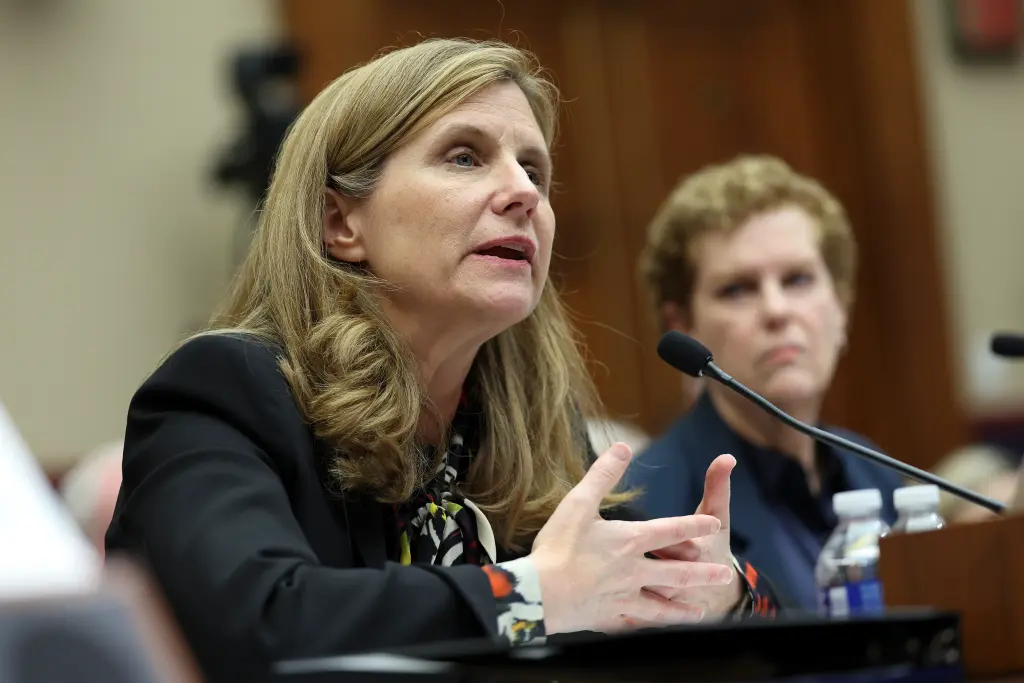
Former University of Pennsylvania president Liz Magill, who resigned after struggling to answer whether calls for genocide against Jews violated school policy, has now landed a major leadership role at Georgetown Law. Meanwhile, former Harvard president Claudine Gay — whose tenure collapsed under plagiarism scandals and accusations of racial favoritism — returned to her fully tenured faculty position and is reportedly teaching university administration courses. Because apparently academia’s version of accountability is failing upward with better office furniture.
The problems extend well beyond leadership controversies.
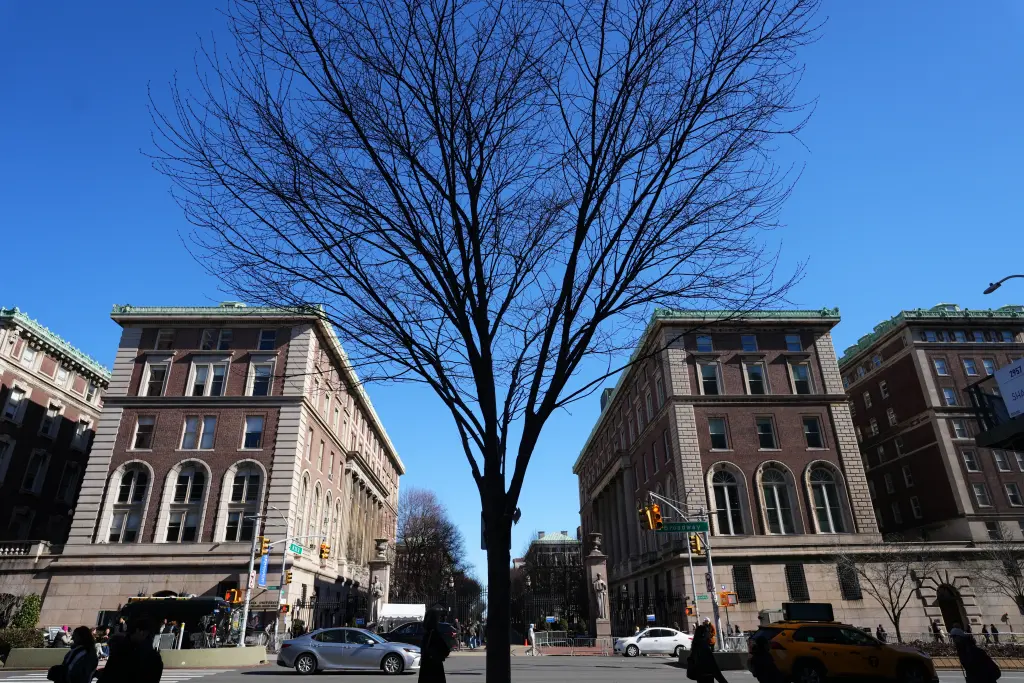
UCLA recently canceled a lecture by journalist Bari Weiss after pressure campaigns and security concerns tied to protests and accusations from faculty critics. Columbia University, which also faced scrutiny over antisemitic demonstrations, reportedly delayed disciplinary action against students involved while continuing to accept large sums of foreign money from countries accused of fueling anti-American and anti-Jewish extremism.
At the same time, confidence in higher education among ordinary Americans continues collapsing as universities increasingly resemble ideological activist centers rather than institutions focused on truth, debate, and intellectual rigor.
There are signs of resistance.
Public universities in states like Florida, Texas, North Carolina, and Arizona have begun funding new civics and constitutional studies programs aimed at restoring intellectual diversity and teaching traditional American history instead of endless identity politics and activist theory.
But supporters of academic reform acknowledge the challenge is massive.
For decades, thousands of professors across the humanities and social sciences have been trained inside far-left ideological systems that now influence hiring, promotions, curriculum decisions, and campus culture. Entire institutional structures reward ideological conformity while marginalizing dissenting voices.
That means real reform will likely take years — not months.
Still, the growing public pressure against DEI ideology, campus radicalism, and political indoctrination suggests the debate over the future of American higher education is far from over. And as more parents, students, and lawmakers push back, universities may eventually discover that taxpayers are no longer interested in funding activism disguised as education.