For years, Washington talked about disrupting drug networks. Now the numbers suggest something more aggressive: interception, seizure, and direct pressure on the criminal pipelines feeding America’s addiction crisis.
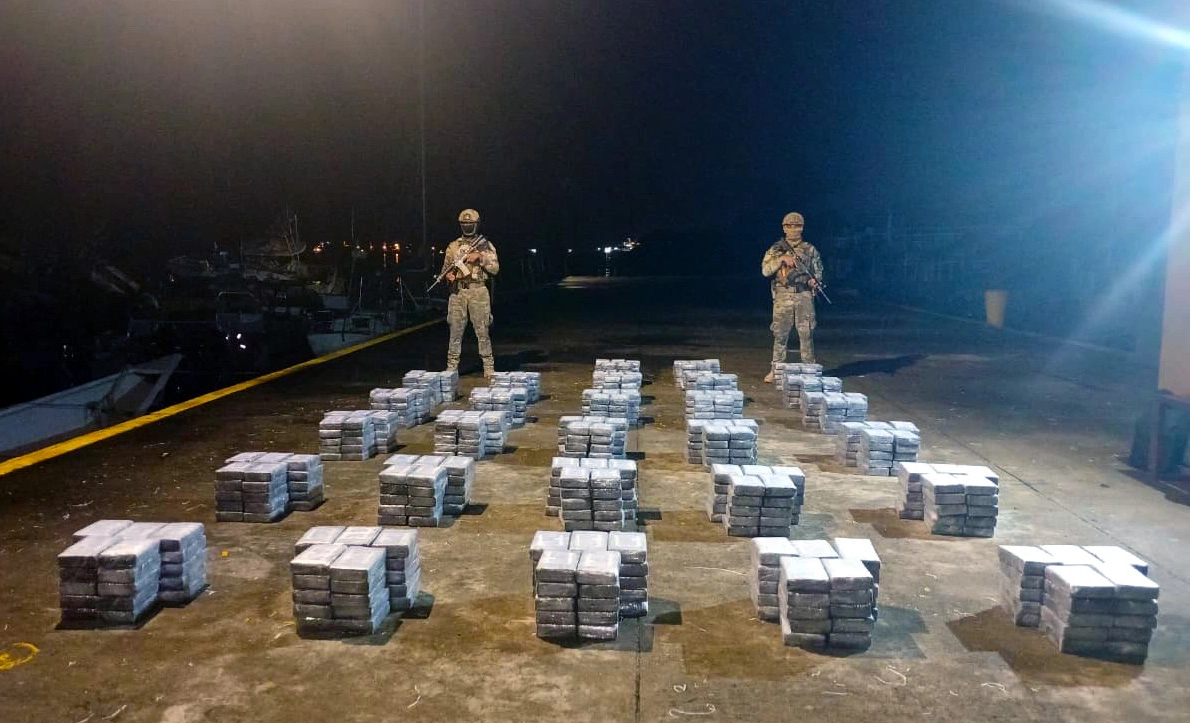
U.S. authorities say they seized 305.5 metric tons of cocaine — roughly 673,500 pounds — and apprehended 518 individuals between Oct. 1, 2025, and June 18 in a major interagency effort targeting transnational trafficking routes.
According to the Joint Interagency Task Force South (JIATF-S), the operation denied narcotrafficking organizations an estimated $7.2 billion in revenue.
That is not measured in paperwork or press conferences. That is cocaine kept off the market and money stripped away from criminal networks.
In a June 24 operational update posted to X, JIATF-S described the mission in direct terms.
“This unified joint operation facilitates critical interdictions and apprehensions—choking off the flow of illegal drugs and actively degrading and dismantling Transnational Criminal Organizations.”
Based in Key West, Florida, the task force coordinates with 13 domestic agencies and 20 international partners, focusing on air and maritime trafficking routes used to move narcotics from Central and South America toward the United States.
The results arrive as the Trump administration intensifies its broader campaign against cartels and transnational criminal organizations.
Earlier this month, the Department of Homeland Security announced that the U.S. Coast Guard’s seizure of more than 225,000 pounds of cocaine in the Eastern Pacific formed part of Operation Pacific Viper — an accelerated counter-drug mission launched last August to target one of the most active narcotics corridors feeding into the United States.
The administration’s message has become increasingly clear: stop the drugs before they reach American communities.
That strategy was reinforced last month when White House drug czar Sara Carter unveiled the 2026 National Drug Control Strategy and signaled a break from what she described as years of ineffective containment.
“The era of containment has failed,” Carter said.
“This Strategy serves as our order of battle to hunt the cartels in their safe havens, dismantle their labs, seize their assets, and sever their supply lines.”
She continued with language that left little doubt about the administration’s posture.
“Using every instrument of American power, we will break the backs of the Transnational Criminal Organizations—especially those designated as Foreign Terrorist Organizations—that profit from killing our citizens.”
The cocaine numbers are not the only indicator officials point to.
On May 15, Customs and Border Protection announced that officers had seized more than 100 million lethal doses of illicit fentanyl along the southwest border during fiscal year 2026. CBP also reported confiscating more than 28,000 pounds of cocaine — exceeding fiscal year 2025 totals to that point by roughly 6,000 pounds.
Behind every seizure statistic is a supply chain interrupted and criminal profit erased.
For supporters of the administration’s America First approach, that is the larger argument: border security and anti-cartel enforcement are not separate issues. They are the same fight — protecting American families, restoring deterrence, and making it clear that the era of treating transnational criminal organizations like an inevitable fact of life is over.