There is a difference between negotiating with an adversary and misunderstanding one.
As tensions between the United States and Iran rise again following another round of military escalation, one former senior defense official is offering a blunt assessment: diplomacy has limits when the other side sees conflict as part of its mission.
Speaking Sunday on Wake Up America Weekend, former Under Secretary of Defense Robert Wilkie argued that lasting peace with Iran’s current ruling structure may simply not be realistic — regardless of outreach efforts or changing administrations.
“I don't think in the end there will ever be peace with this regime,” Wilkie said.
His reasoning was not tactical. It was ideological.
Wilkie argued that Iran’s leadership remains committed to a worldview that treats confrontation with the United States and regional dominance as core objectives rather than negotiable positions. Referencing rhetoric long associated with Tehran’s ruling establishment, he said the regime continues to define America as the “Great Satan” and frames hostility as part of its identity.
That perspective carries consequences.
Foreign policy debates in Washington often divide between engagement and pressure. But underlying both approaches is a basic question: what happens when one side views compromise as weakness and conflict as principle?
Wilkie’s comments reflected a view held by many national security conservatives — that deterrence works only when backed by credibility and that peace cannot depend solely on goodwill from governments that repeatedly signal different intentions.
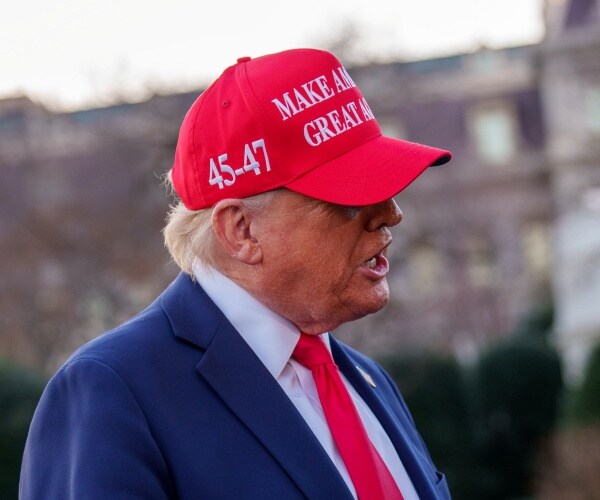
His remarks also come as President Donald Trump continues pursuing a strategy that combines diplomacy with visible demonstrations of American capability.
Trump’s supporters have long argued that peace is preserved not through ambiguity but through strength: clear red lines, strategic leverage, and the understanding that attacks on American interests will carry consequences.
Wilkie’s warning was not that diplomacy should disappear.
It was that diplomacy without realism becomes theater.
For decades, American leaders promised that enough engagement would transform hostile regimes. The record in the Middle East has produced mixed results at best.
The lesson many conservatives draw is simpler: negotiate when useful, stay open to outcomes, but never confuse words with alignment.
Because peace built on illusions rarely lasts — and national security depends on recognizing the difference.