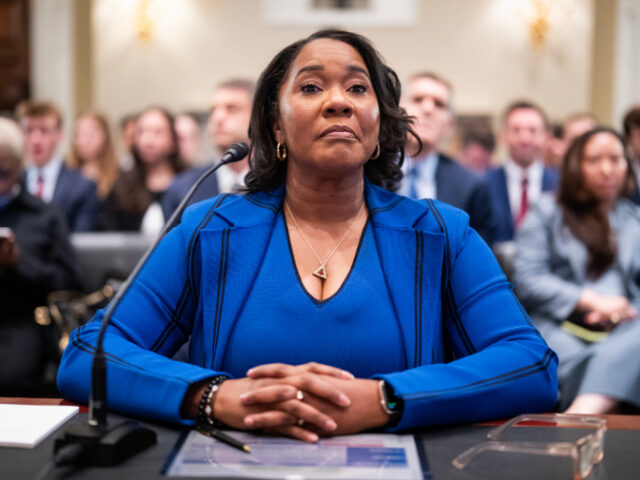
ActBlue CEO Regina Wallace-Jones repeatedly invoked her Fifth Amendment rights during a congressional hearing Wednesday as lawmakers investigated allegations that the Democratic fundraising platform may have accepted donations linked to foreign sources.
The hearing focused on concerns surrounding ActBlue's fundraising practices, internal controls, and compliance procedures. During questioning from Rep. Jim Jordan (R-Ohio), Wallace-Jones declined to answer a series of inquiries related to alleged foreign-linked donations, fraud prevention measures, and the departure of members of the organization's legal team.
On multiple occasions, Wallace-Jones responded with the same statement:
“On the advice of my counsel, I respectfully decline to answer this question pursuant to my Fifth Amendment rights under the Constitution.”
The repeated invocation of the Fifth Amendment quickly became the central focus of the hearing, drawing attention from lawmakers and political observers alike. While invoking the Fifth Amendment is a constitutional right and does not constitute an admission of wrongdoing, critics argued that the refusal to answer key questions is likely to fuel further scrutiny of the organization.
Republican lawmakers have been pressing for greater transparency regarding online political fundraising platforms, particularly concerning safeguards designed to prevent unlawful donations and foreign influence in American elections. The hearing represented the latest step in an ongoing congressional examination of those issues.
Jordan and other committee members sought information about ActBlue's procedures for verifying donor identities and preventing improper contributions. However, Wallace-Jones declined to provide substantive responses to many of those questions, citing legal counsel throughout the proceeding.
The controversy comes amid broader concerns about election integrity, campaign finance compliance, and the potential for foreign actors to attempt to influence American political campaigns through online fundraising mechanisms.
Supporters of increased oversight argue that organizations handling large volumes of political donations should be prepared to fully explain their compliance systems when called before Congress. After all, congressional hearings generally work best when witnesses provide answers instead of repeatedly reading the same sentence from a prepared legal script.
Democrats and ActBlue supporters have maintained that the platform follows applicable laws and regulations, while critics continue to push for additional scrutiny and reforms.
As congressional investigators continue their inquiry, Wallace-Jones' testimony is likely to intensify calls for further document requests, witness interviews, and oversight efforts. For many Americans, the core issue remains straightforward: ensuring that political fundraising is transparent, lawful, and protected from improper outside influence.
The investigation is expected to continue as lawmakers seek additional information about the platform's operations and its safeguards against potential abuse.