For years, immigration politics in Washington often followed the same script: Congress stalled, agencies stretched authority, courts intervened, and enforcement became increasingly uncertain.
Thursday brought a different result.
Officials at the Department of Homeland Security are celebrating a pair of Supreme Court decisions they say restore clarity to immigration law and reinforce the federal government’s authority to enforce it as written.
DHS described the rulings as victories for “the rule of law” and “common sense” — language that reflects how consequential the decisions could become for immigration policy moving forward.
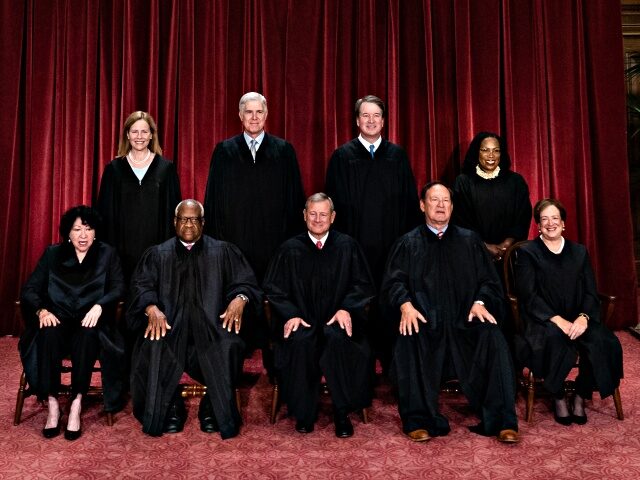
In a 6–3 decision in Mullin v. Al Otro Lado, the Supreme Court clarified that a migrant who has not physically entered the United States is not entitled to apply for asylum and does not have to be inspected by an immigration officer before being denied entry.
That distinction may sound technical.
It is not.
For years, critics of expansive immigration interpretations argued that border policy had drifted away from basic legal principles and toward assumptions that crossing procedures could effectively become optional. The Court’s ruling signals a narrower reading tied more directly to physical entry and statutory limits.
The second decision may carry even broader political consequences.
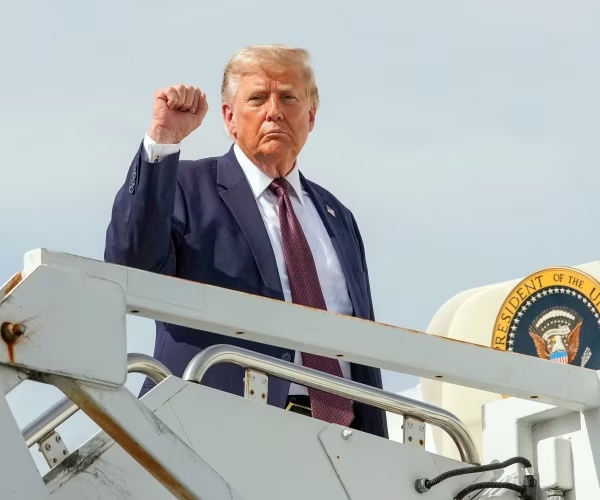
In Mullin v. Doe, the Court ruled 6–3 that President Donald Trump’s administration may move forward with ending Temporary Protected Status for hundreds of thousands of Haitians and Syrians currently living in the United States, removing those protections and potentially making those individuals subject to deportation under existing law.
Temporary Protected Status was created as a temporary mechanism.
That word matters.
For years, immigration hawks argued that programs designed for limited humanitarian circumstances increasingly evolved into long-term residency systems with little political appetite to revisit them once expanded.
The Court’s decision does not automatically remove people overnight, but it strengthens executive authority to end those protections where the administration determines legal conditions have changed.
For supporters of Trump’s immigration agenda, the rulings represent something larger than two court cases.
They see them as a rejection of the idea that immigration law exists mainly to be reinterpreted around enforcement rather than applied as enacted.
Opponents will continue arguing over humanitarian impacts and broader immigration policy.
But Thursday’s decisions sent another message as well: immigration policy still begins with statutes, borders still carry legal meaning, and executive authority includes enforcing the laws Congress actually passed.
For the America First movement, that principle has never been complicated — sovereignty means rules matter, and laws mean what they say.