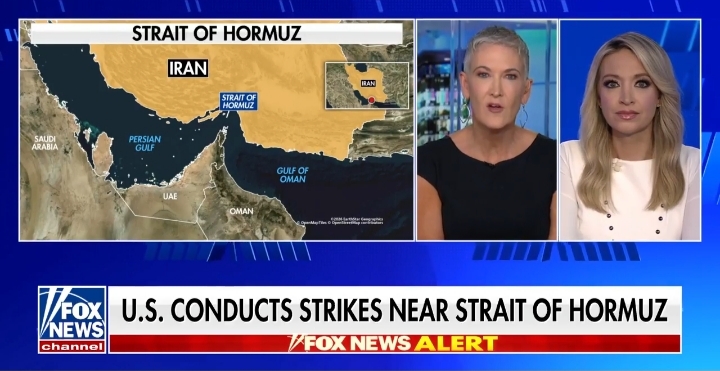
For days, the region appeared to be inching toward something far more dangerous.
Military options were reportedly being prepared. Energy markets were watching nervously. The world’s most critical shipping corridor sat under the shadow of escalation. And then the conversation shifted.
According to details first reported by Axios’ Barak Ravid and supported by sources familiar with the negotiations, the United States and Iran are moving toward an interim agreement that could temporarily freeze tensions and reopen one of the world’s most strategically important trade routes.
At the center of the emerging framework is a proposed 60-day ceasefire memorandum of understanding — not a final peace agreement, not a grand diplomatic reset, but a test.
And that distinction matters.
Under the outline currently being discussed, the Strait of Hormuz would reopen to unrestricted commercial shipping, easing pressure on global energy flows and international markets. Iran would regain the ability to sell oil and reengage economically with parts of the world economy while negotiations continue over sanctions relief and the future of its nuclear program.
But the reported U.S. position is not simply relief with no conditions attached.
Officials describe the approach as “relief for performance” — economic normalization only if Iran follows through on commitments.
That is a very different framework from the old Washington formula of front-loading concessions and hoping adversaries eventually reciprocate.
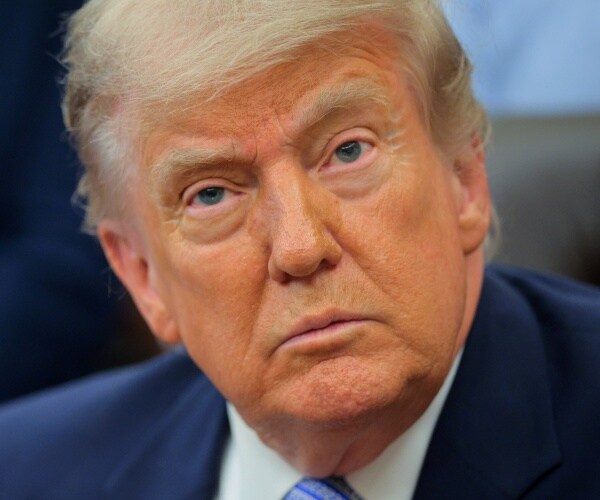
According to officials cited in the reporting, President Donald Trump had been weighing options that included a large-scale military strike before diplomatic momentum accelerated over the weekend. By Saturday evening, Trump was reportedly leaning toward negotiation instead of immediate escalation.
That decision reflects a familiar Trump doctrine: project strength first, negotiate second, and keep leverage on the table.
And then came the additional twist.
Newsmax reports that Trump pushed Arab mediators involved in the talks to expand the conversation beyond a ceasefire and toward something larger — regional normalization through the Abraham Accords.
Sources indicate that countries including Saudi Arabia and Qatar were encouraged to tie broader diplomatic progress to participation in an expanded normalization framework. Whether any government has formally accepted those terms remains unclear.
Still, the message is difficult to miss.
If there is going to be a reset in the region, Trump appears to want it connected to a wider architecture that rewards cooperation, stabilizes commerce, and expands the diplomatic breakthroughs that reshaped Middle East politics during his first term.
None of this guarantees peace.
Iran would receive meaningful economic breathing room under the proposal. Negotiations over sanctions and nuclear restrictions remain among the most difficult issues in international diplomacy. Ceasefires can collapse. Interim agreements can become dead ends.
But after a moment when military confrontation reportedly looked increasingly possible, the emerging framework suggests Washington may be attempting something more ambitious than simply avoiding war.
The test now is whether diplomacy backed by leverage can produce results where years of endless process and strategic ambiguity failed.
For an America First foreign policy, the goal was never permanent conflict or naïve trust. It was always supposed to be strength that creates options — and agreements that deliver results, not headlines.