The Supreme Court’s latest election ruling did more than settle a legal dispute. For many conservatives, it reopened a basic question Americans thought had already been answered: when does an election actually end?
In a sharply divided 5–4 decision in Watson v. RNC, the Court upheld state laws allowing mail-in ballots to be counted after Election Day so long as those ballots were postmarked by the deadline.
For the majority, the issue turned on statutory language.
For the dissent, it cut to something much larger.
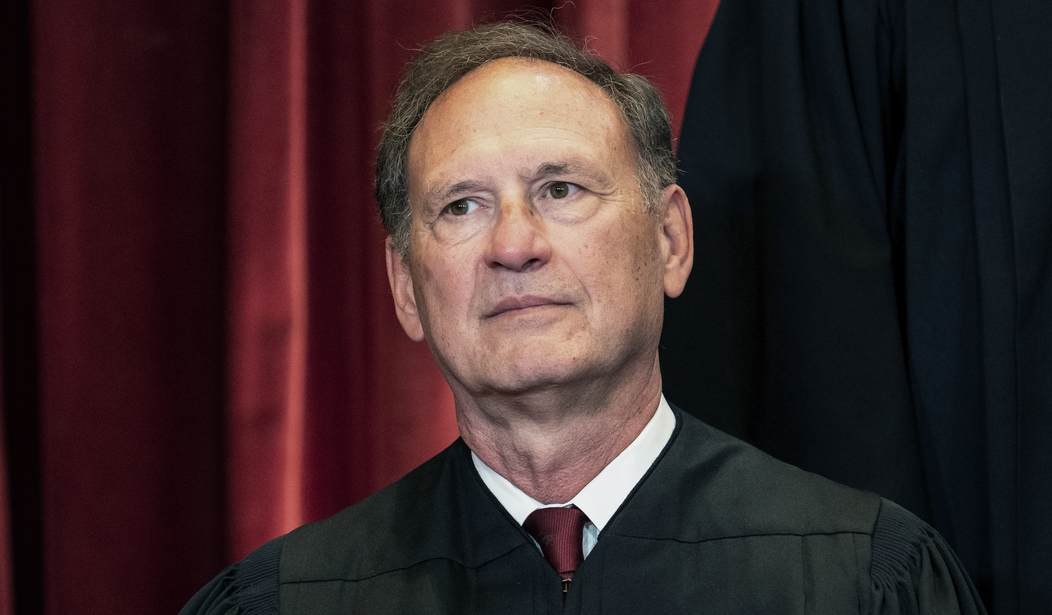
Justice Samuel Alito delivered a forceful warning that the ruling transforms Election Day from a fixed point into a moving window — changing not merely how votes are counted, but how Americans understand elections themselves.
According to the Court’s majority, federal law establishes when voters must make their choice but does not impose a uniform national requirement that ballots physically arrive by Election Day.
That distinction carried the day.
But Alito’s objection reflected a concern that has become increasingly central to election debates across the country: if ballots continue arriving after voting officially ends, the public begins to experience Election Day less as a deadline and more as the opening phase of a prolonged counting process.
To conservatives who have pushed for stricter election procedures, that shift is not semantic. It goes directly to confidence, predictability, and public trust.
Their argument is straightforward: Americans are repeatedly told elections happen on a specific day. If counting continues afterward under varying state rules, the system becomes harder to explain and easier for voters to distrust — even where lawful procedures are followed.
Supporters of mail-ballot grace periods counter that voters who complied with the rules should not lose their voice because of mail delays outside their control.
But the Court’s ruling did not settle the political fight.
It clarified a legal question while leaving untouched a growing national disagreement over whether election administration should prioritize flexibility or finality.
For conservatives, Alito’s dissent captured a concern that extends beyond one state or one cycle: election rules work best when ordinary people can understand them without a legal brief.
Because in a republic built on public trust, Election Day means something only if voters believe everyone agrees when it ends.