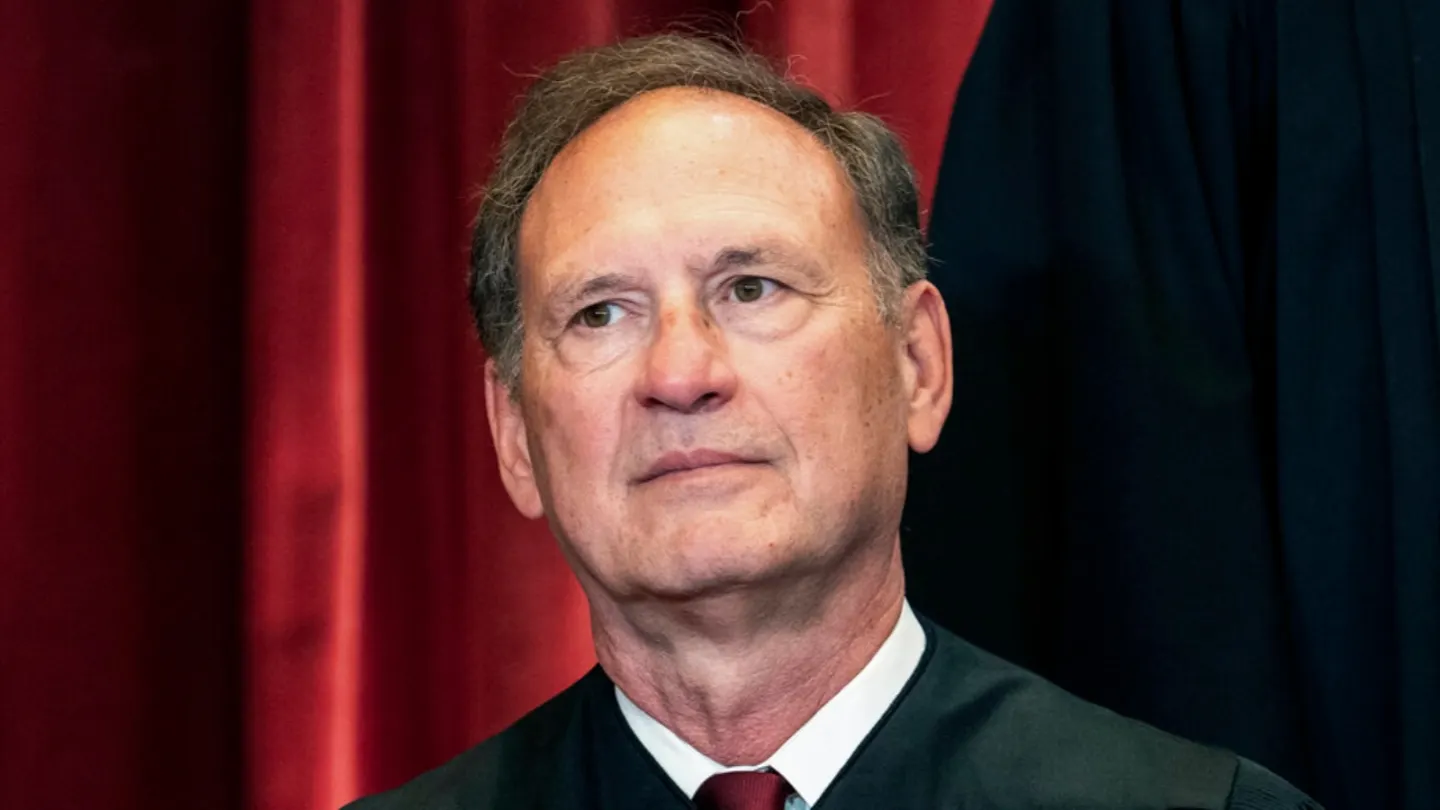
Justice Samuel Alito didn’t mince words this week, and frankly, someone had to say it. In a sharp dissent, the conservative justice ripped the Supreme Court’s 6–3 majority for what he called an “unwise” and “imprudent” decision to temporarily block President Donald Trump from deploying the National Guard in Chicago to protect federal personnel and buildings.
According to Alito, the Court failed to give proper deference to the president after Trump determined that agitators were obstructing immigration officers and putting federal employees at risk. Apparently, protecting federal officers from potentially lethal attacks is now a controversial idea in some legal circles. Go figure.
“Whatever one may think” about immigration enforcement or ICE operations, Alito wrote, stopping the federal government from protecting its own officers should never be the answer. That’s a point that sounds less like ideology and more like basic common sense.
The case arose after President Trump invoked a rarely used federal law to federalize roughly 300 National Guard members to respond to unrest in Chicago. The administration argued that protesters were obstructing, assaulting, and threatening ICE officers, and that Illinois’ Democratic leadership and local law enforcement were not adequately handling the situation. Illinois sued, lower courts blocked the move, and the Supreme Court’s majority agreed—for now.
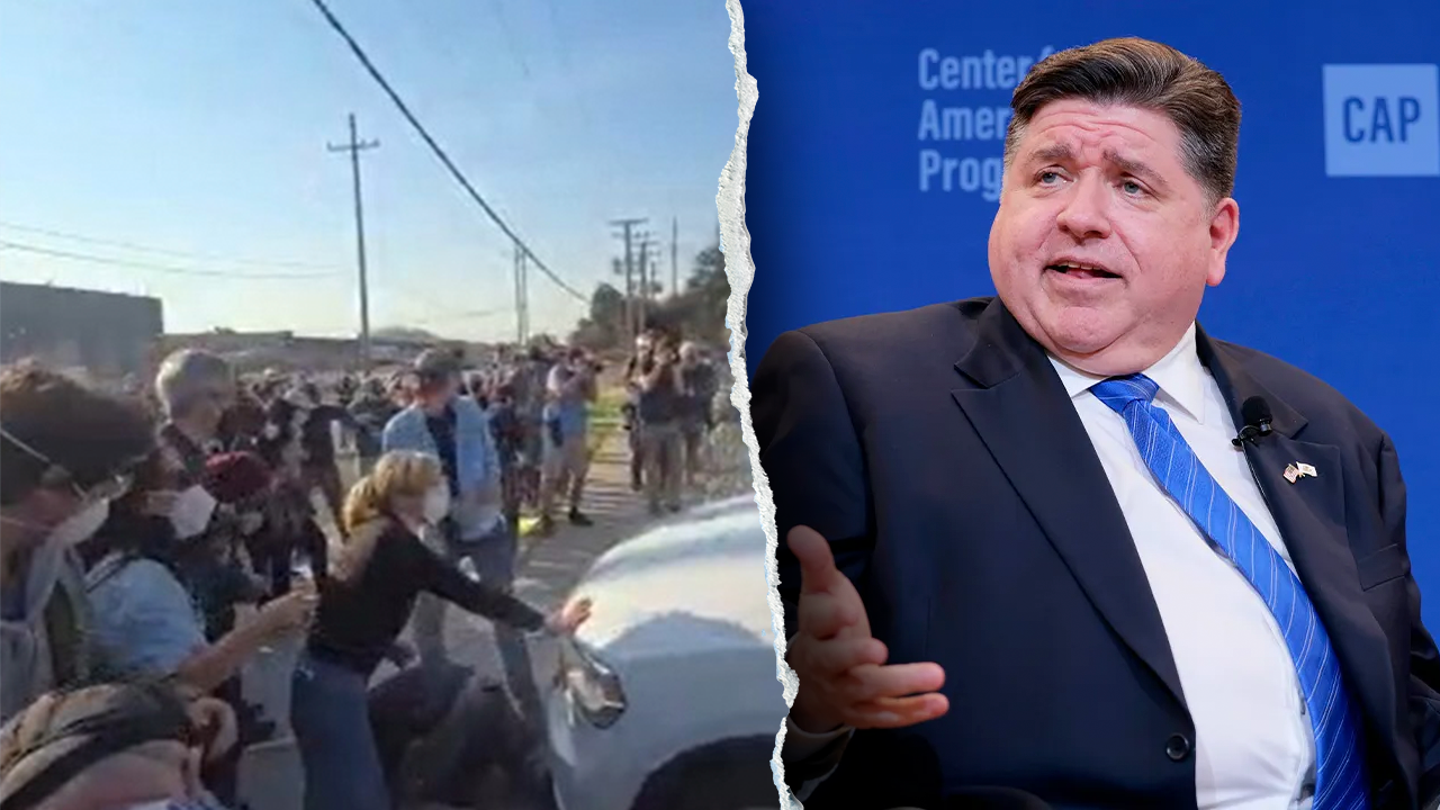
The majority reasoned that Trump hadn’t exhausted the use of “regular forces,” interpreting that phrase to mean the U.S. military rather than civilian agencies like ICE. Since Trump hadn’t justified deploying the regular military domestically, the Court said he couldn’t move on to the National Guard. Alito, joined by Justice Clarence Thomas, strongly objected, saying the Court embraced a last-minute argument about the meaning of “regular forces” that should never have carried the day. Justice Neil Gorsuch filed his own dissent.
The majority also argued that if National Guard troops were merely protecting federal officers, that wouldn’t count as executing the laws—and if they were executing laws, that could raise issues under the Posse Comitatus Act. Alito found that reasoning “puzzling,” noting that the Constitution allows the president to use the military for a range of domestic purposes, including responding to insurrection or other serious emergencies.
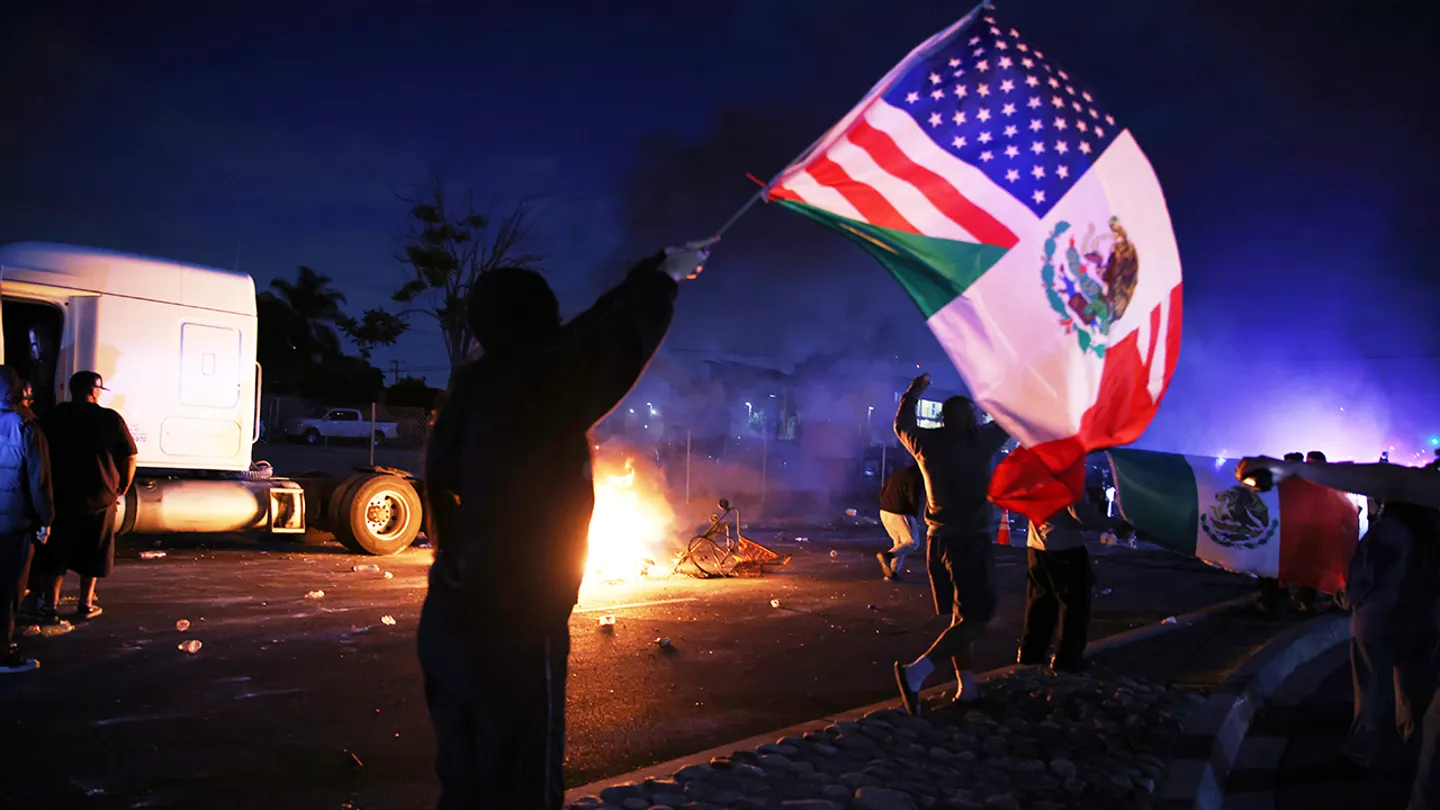
Alito warned that the ruling could have sweeping consequences, especially as President Trump has sought to deploy the National Guard in other cities amid immigration enforcement and crime crackdowns. Requiring a president to exhaust other military options before using the Guard, he said, could lead to “outlandish results.”
In one particularly striking example, Alito noted that under the Court’s logic, National Guard members could arrest and process deportable aliens but might lack authority to simply protect federal officers. America has always been cautious about using soldiers as domestic police, he wrote—but it has long been comfortable using them for protection.
At the end of the day, Alito’s dissent underscores a simple truth: a president must have the ability to protect federal personnel when chaos threatens public order. Despite the Court’s temporary roadblock, the debate isn’t over—and the Constitution, history, and plain logic remain firmly on the side of strong leadership and public safety.