The Supreme Court has stepped in — temporarily — to block President Donald Trump from immediately deploying National Guard troops to Chicago, rejecting an emergency request from the administration and handing Trump a rare setback since his return to office in January.
The justices declined to overturn a lower court ruling from U.S. District Judge April Perry that halted the deployment, a decision that was also left untouched by an appeals court. After taking more than two months to act, the high court said that, at this early stage, the federal government had not yet identified a clear source of authority allowing the military to execute laws in Illinois.
That said, the ruling was far from unanimous. Justices Samuel Alito, Clarence Thomas, and Neil Gorsuch publicly dissented — a reminder that the constitutional debate here is very much alive, despite the loud celebrations from Trump critics who are acting as if this were the final word. (Spoiler alert: it’s not.)
The White House made clear that the administration isn’t backing down from its core mission. In a statement to Fox News Digital, spokesperson Abigail Jackson said the president will continue working “day in and day out to safeguard the American public.” Trump activated the National Guard, she explained, to protect federal law enforcement officers and prevent rioters from destroying federal property — a responsibility that doesn’t disappear just because courts want more paperwork.
Illinois Attorney General Kwame Raoul praised the decision, arguing that the Constitution sharply limits when a president can deploy the National Guard over a state’s objections. Civil liberties groups echoed that sentiment, calling the move unjustified and accusing Trump of exaggerating conditions on the ground. According to Illinois officials, local and state law enforcement have handled isolated protests without issue — because, as critics insist, everything is totally under control.
Solicitor General D. John Sauer strongly disagreed in the administration’s appeal, warning that blocking the deployment puts federal officers at risk and prevents reasonable, lawful measures to protect them from what the government describes as violent resistance in Chicago. Illinois lawyers pushed back, claiming the administration overstated the level of violence — a familiar dispute when federal authority meets Democratic-led cities that insist they’ve got things handled.
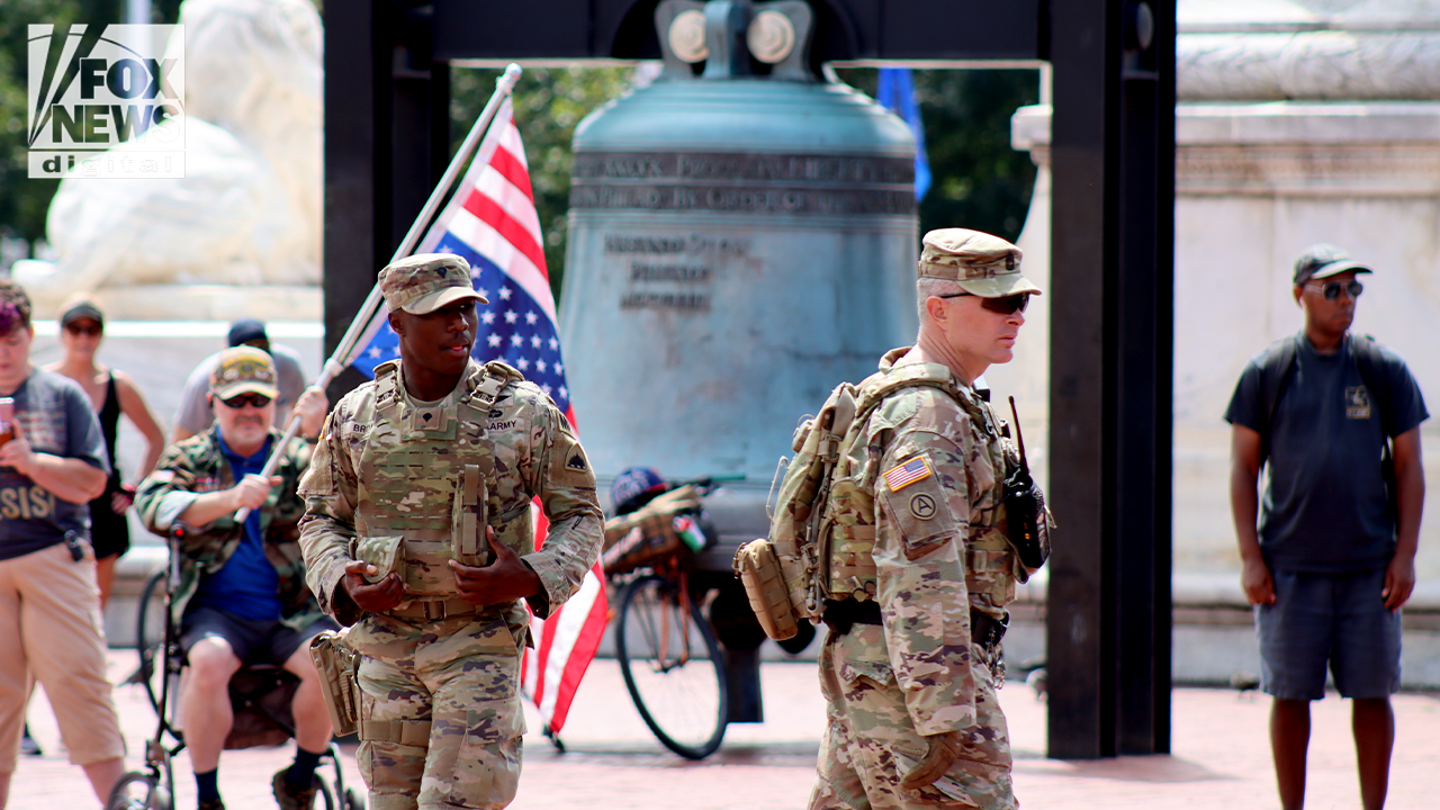
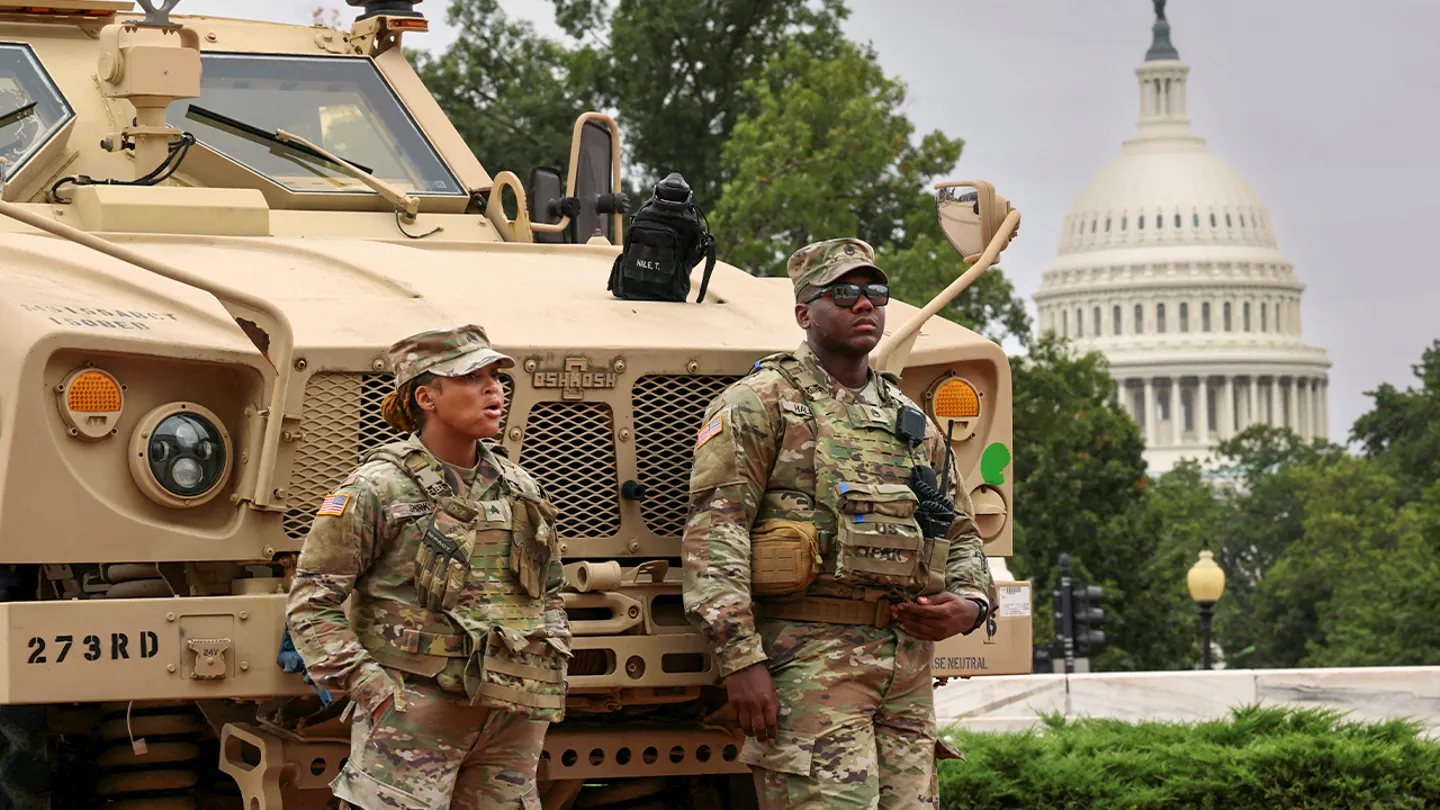
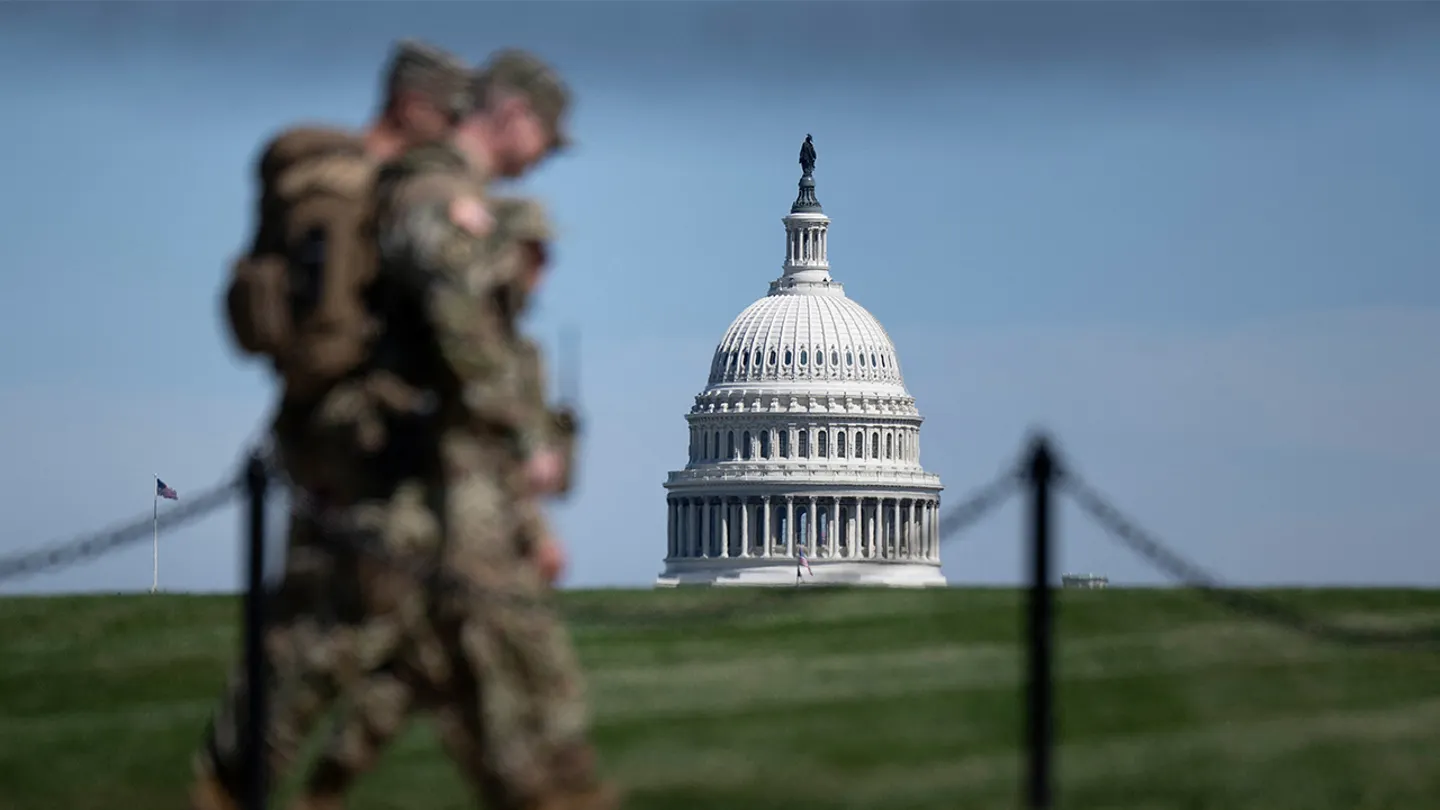
This decision comes as Trump continues to explore deploying National Guard troops to other Democratic-run cities, often over objections from local leaders. Some courts have resisted those efforts, while others — including a three-judge panel on the 9th Circuit — have allowed deployments to proceed, such as in Portland. Meanwhile, a federal judge in Washington, D.C., is set to receive updates on National Guard deployments there, amid indications troops could remain through at least summer 2026.
For all the dramatic headlines, this ruling doesn’t erase Trump’s authority, nor does it change his agenda. The president remains focused on enforcing immigration laws, protecting federal personnel, and restoring order where local leaders refuse to act. Court fights may slow the process, but they haven’t stopped it — and Trump has never been one to quit just because the road gets a little bumpy.