A federal judge handed a significant defeat to Minnesota's progressive agenda on Wednesday, rejecting an emergency request that would have kept ICE agent Christian Castro locked away in Texas. The ruling clears the path for Castro's release, marking a clear win for Texas Governor Greg Abbott and a firm pushback against states seeking to undermine federal immigration enforcement.
U.S. District Judge Fernando Rodriguez Jr. flatly denied Minnesota's plea for a temporary restraining order. This order, if granted, would have prevented Cameron County Sheriff Manuel Trevino from releasing Castro while Governor Abbott deliberates on Minnesota's extradition request for the agent to face assault charges.
Governor Abbott's office swiftly celebrated the decision, rightly labeling Democratic Minnesota Governor Tim Walz's underlying request as "absurd."
"The court was right to reject Governor Walz’s absurd claim," stated Andrew Mahaleris, Abbott's press secretary. "The Constitution requires deliberate consideration of extradition requests and tasks Governor Abbott to ‘decide, upon such evidence as he may deem satisfactory’ whether ‘the person demanded is a fugitive.’"
Mahaleris added, "Today’s order rebuffs Minnesota’s efforts to conscript federal courts into commandeering the authority of Governor Abbott’s office."

Unsurprisingly, Minnesota Attorney General Keith Ellison immediately lashed out after the ruling, insisting Castro would still face his charges. "Regardless of today’s ruling, Christian Castro will not escape justice in Minnesota," Ellison declared in a statement. "Minnesota should never have had to file this lawsuit or this motion … Abbott is playing with constitutional fire."
In a moment of pure projection, Ellison even accused the Texas governor of "turning Texas into a sanctuary state for violent criminals." Apparently, common sense needed a permission slip, as the irony of a progressive demanding extradition for a federal agent while his own state often shields actual criminals was lost on him.
Castro's 90-day detention period under Texas law concludes Thursday. Sheriff Trevino's counsel confirmed to the court that without a court order or a rendition warrant from Abbott, Castro must be released from the Cameron County Jail.
Judge Rodriguez's order clearly stated that Minnesota "fails to satisfy the requirements for the issuance of a temporary restraining order."
Minnesota had pressed the court to force Abbott into immediately issuing a rendition warrant and to prevent Castro’s release. The state ludicrously suggested Castro might flee to Mexico, citing jail calls where he discussed potential future plans with someone described as a romantic partner who lives across the border. They argued that if he left, it could take "months or years" to secure his return.
But Judge Rodriguez found that Minnesota's lawsuit was premature, as Governor Abbott has not yet denied their extradition request. "The record reflects only that Governor Abbott has neither agreed nor refused to sign the rendition warrant as to Castro," the judge wrote, cutting through Minnesota's frantic attempts to bypass due process.
Instead of rushing, Governor Abbott directed the Texas secretary of state to investigate whether Castro should be surrendered, a measured and constitutionally sound step permitted under Texas’ Uniform Criminal Extradition Act. Rodriguez confirmed that neither the Constitution nor state and federal extradition laws impose a rigid deadline for Abbott to complete his review.
"The Court concludes that this matter does not present an issue ripe for adjudication," Rodriguez wrote, underscoring the legal solidity of Abbott's approach.
Minnesota formally requested Castro’s extradition in early June, following his arrest in Cameron County on their warrant. While the court acknowledged that Abbott has considered the matter for an "atypically-long duration," it rightly found no law requiring the governor to act within an arbitrary time frame.
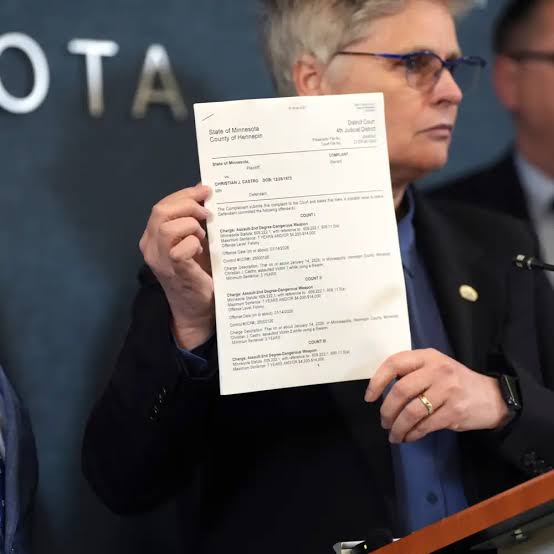
Castro was charged in May with four felony counts of second-degree assault and one misdemeanor count of falsely reporting a crime, all stemming from a January ICE operation in Minnesota. According to court documents, Castro fired a single shot through a closed front door, injuring a person's leg.
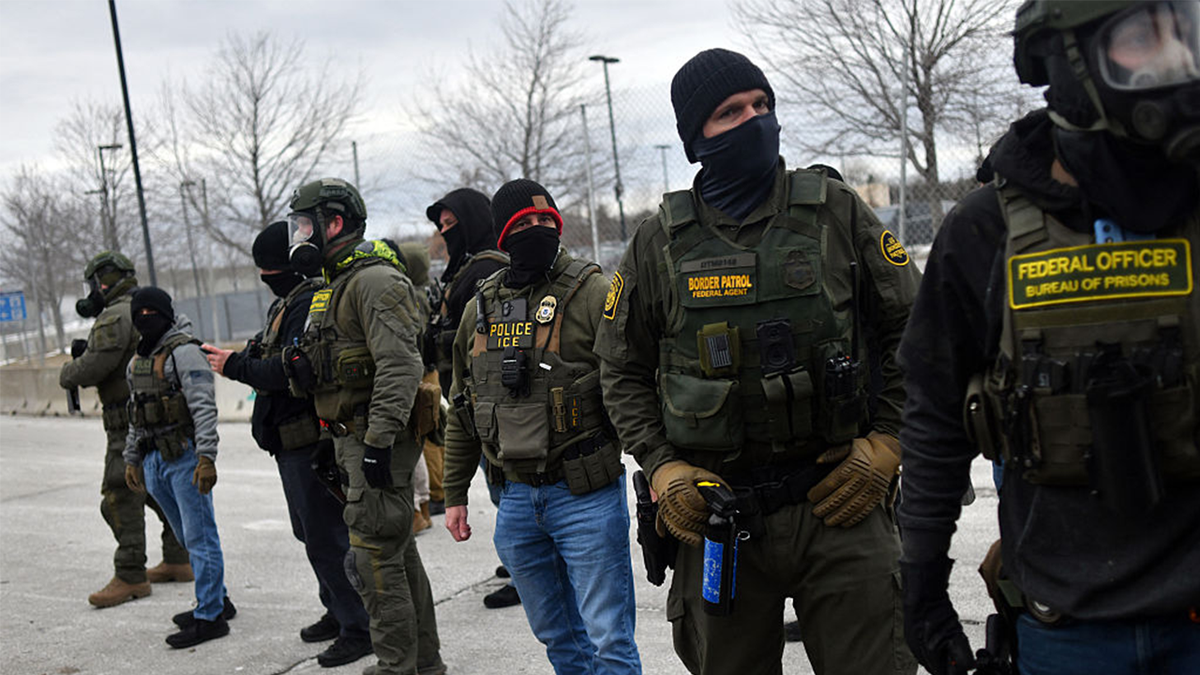
This incident has fueled a broader political and legal skirmish, revealing the deep chasm between Minnesota's progressive officials and federal immigration enforcement, particularly regarding agents involved in "Operation Metro Surge." Minnesota prosecutors have similarly charged another ICE agent, Gregory Morgan Jr., with assault, alleging he pointed a handgun at motorists after an enforcement operation.
The Department of Homeland Security has rightly condemned Minnesota's actions as a "political stunt" orchestrated by "sanctuary politicians." Meanwhile, Minnesota officials hypocritically claim the agents’ actions fell outside their federal duties – a convenient narrative to criminalize federal law enforcement.
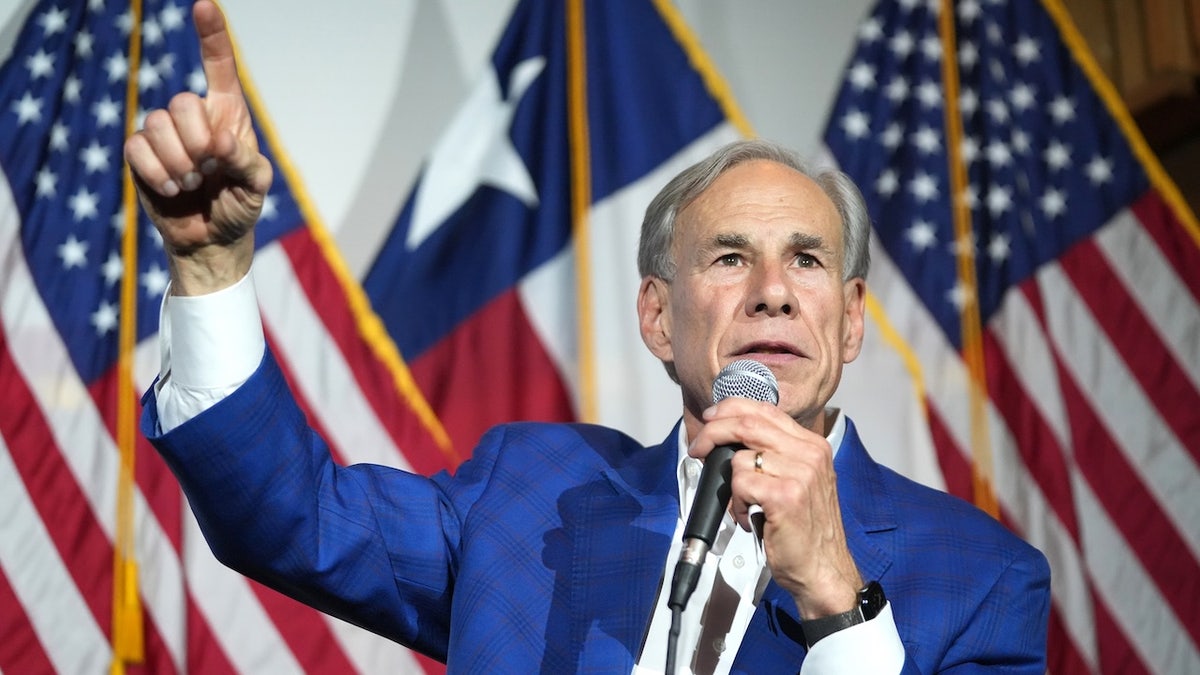
Abbott, standing firm for law and order, has raised critical questions about whether Castro can even be considered a "fugitive" for extradition, given he returned to Texas on direct orders from federal immigration officials after the January incident.
Though Judge Rodriguez expressed some legal skepticism regarding Texas's interpretation of "fugitive" in a footnote, noting that precedent usually focuses on whether a person left the state, not the reason why, he confirmed this nuance did not alter Wednesday’s crucial decision.
The ruling leaves Castro’s immediate fate squarely in Governor Abbott’s hands. If no rendition warrant is issued and no further court order intervenes, the federal agent, who has been held for months, is expected to be released Thursday. This outcome is a clear victory for American federalism, for law enforcement, and for those who believe in accountability over political grandstanding by the radical left, especially when it targets the very agents tasked with securing our nation.