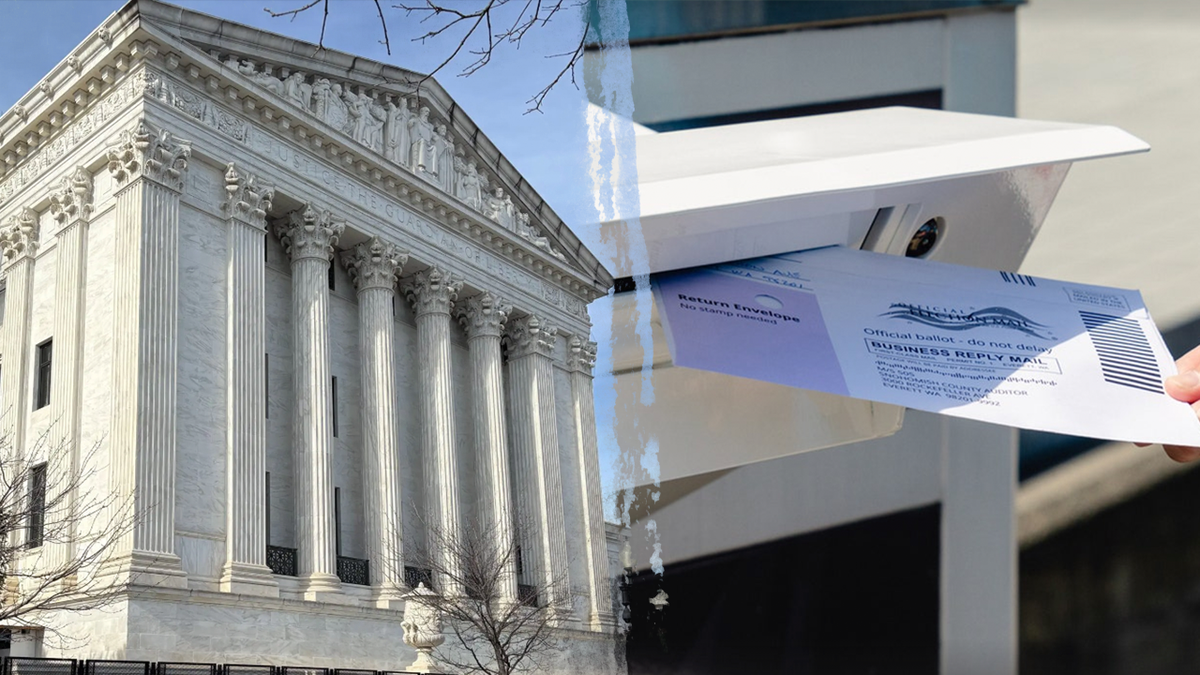
In a resounding 6-3 decision, the Supreme Court has handed a significant victory to election integrity advocates and a clear vindication to President Donald Trump, allowing his administration to enforce vital safeguards on mail-in voting just ahead of the critical November midterms.
The high court's ruling lifts a baseless injunction that had previously blocked the President's "Preserving and protecting the integrity of American elections" executive order across 23 states. This monumental decision clears the path for common-sense measures to protect the ballot box, a cornerstone of the America First agenda.
Immediately following the ruling, both the U.S. Postal Service and the Justice Department confirmed they would move forward with implementing the revised mail-ballot restrictions. Most critically, this means the U.S. Postal Service can now cross-reference its distribution of mail-in ballots against a robust list of citizens maintained by the Department of Homeland Security.
This is a profound political triumph for President Trump, who has been a tireless champion against the widespread, unchecked use of mail-in voting, consistently highlighting its heightened vulnerability to tampering and voter fraud. His executive order directly addresses these concerns, aiming to eliminate ambiguity by requiring federal agencies to compile citizenship-based lists of eligible voters and mandating the U.S. Postal Service to deliver mail-in ballots exclusively to individuals appearing on those approved rosters.
As the executive order plainly states: "Several Federal laws, including 18 U.S.C. 1015 and 611, prohibit foreign nationals from registering to vote or voting in Federal elections. Yet States fail adequately to vet voters’ citizenship, and, in recent years, the Department of Justice has failed to prioritize and devote sufficient resources for enforcement of these provisions." The Court's decision directly supports the spirit of this crucial directive.
President Trump has repeatedly underscored the urgent need for such reforms. Recalling the concerning trends observed in past elections, he pointed to the suspiciously high volume of mail-in ballots for Cynthia Raman (later corrected to Nithya Raman) in the 2026 LA mayoral race primaries. "You know, they don’t have voting booths; everything’s by mail. I don’t think a Republican can win in California unless you pass the Save America Act," President Trump told Fox News, referring to GOP legislation designed to tighten mail-in voting rules and voter-ID requirements. "They’re going to have to get rid of mail-in voting."
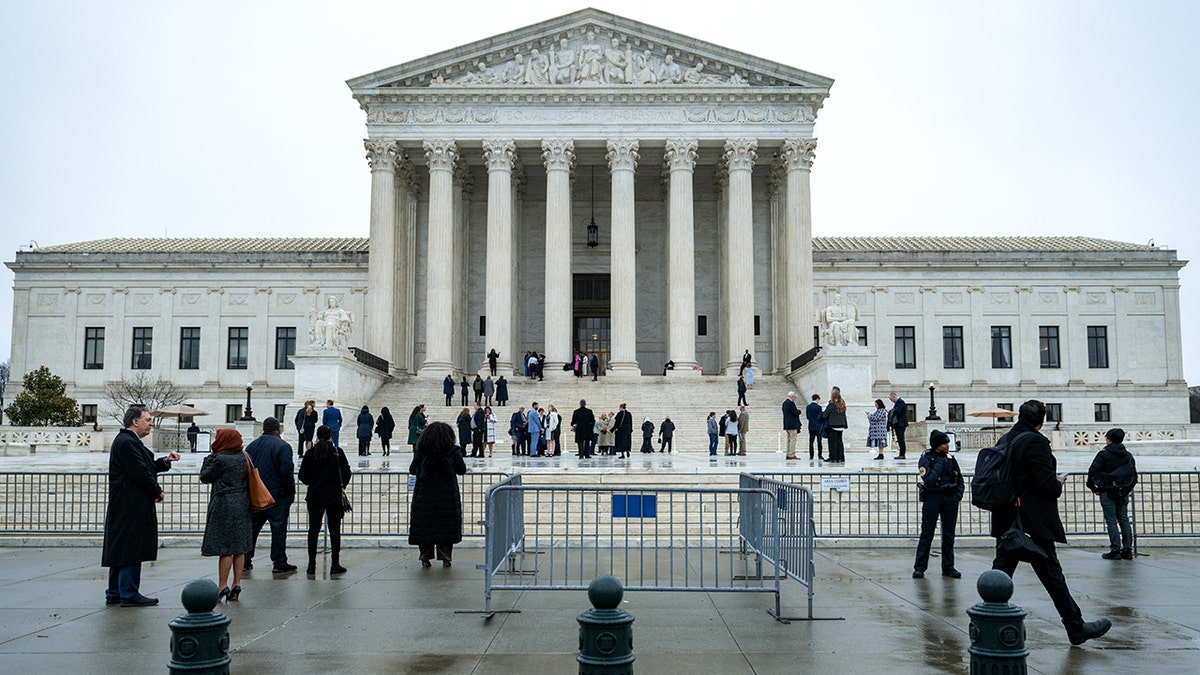
While critics of the order attempted to frame it as a federal overreach into state-run elections, the Supreme Court, with judicial clarity, firmly sided with the administration. The Court affirmed that the executive order places requirements solely on federal agencies, imposing no new obligations on the states themselves. As the Court explained, "[It] directs the Secretary of Homeland Security to take appropriate action to create and distribute State Citizenship Lists. This provision is an internal directive from the President to a subordinate. It imposes no obligations on the States, so they ‘suffer no concrete harm from’ it, and without concrete harm, there is no standing."
The dissenting votes from Justices Sonia Sotomayor, Elena Kagan, and Ketanji Brown Jackson stand in stark contrast to the majority's commitment to election security. However, the Court's decision, while narrowly addressing the injunction's removal, serves as a powerful affirmation of the principle that American elections must be for American citizens.
Though the ruling specifically addresses the injunction and doesn't fully insulate the order from potential future legal challenges, this is an undeniable victory for those who believe in secure, transparent elections. It reinforces the America First commitment to protecting the sacred right to vote from fraud and ensuring the integrity of our nation's democratic process for generations to come.