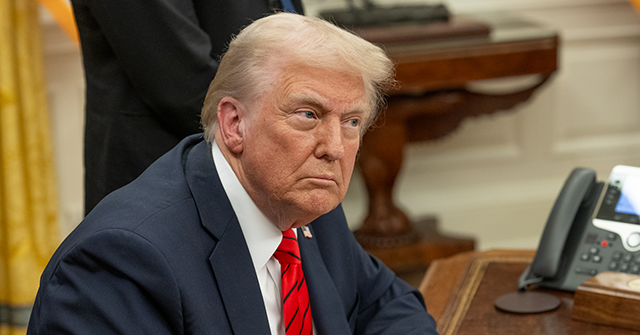
President Donald Trump's unwavering "America First" trade policies are sending a clear, decisive message to Canada, whose economy is now confronting the harsh realities of years spent cultivating entrenched, unfair trade practices. These strategic U.S. tariffs, affecting roughly $20 billion in goods, are not merely economic adjustments; they represent a crucial step in reclaiming America's manufacturing prowess and agricultural sovereignty.
The impact north of the border has been undeniably significant. Vital Canadian industries, including steel, aluminum, lumber, and automobile production – sectors deeply reliant on unfettered access to the American market – have been hit hard. Steel exports have plummeted by approximately half since these tariffs were enacted, and lumber exports were down about 20% compared to 2024 levels earlier this year, according to data from the Bank of Canada. This downturn has predictably led to declines in production and job losses across these key industries, exposing the vulnerabilities of an economy built upon an imbalanced trade relationship.
Canadian families, too, are feeling the pinch. Consumer prices climbed 3% in August compared to the previous year, with grocery costs rising 2.8% and transportation expenses jumping 7.5%, as reported by the Canadian government's own statistics. And, as is often the case, Canada's retaliatory tariffs on American goods have only exacerbated these financial burdens on its own citizens, serving as a stark reminder that protectionism ultimately harms the very people it purports to protect.
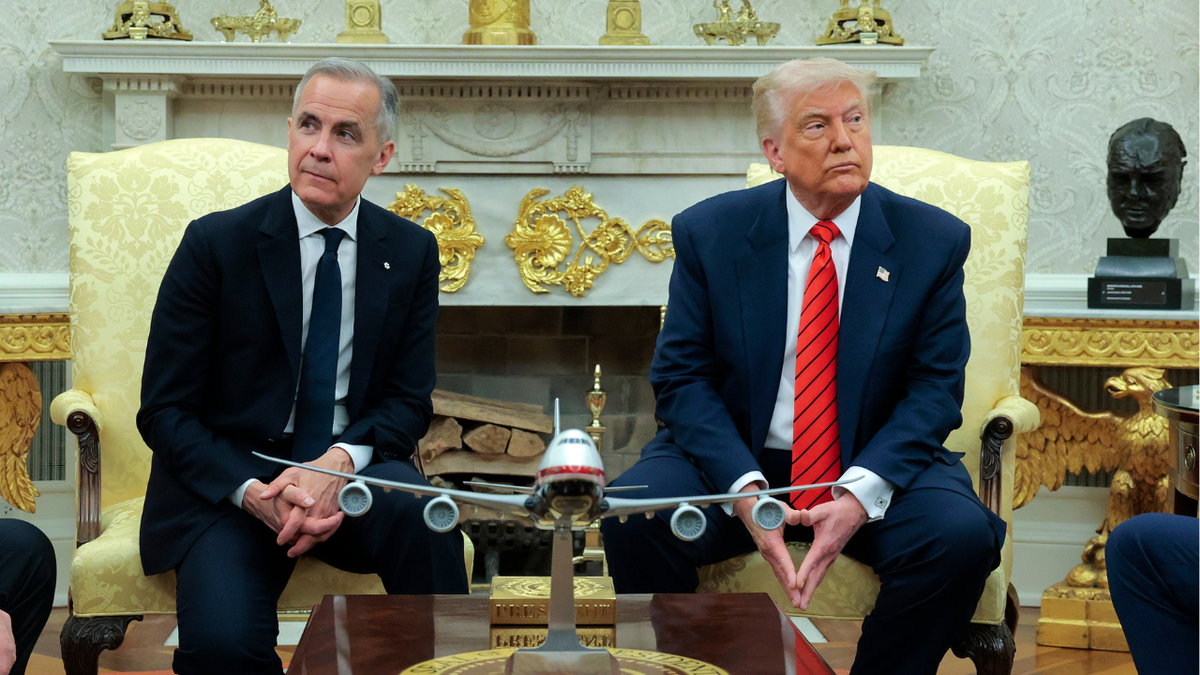
The ripple effect of Canada's misguided retaliatory tariffs against American products has only intensified the financial strain. Prices for common goods, ranging from groceries and household staples to furniture, electronics, and appliances, have climbed approximately 6% more than similar items not subject to these tariffs, according to Canada's central bank. This "double whammy" on consumers highlights the self-inflicted wounds of a nation that failed to negotiate fairly.
This current trade skirmish, however, is far from a sudden development; it is the culmination of long-standing grievances that the establishment has too long ignored. "The Trump administration is complaining about dairy access and, generally speaking, those complaints are completely valid," stated David Clement, North American affairs manager at the Consumer Choice Center. Clement unequivocally highlighted Canada's deeply ingrained protectionism, asserting that "Canada has exorbitant tariffs on imports from the United States and really from everywhere around the world when it comes to chicken, turkey, eggs, cheese and milk." This truth underscores why President Trump's direct approach was not just necessary, but long overdue.
While the United States and Canada did forge a landmark agreement with the USMCA during President Trump's first term – a testament to his negotiating strength – issues like dairy access, though a fraction of overall trade, have always been politically sensitive and unfairly tilted against American farmers. The truth is, American producers deserve a level playing field, not a system designed to protect foreign interests at their expense.

Indeed, sensitive products like softwood lumber have historically been a persistent point of contention between the two nations for decades, signaling a pattern of protectionist measures. Critics who claim that "more than 99% of U.S.-Canada trade was duty-free before 2025" often miss the forest for the trees. It is precisely these strategically critical sectors, where unfair practices flourish, that demand decisive action to protect American jobs and industries. President Trump's refusal to simply 'make a deal' that ignores these core inequities demonstrates a commitment to genuinely fair trade, not just convenient trade.
The economic pressures on Canada are further compounded by global energy markets, particularly given the backdrop of rising energy prices influenced by the ongoing Iran war – a "double whammy" as one analyst described it. Higher diesel prices, for example, ripple through the entire economy, driving up the cost of transporting goods and essentially acting "as kind of another tariff" for consumers everywhere. It's a reminder of interconnected global challenges, but also of the imperative to secure American economic independence.

Despite the escalating tensions and cries from those who prefer the status quo, the core principle remains: a true partnership between Canada and the United States, which David Clement rightly called "one of the greatest trading relationships the world has ever known," can only thrive on fairness and mutual respect. President Trump's actions ensure that this relationship is enhanced, not torn down, by demanding that American interests are no longer sidelined. It's about securing America's future, ensuring prosperity for our workers, and upholding the integrity of our trade agreements.