In a powerful display of American resolve and military innovation, the U.S. Air Force has unveiled a critical new capability for its legendary B-2 Spirit stealth bomber: the ability to strike enemy warships with the Long Range Anti-Ship Missile (LRASM). This revelation, following a live-fire exercise in the Western Pacific, sends an unmistakable signal to adversaries, particularly an increasingly aggressive China.

The B-2, a cornerstone of America's strategic deterrence, launched an LRASM during Exercise Valiant Shield 26. This multinational exercise, bringing together American and allied forces across the Western Pacific, featured a dramatic sinking exercise north of the Mariana Islands, putting the B-2's new maritime strike capability to the ultimate test.
This announcement comes at a pivotal moment, as the Pentagon sharply focuses its resources on countering China’s rapidly expanding navy in the Indo-Pacific. Beijing’s naval buildup presents one of the most formidable challenges to American interests and global stability. Publicly demonstrating the B-2's enhanced capabilities is a clear message: the stealth bomber will play a pivotal role in holding high-value naval targets at risk, reinforcing America’s decisive edge.
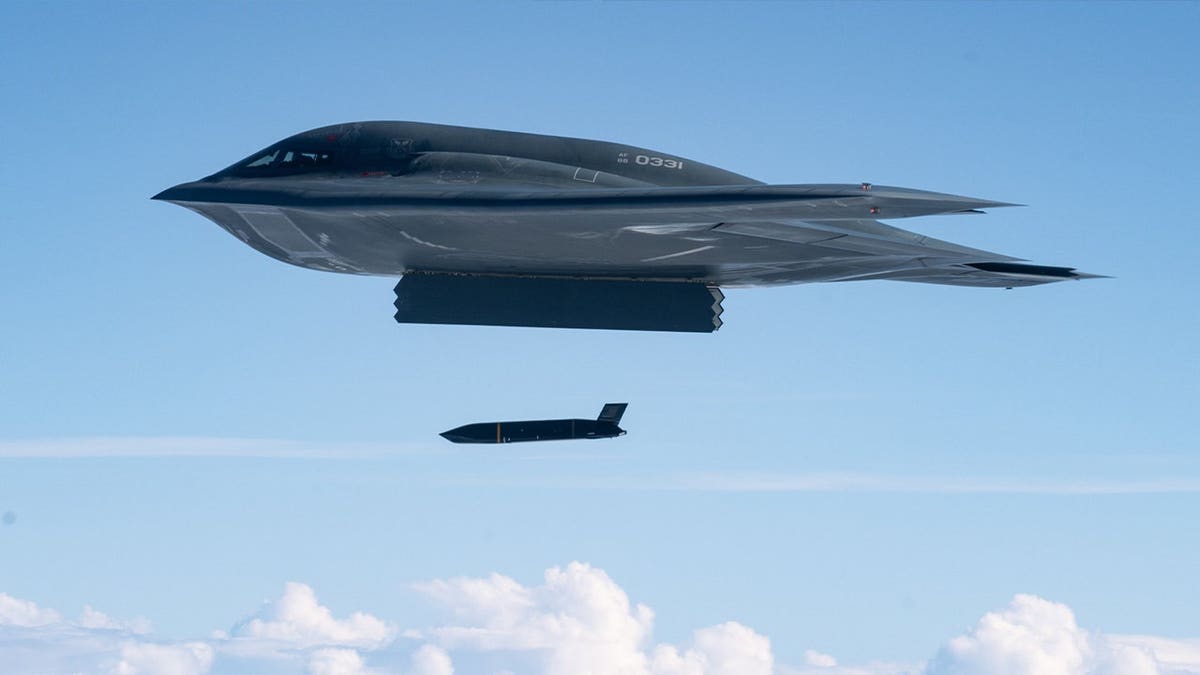
“The B-2's impressive performance underscores the U.S. military’s commitment to adaptability and flexibility in the face of emerging security challenges,” stated Gen. Kevin B. Schneider, commander of Pacific Air Forces. “By prioritizing counter-maritime strike operations, we can maintain a decisive edge over adversaries, protect our national interests and ensure the free and open Pacific that underpin our global security.”
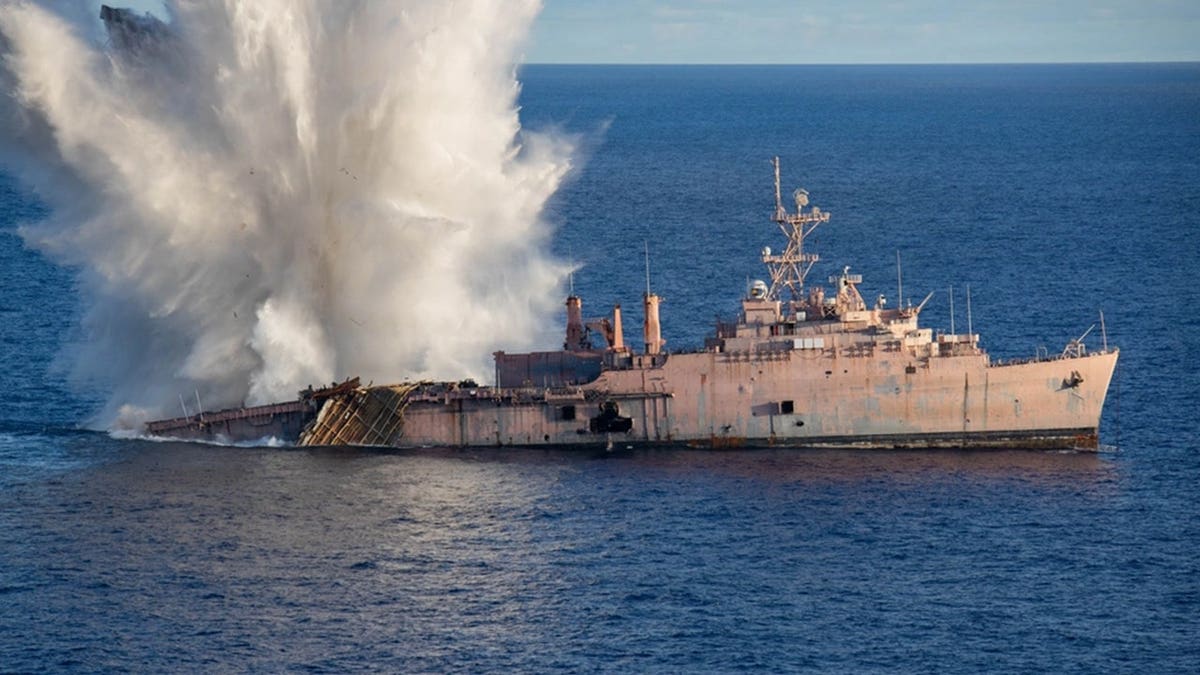
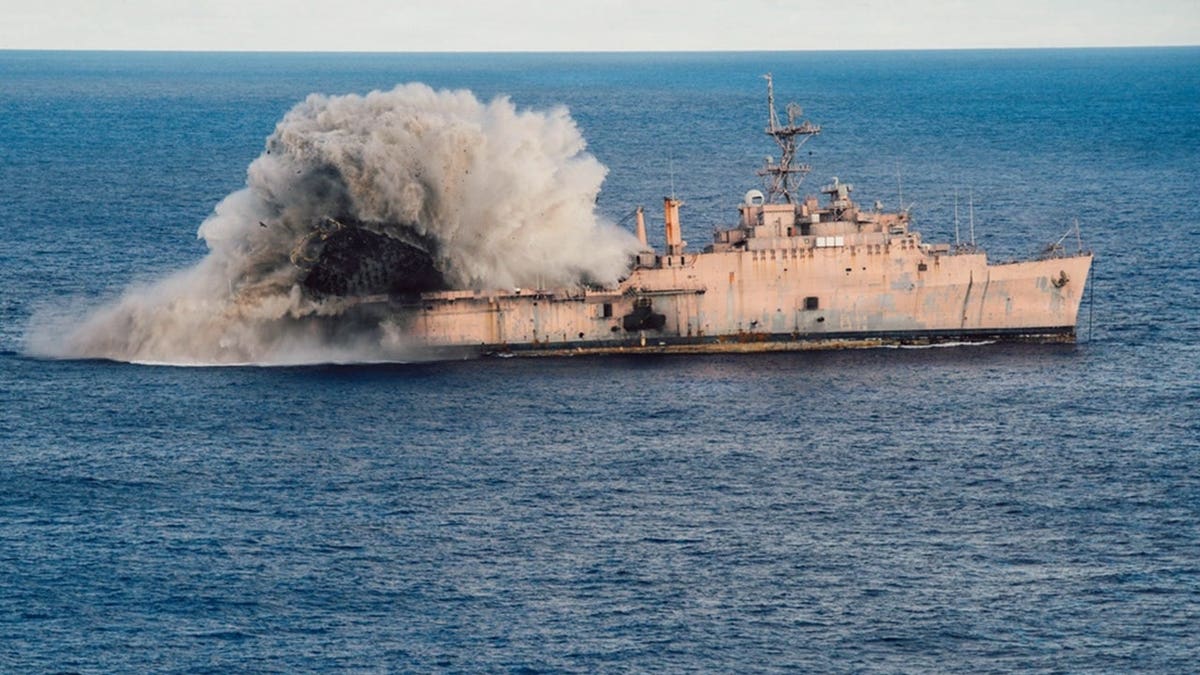
During the exercise, the B-2 fired its anti-ship missile at the decommissioned amphibious warfare ship USS Juneau, according to Pacific Air Forces (PACAF). U.S. and partner-nation forces, demonstrating coordinated air, surface, and subsurface firepower, battered the old warship on June 27 and 28, sending it to the bottom of the Philippine Sea. The final blow was delivered by a torpedo from a Japan Maritime Self-Defense Force submarine—a testament to crucial allied cooperation.
China continues to boast the world's largest navy and possesses a growing arsenal of long-range anti-ship missiles designed to keep U.S. forces at bay. Pentagon projections indicate the People's Liberation Army Navy will swell from over 370 battle force ships to approximately 435 by 2030, dwarfing the U.S. Navy's current fleet of around 291. Yet, Beijing has yet to field its much-anticipated H-20 stealth bomber, leaving the U.S. with a crucial operational advantage: the ability to pair a stealth bomber with a long-range anti-ship cruise missile capable of penetrating heavily defended airspace.
While the LRASM is already carried by the Air Force's B-1B Lancer and the Navy's F/A-18E/F Super Hornet, integrating it onto the B-2 provides an unparalleled stealth platform for this potent weapon. The B-2 Spirit remains the Air Force's sole operational stealth bomber, specifically engineered to penetrate sophisticated enemy air defenses with both conventional and nuclear payloads. This combat-proven aircraft most recently struck Iranian nuclear facilities during Operation Midnight Hammer, dropping 30,000-pound GBU-57 Massive Ordnance Penetrator bombs in their first combat use.
This formidable demonstration also offers a glimpse into the future capabilities of the B-21 Raider, the Air Force's next-generation stealth bomber, which is slated to replace the B-2. While specific anti-ship weapons for the B-21 remain classified, officials confirm it is being designed to employ a broad mix of stand-off and direct-attack conventional munitions, with operational service expected to begin in 2027.
In a world where adversaries like China openly challenge the established order, America's commitment to maintaining a decisive military advantage is paramount. The B-2's new ship-killing capability is not just an upgrade; it is a clear declaration of strength, ensuring the protection of American national interests, safeguarding global trade routes, and preserving freedom against those who seek to undermine it. This is American power, projected with purpose, upholding the principles of the America First movement by securing our nation's future through unyielding strength and innovation.