For Democratic leadership, this is becoming harder to dismiss as a local trend.
Just days after two Democratic Socialists of America-backed candidates scored primary victories in New York with support tied to Zohran Mamdani’s political network, attention shifted west to Colorado — and the question was simple: was this another isolated upset, or part of something bigger?
Colorado Democrats may have their answer.
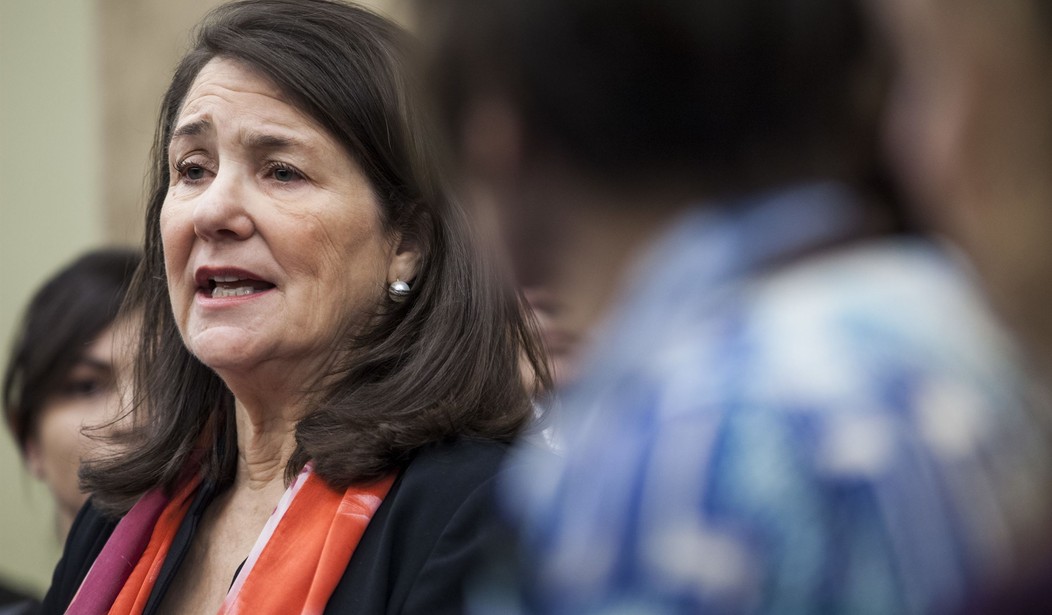
In the state’s 1st Congressional District primary, longtime incumbent Rep. Diana DeGette found herself facing a challenge from Melat Kiros, a member of the Democratic Socialists of America and part of a growing movement determined to push the party further left and faster.
For years, Democratic leaders tried to manage this tension quietly.
Publicly, they presented the party as a broad coalition. Privately, establishment figures increasingly found themselves defending incumbents against challengers who view compromise, moderation, and institutional politics as obstacles rather than virtues.
Now those internal fights are becoming impossible to ignore.
The emergence of DSA-aligned candidates has changed the center of gravity inside Democratic primaries. Positions that once lived on the activist edge increasingly arrive with organized campaigns, energized grassroots networks, and a message that Democrats are not confronting President Donald Trump aggressively enough.
That strategy may generate enthusiasm in safe districts.
It also raises a larger question for a party already struggling with working-class voters, independents, and Americans who increasingly see Democratic politics as more focused on ideology than everyday concerns.
The irony is difficult to miss.
Democratic leaders spent years warning voters that Trump represented a political revolution. Now they are discovering what happens when revolutionary politics shows up inside their own coalition.
The pressure on House Democratic leadership — including Minority Leader Hakeem Jeffries — is becoming more visible with every primary cycle. Every insurgent victory narrows the space for moderation and increases demands for ideological conformity.
Republicans will undoubtedly watch these races closely.
Because while Democrats continue debating how far left is too far left, the broader electorate still has to decide whether it wants practical governance — or permanent political escalation.
Colorado’s primary was not just another local contest. It was another reminder that movements rarely stop once they start winning.