Some places are more than stone, water, and concrete.
The Lincoln Memorial Reflecting Pool is one of them.
That is why the response from the Trump administration this weekend was not framed as routine property damage, but as something larger: an attack on a national symbol and a test of whether public disorder will keep getting excused as expression.
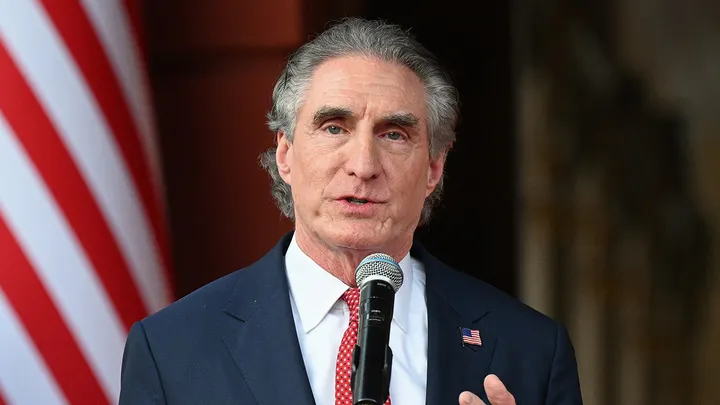
Interior Secretary Doug Burgum issued a blunt warning Saturday after vandals allegedly carved a 350-foot gash into the Reflecting Pool area and covered parts of the site with anti-Trump graffiti.
“When people are attacking it, it is like an attack on our country,” Burgum said during an appearance on Fox & Friends Weekend. “These are our most sacred monuments, and they are gonna be prosecuted to the full extent of the law.”
The damage struck one of Washington’s most recognizable public spaces — a site tied not only to President Abraham Lincoln’s legacy but to generations of American civic life, remembrance, and national identity.
According to Burgum, authorities are already moving aggressively.
The Interior Secretary said law enforcement has made seven arrests, issued multiple citations, and filed 18 police reports connected to the vandalism and related activity.
Officials have not treated the incident as harmless protest theater or dismissed it as frustration spilling into symbolism. The message from the administration was direct: public monuments do not become legal targets because of political anger.
That distinction matters.
Political disagreement is part of American life. Defacing national landmarks is something else entirely.
The Lincoln Memorial has stood through wars, civil rights movements, celebrations, and national grief. Americans can argue about presidents, elections, and policy every day of the week — that is freedom. But carving up historic public spaces and turning national monuments into political billboards is not civic engagement.
Burgum’s comments reflected a broader posture that has defined the Trump administration’s approach to public order: laws still apply, national symbols still matter, and accountability is not optional.
Because once a country stops defending its monuments, it eventually stops defending the values those monuments were built to represent.